

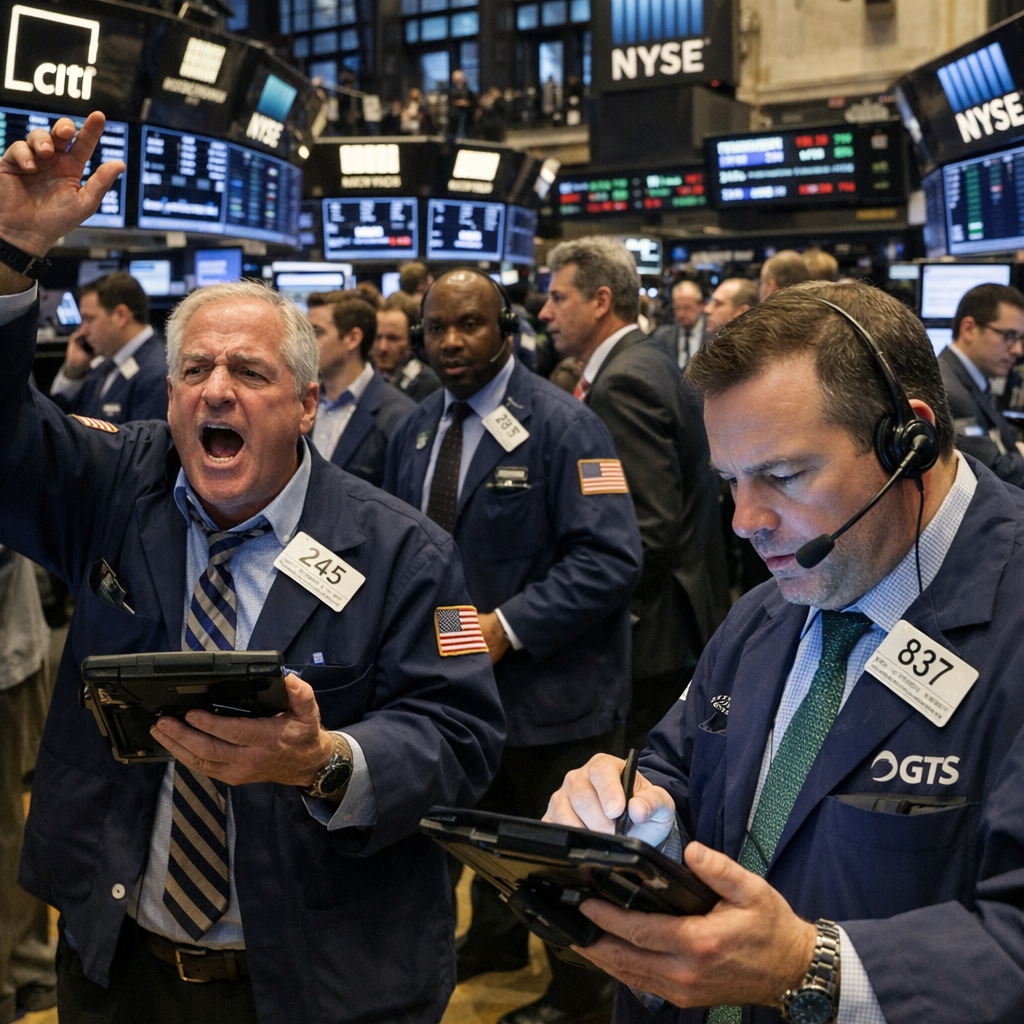
The United States economy, a complex and dynamic system, is influenced by various factors including consumer behavior, business investments, government policies, and global events. Understanding its current state requires examining key economic indicators and recent trends.
Gross Domestic Product (GDP) Growth
In the first quarter of 2026, the U.S. economy experienced a 2% annualized growth rate, rebounding from a sluggish 0.5% in the previous quarter. This growth was bolstered by increased federal spending and a surge in investments within the artificial intelligence sector. However, the ongoing conflict in Iran has introduced uncertainties, particularly affecting energy prices and inflation rates.
Employment Trends
April 2026 saw the addition of 115,000 jobs to the U.S. economy, surpassing economists’ expectations. The unemployment rate remained steady at 4.3%. Notably, the healthcare sector led job creation with 37,000 new positions, reflecting its consistent growth trajectory. This resilience in employment underscores the labor market’s stability amidst global challenges.
Sectoral Contributions
Consumer spending and business investments have been pivotal in driving economic growth. Personal consumption expenditures significantly contributed to the GDP increase, while business investments, particularly in technology and AI, have shown robust growth. Conversely, residential investment has declined for the fifth consecutive quarter, indicating challenges in the housing market.
Inflation and Energy Prices
Inflation surged in March 2026, primarily due to an energy shock stemming from the conflict in Iran, which has disrupted oil supplies and escalated energy costs. This development has raised concerns among Federal Reserve officials, as rising inflation can impact consumer purchasing power and overall economic stability.
Conclusion
The U.S. economy demonstrates resilience through steady GDP growth and employment rates. However, external factors like geopolitical tensions and energy price fluctuations pose challenges. Continuous monitoring of these indicators is essential for understanding the economy’s trajectory and making informed decisions.