
As the United States grapples with rising inflation and evolving political dynamics, understanding the broader economic landscape becomes crucial for communities like ours in Minneapolis.
Inflation and Its Impacts
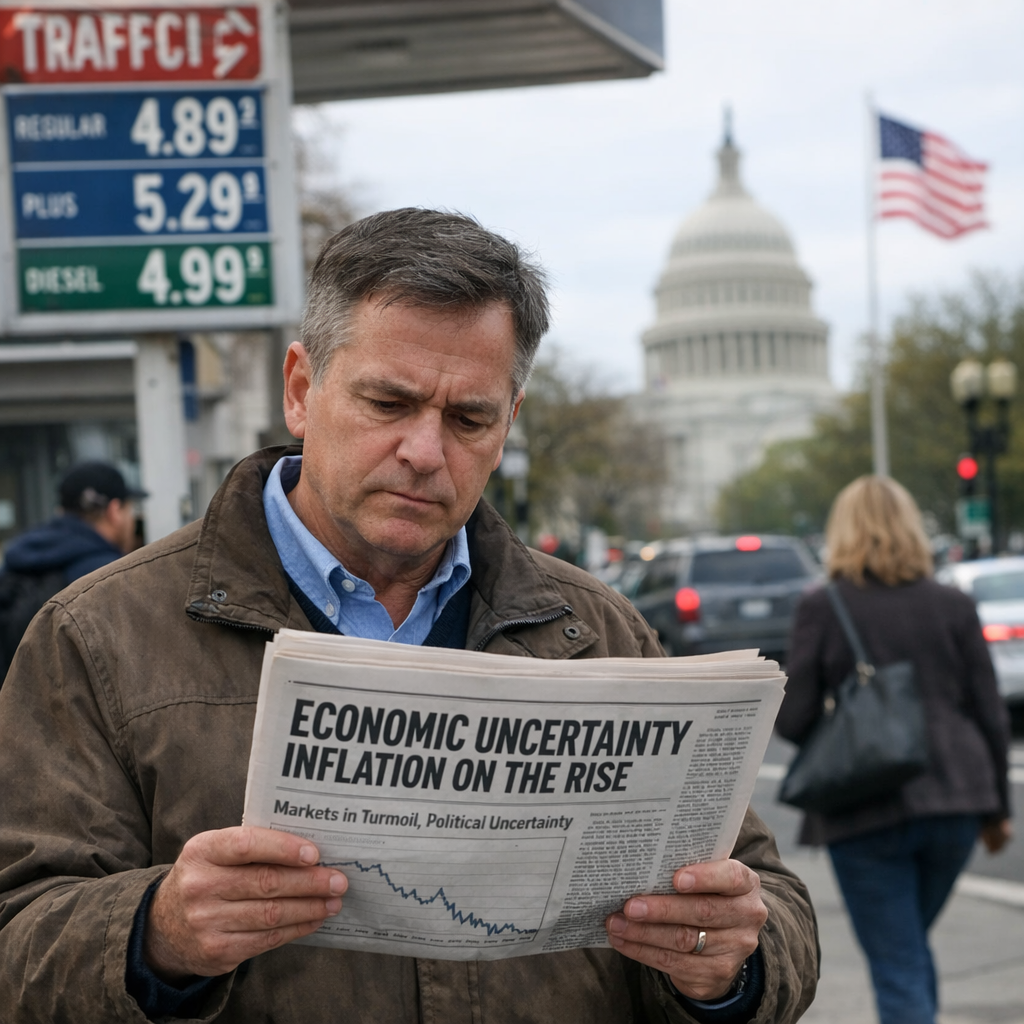
Recent reports indicate that inflation surged to 3.8% in April, driven in part by the ongoing conflict in Iran, which has pushed national average gas prices above $4.50 per gallon. This escalation affects not only transportation costs but also the prices of goods and services, placing a strain on household budgets.
Wage Growth and Consumer Confidence
For the first time in three years, wage growth has fallen behind inflation, diminishing purchasing power for many Americans. This trend has led to increased reliance on credit and a significant drop in consumer sentiment, reaching record lows. Small business optimism has also declined, reflecting concerns about future economic conditions.
Political Landscape and Economic Policies
In response to these challenges, the current administration emphasizes tax cuts, deregulation, and energy independence as strategies to stabilize the economy. However, public approval of economic management has declined, with recent polls showing a 70% disapproval rating. This sentiment could influence upcoming elections, as economic performance often plays a pivotal role in voter decisions.
Local Considerations
For Minneapolis residents, these national trends have tangible effects. Higher fuel costs can impact commuting expenses, while inflation may affect the affordability of goods and services. Staying informed about economic policies and their local implications is essential for navigating these uncertain times.
As we continue to monitor these developments, it’s important to engage in community discussions and support local initiatives aimed at mitigating economic challenges. By staying proactive and informed, we can better adapt to the evolving economic landscape.