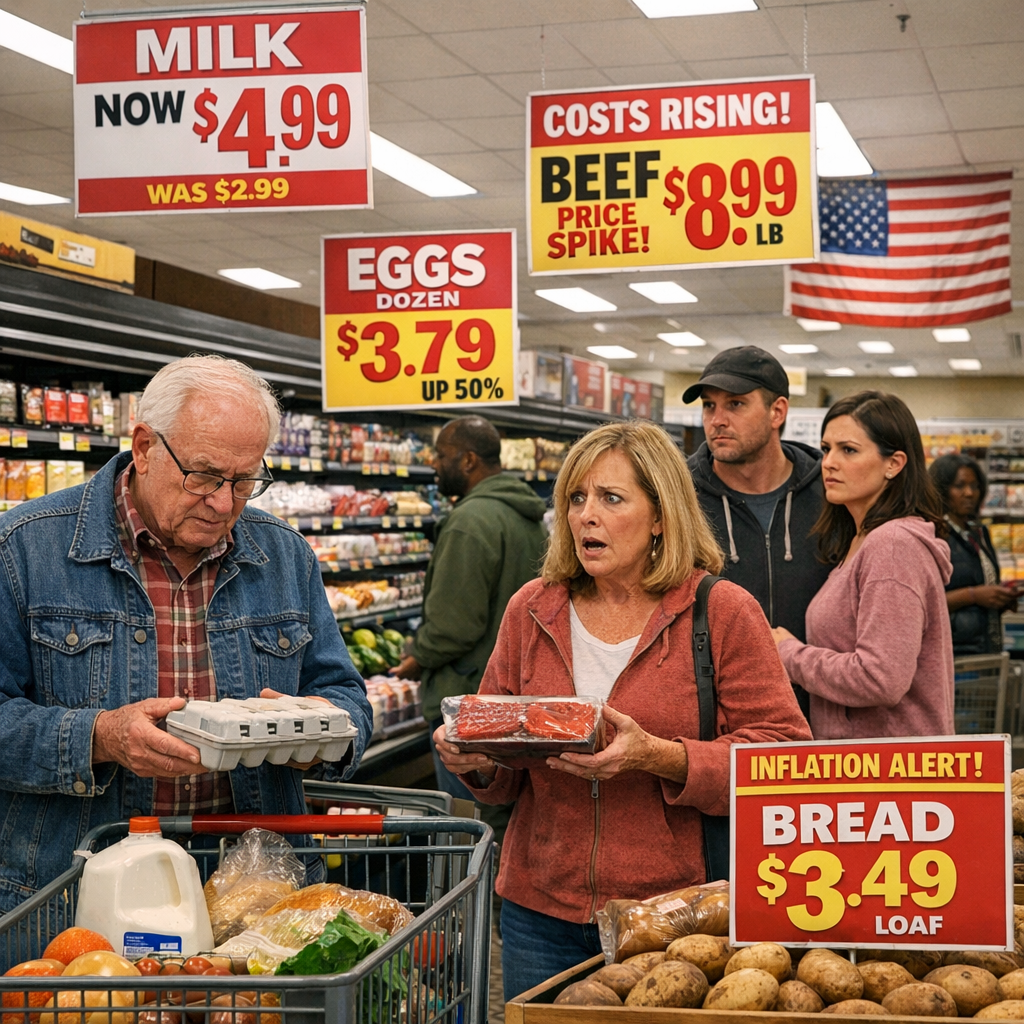

As we navigate through 2026, Americans are confronting a complex economic landscape marked by rising inflation and global uncertainties. Recent data indicates that inflation surged to 3.8% in April, driven in part by the ongoing conflict in the Middle East, which has pushed gas prices above $4.50 per gallon. This escalation has led to a decline in consumer purchasing power, with wage growth failing to keep pace with rising costs. Consequently, many households are increasingly relying on credit to manage daily expenses, leading to a significant drop in consumer confidence. Small business optimism has also reached its lowest point since before the last presidential election, reflecting widespread economic apprehension. While the administration remains publicly confident, citing a booming stock market, the White House acknowledges the political risks posed by rising prices. Emphasizing tax cuts, deregulation, and energy independence, the administration hopes to stabilize the economy. However, polling shows Democrats leading significantly on a generic House ballot, highlighting the political risks the administration faces amid economic unrest. As we continue to monitor these developments, it’s crucial for policymakers to address these challenges to restore economic stability and public confidence.