

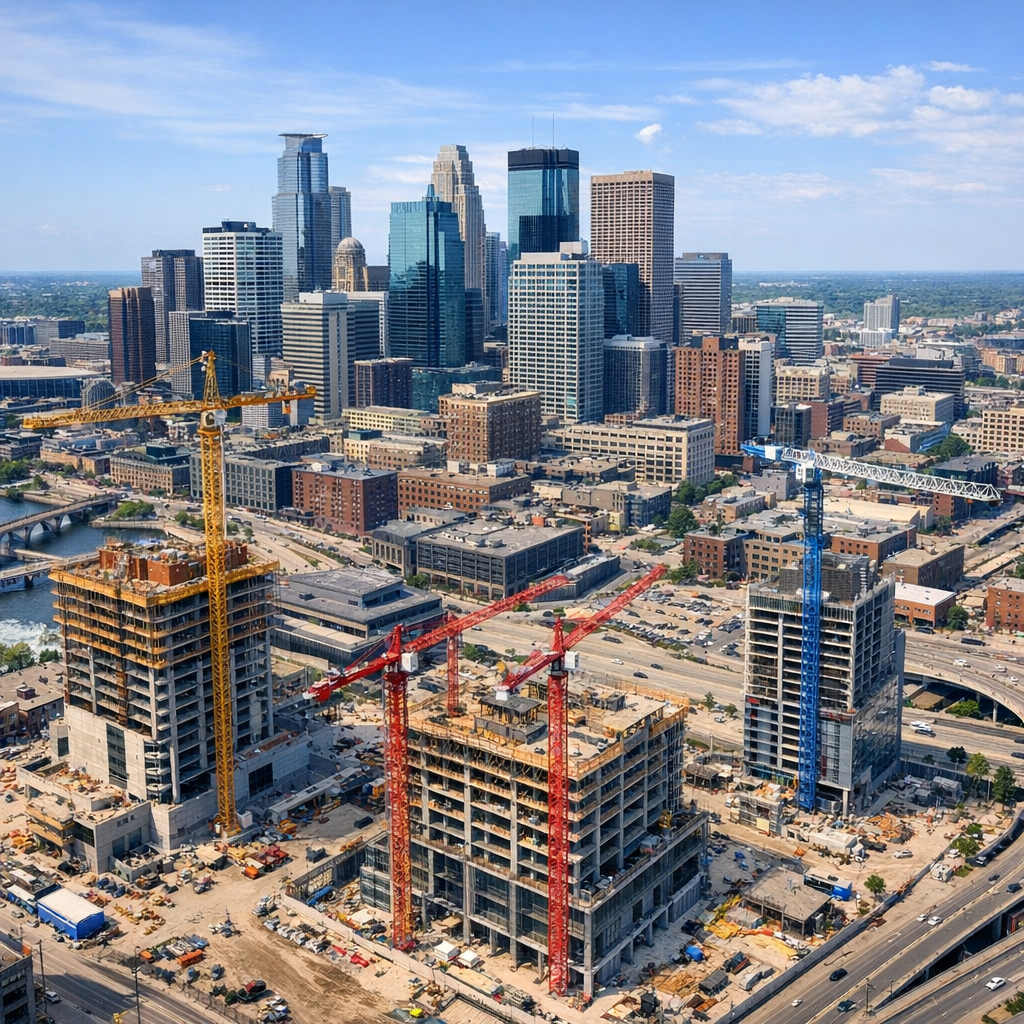
Minneapolis’ real estate market is experiencing notable shifts, with changes in housing prices, inventory levels, and significant development projects reshaping the city’s landscape.
Housing Market Trends
Recent data indicates a dynamic housing market in Minneapolis. According to Zillow, the average home value in the city reached $334,719 as of April 30, 2026, marking a 1.4% increase over the past year. Homes are going pending in approximately 19 days, reflecting a brisk market pace. Additionally, the median sale price stood at $315,500, with a median list price of $309,932, suggesting a competitive environment for both buyers and sellers.
Inventory and Sales Dynamics
The market has seen a rise in inventory, providing buyers with more options. As of April 30, 2026, there were 1,164 homes available for sale, with 467 new listings added that month. Despite the increased inventory, the market remains competitive, with 37.8% of sales closing above the list price and 41.6% below, indicating varied negotiation outcomes.
Notable Development Projects
Several significant development projects are underway, contributing to the city’s evolving real estate landscape. The historic Minneapolis Grain Exchange is slated for a major overhaul, with plans to transform the site into a mixed-use development featuring 232 new apartments. This $123 million project aims to revitalize the downtown area and preserve the site’s historical significance.
In North Minneapolis, the Allura development is blending affordable and luxury housing to create an inclusive community. The project includes 38 units, a tech-enabled laundromat, a chef-led ghost kitchen, and a rooftop garden, emphasizing sustainable design and community engagement.
Additionally, the city has surpassed $1 billion in construction value for the 15th consecutive year, with projects focusing on affordable housing, medical clinics, and office renovations. This consistent investment reflects a commitment to inclusive economic growth and infrastructure development.
Conclusion
Minneapolis’ real estate market is characterized by rising home values, increased inventory, and significant development projects that aim to enhance the city’s livability and economic vitality. Both buyers and sellers should stay informed about these trends to navigate the evolving landscape effectively.