

As the United States grapples with rising inflation and global uncertainties, understanding the current economic landscape is crucial for consumers and businesses alike.
Inflation and Consumer Confidence
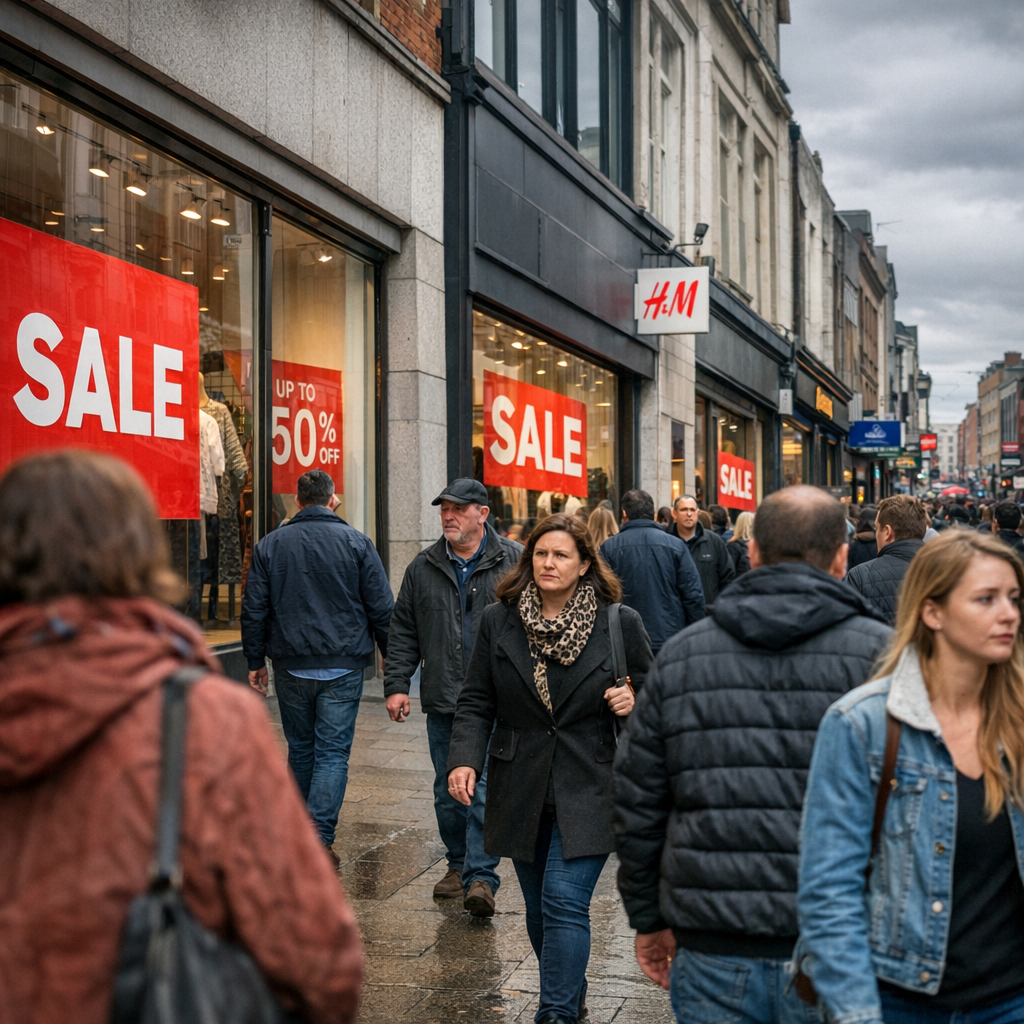
Recent data indicates a surge in inflation, with April’s rate reaching 3.8%, driven in part by escalating gas prices due to ongoing conflicts in the Middle East. This uptick has led to a decline in consumer purchasing power, as wage growth struggles to keep pace with rising costs. Consequently, consumer sentiment has plummeted to record lows, reflecting widespread economic anxiety. Source
Global Events and Economic Impact
The ongoing war in the Middle East has disrupted energy markets and trade routes, contributing to economic instability. The International Monetary Fund projects global growth to slow to 3.1% in 2026, with inflation expected to rise to 4.4% before declining in 2027. Emerging markets and developing economies, particularly those reliant on commodity imports, are anticipated to bear the brunt of these shocks. Source
Policy Responses and Future Outlook
In response to these challenges, the administration has emphasized tax cuts, deregulation, and energy independence as strategies to stabilize the economy. However, public approval of economic management remains low, with a CNN poll showing 70% disapproval. The effectiveness of these policies in mitigating inflation and restoring consumer confidence remains to be seen. Source
As we navigate these uncertain times, staying informed and adaptable is essential for individuals and businesses striving to make sound financial decisions.