

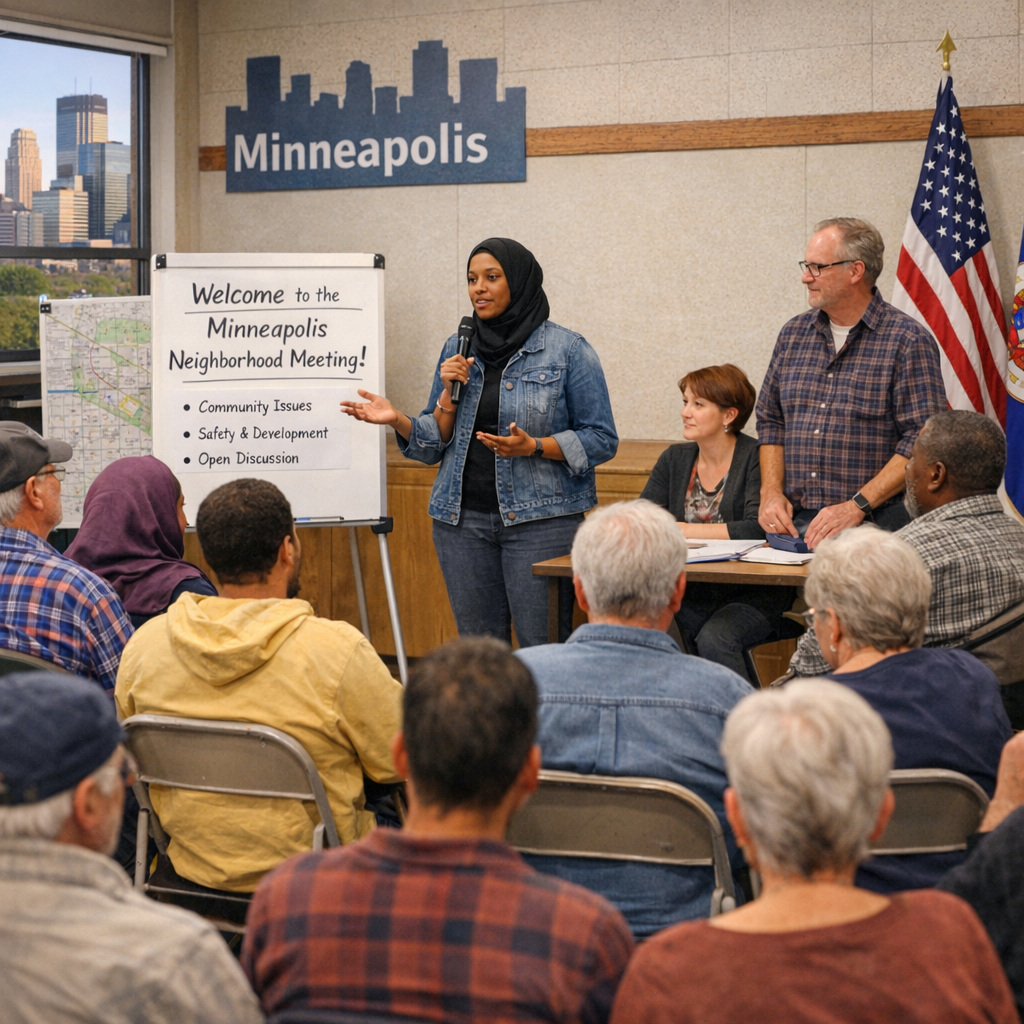
Community engagement is vital for the growth and well-being of Minneapolis. By involving residents in decision-making processes, the city ensures that diverse voices contribute to shaping policies and programs that reflect the community’s needs and aspirations.
City-Led Initiatives
The City of Minneapolis has established several programs to promote inclusive community engagement. The Neighborhood & Community Relations department emphasizes outreach, education, and community building to empower residents to influence decisions affecting their lives. Successful engagement leads to improved service quality, stronger community relationships, and more sustainable outcomes. Learn more about the city’s approach to community engagement.
Additionally, the Partnership Engagement Fund supports projects that keep communities engaged, healthy, connected, and safe. This fund encourages partnerships between community groups and neighborhood organizations, bringing diverse voices into policy and decision-making processes. Find out how to apply for the Partnership Engagement Fund.
Community-Led Efforts
Beyond city initiatives, local organizations play a crucial role in fostering community engagement. T.O.U.C.H Outreach, for example, focuses on violence prevention and community building by walking neighborhoods, building relationships, and connecting individuals to necessary resources. Their approach treats violence as a preventable issue, emphasizing outreach and support. Discover more about T.O.U.C.H Outreach’s mission.
Similarly, the Nokomis East Neighborhood Association (NENA) serves the neighborhoods of Keewaydin, Minnehaha, Morris Park, and Wenonah. NENA invests in neighborhood improvements through microgrants, organizes community events, and facilitates meetings to encourage citizen participation. Their efforts aim to build connections and offer volunteer opportunities to residents. Learn about NENA’s initiatives.
Collaborative Success Stories
Collaborations between the city and community organizations have led to impactful programs. The Backyard Initiative, a partnership between residents of seven south Minneapolis neighborhoods and Allina Health, focused on improving health outcomes by leveraging community strengths and cultural practices. This initiative demonstrated the power of community-driven solutions in addressing health disparities. Read about the Backyard Initiative’s impact.
Another example is the Minneapolis Community Events Assistance Program (MPLS CEAP), administered by Meet Minneapolis on behalf of the city. This program supports nonprofit organizations by providing financial assistance for community-driven events that enhance the city’s vibrancy and engage residents and visitors. Explore MPLS CEAP’s objectives and eligibility.
Conclusion
Fostering community engagement in Minneapolis requires a collaborative approach that includes city-led initiatives and community-driven efforts. By working together, residents and organizations can create a more inclusive, connected, and vibrant city.