

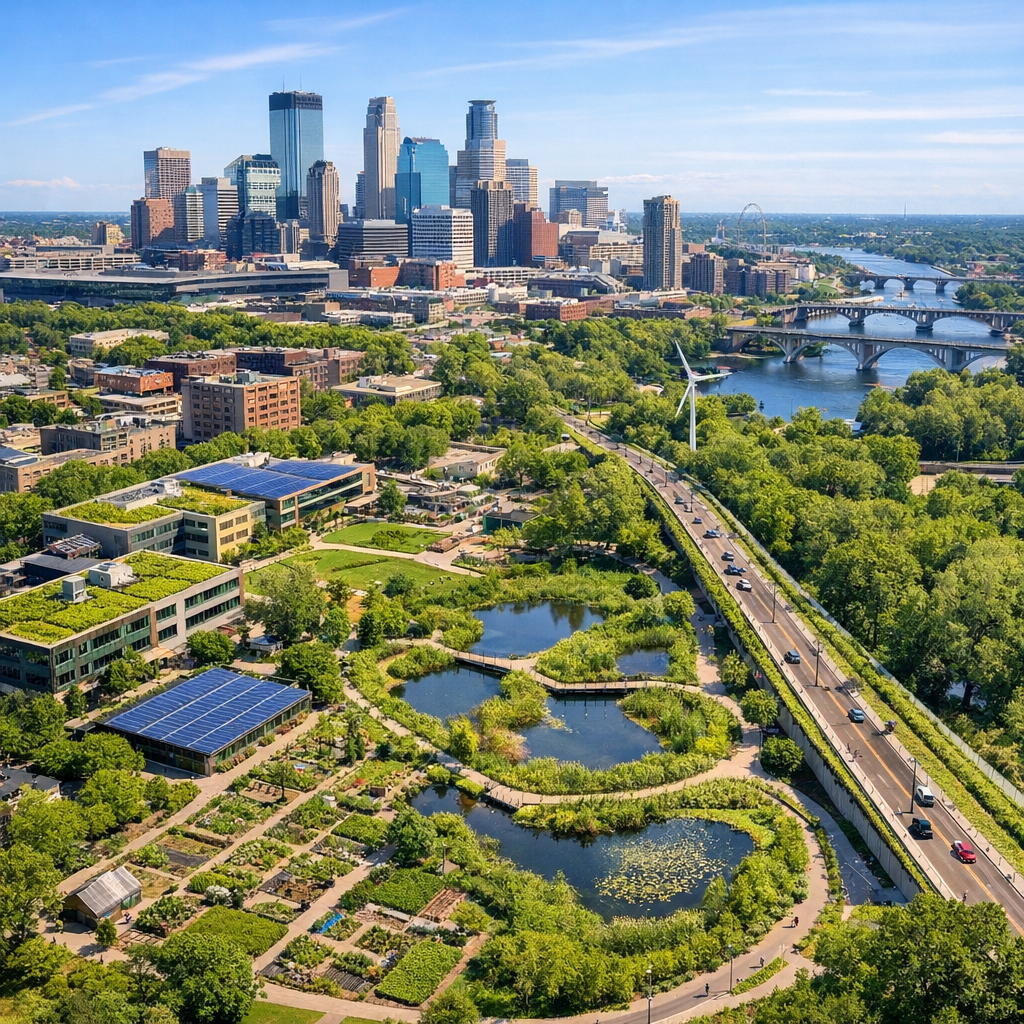
Climate change is no longer a distant concern; its effects are increasingly evident in Minneapolis. From rising temperatures to altered precipitation patterns, our city faces several challenges that require immediate attention.
Rising Temperatures and Heat Risks
Minneapolis has experienced a significant increase in average temperatures over recent decades. This warming trend poses health risks, especially for vulnerable populations such as older adults and those with pre-existing health conditions. The city has observed a rise in extreme heat events, which can lead to heat-related illnesses and increased energy consumption due to higher demand for cooling.
Increased Precipitation and Flooding
Alongside rising temperatures, Minneapolis has seen an uptick in heavy rainfall events. These intense storms can overwhelm the city’s stormwater infrastructure, leading to urban flooding. Such flooding not only damages property but also poses risks to public health and safety. The increased runoff carries pollutants into our waterways, affecting water quality and aquatic life.
Impact on Natural Ecosystems
Warmer temperatures and altered precipitation patterns affect local ecosystems. For instance, warmer winters can disrupt the life cycles of native species and facilitate the spread of invasive species. Additionally, changes in lake ice cover and water temperatures can impact fish populations, affecting both recreational fishing and local biodiversity.
City Initiatives and Adaptation Strategies
Recognizing these challenges, Minneapolis has implemented several initiatives to mitigate and adapt to climate change impacts. The city’s Climate Equity Plan aims to significantly reduce climate pollution by 2030 and achieve carbon neutrality by 2050. This plan emphasizes environmental justice, ensuring that all communities, especially those historically marginalized, benefit from climate action efforts.
Furthermore, the Climate Legacy Initiative, launched in 2024, allocates resources toward projects in communities that need it most. These projects include expanding green jobs, increasing renewable energy adoption, and enhancing urban tree canopies to provide natural cooling and improve air quality.
On the infrastructure front, the city is investing in upgrading stormwater systems to handle increased precipitation and reduce flooding risks. Efforts are also underway to promote sustainable transportation options, such as expanding public transit and supporting electric vehicle adoption, to reduce greenhouse gas emissions from the transportation sector.
Community Involvement
Addressing climate change requires collective action. Residents can participate by adopting energy-efficient practices, supporting local renewable energy initiatives, and staying informed about city programs and resources. Community engagement is crucial to ensure that climate action efforts are inclusive and effective.
In conclusion, while climate change presents significant challenges for Minneapolis, proactive measures and community involvement can help build a resilient and sustainable future for all residents.