

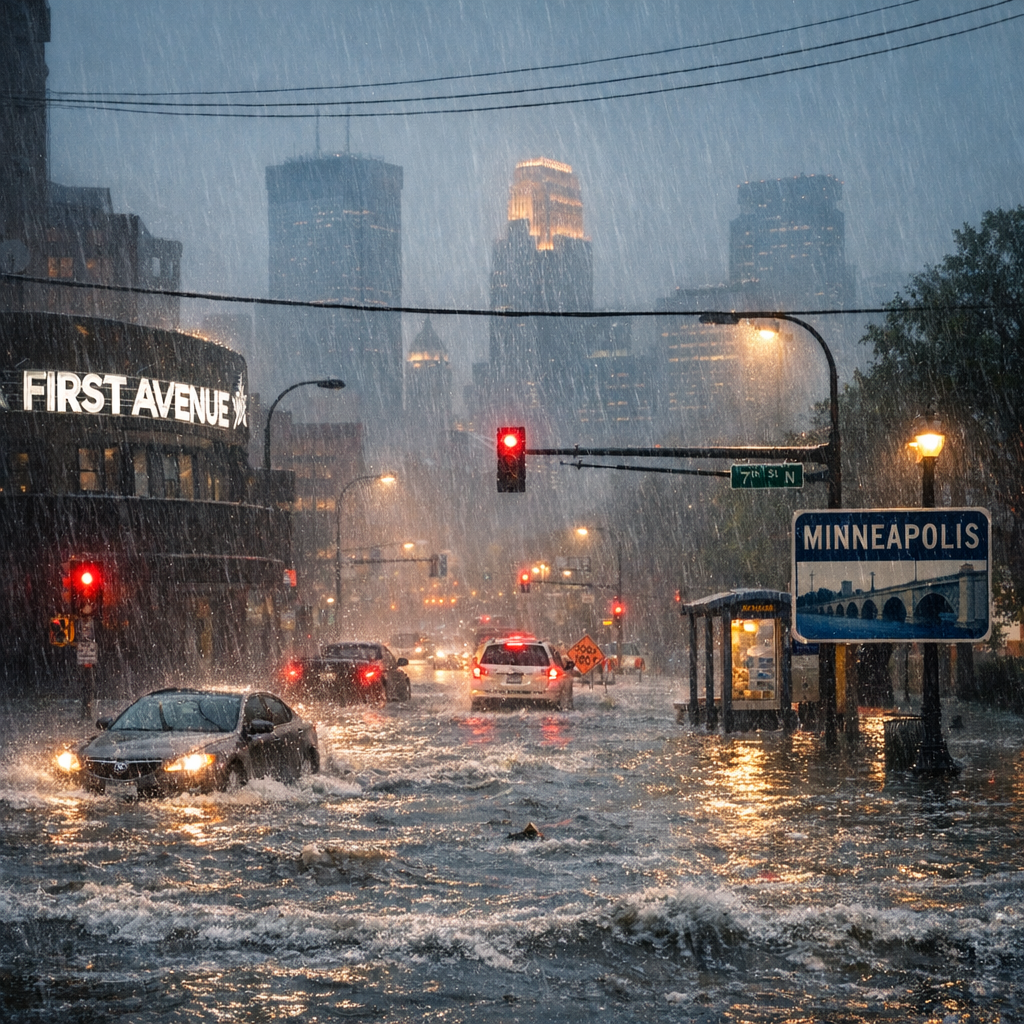
Climate change is no longer a distant concern; its effects are increasingly evident in Minneapolis. The city is experiencing warmer temperatures, increased precipitation, and more frequent extreme weather events, all of which pose significant challenges to our community.
Rising Temperatures and Health Risks
Minneapolis has observed a nearly 3°F increase in average temperatures. This warming trend contributes to more extreme heat events, which can be particularly hazardous for older residents and those with pre-existing health conditions. Additionally, historically redlined neighborhoods, often home to communities of color, are disproportionately affected by higher temperatures due to limited green spaces and increased urban heat island effects.
Increased Precipitation and Flooding
The city has seen a significant uptick in heavy rainstorms since 2000. These intense precipitation events overwhelm stormwater systems, leading to flooding that damages infrastructure and disrupts daily life. The Mississippi Watershed Management Organization notes that increased runoff from more intense storms carries higher volumes of pollutants into our waterways, threatening water quality and aquatic life.
Impact on Agriculture and Local Food Systems
Warmer and wetter conditions strain food production, affecting both crops and livestock. Farmers face challenges such as altered growing seasons and increased pest pressures, which can lead to reduced yields and economic hardships. These agricultural impacts have a ripple effect on local food systems and economies.
City Initiatives and Community Involvement
In response to these challenges, Minneapolis has implemented several initiatives aimed at mitigating climate change impacts and promoting resilience:
- Climate Equity Plan: Adopted in 2023, this plan sets goals to significantly reduce climate pollution by 2030 and achieve carbon neutrality by 2050. It emphasizes reducing utility bills, increasing green jobs, and creating a healthier future for all residents.
- Climate Legacy Initiative: Launched in 2024, this initiative allocates resources toward projects in communities most affected by climate change, focusing on equitable solutions and community engagement.
- Green Cost Share Program: This program supports residents, businesses, and nonprofits in funding projects that reduce pollution, improve energy efficiency, and support renewable energy adoption.
Community involvement is crucial in these efforts. Residents can participate by adopting energy-efficient practices, supporting local green initiatives, and staying informed about city programs designed to combat climate change.
By understanding the local impacts of climate change and actively participating in mitigation and adaptation strategies, Minneapolis can work toward a more resilient and sustainable future for all its residents.