

In recent months, Minneapolis has faced significant challenges due to Operation Metro Surge, a large-scale federal immigration enforcement initiative. This operation has had profound economic and social repercussions for the city and its residents.
Economic Impact
The operation has led to substantial financial losses across various sectors. A preliminary city study estimated that in just one month, the city experienced at least $203.1 million in economic impact. This includes $47 million in lost wages as individuals avoided work, $81 million in revenue losses for restaurants and small businesses, and $4.7 million in hotel cancellations extending through the summer. These figures underscore the widespread economic disruption caused by the operation.
Social Consequences
Beyond the economic toll, the operation has deeply affected the social fabric of Minneapolis. Approximately 76,200 residents are experiencing food insecurity as a direct result of the enforcement actions. Additionally, 8,713 school-age children are in need of mental health services due to the stress and anxiety induced by the operation. The presence of federal agents has also led to a significant decrease in public engagement, with many residents avoiding public spaces and community events.
Community Response
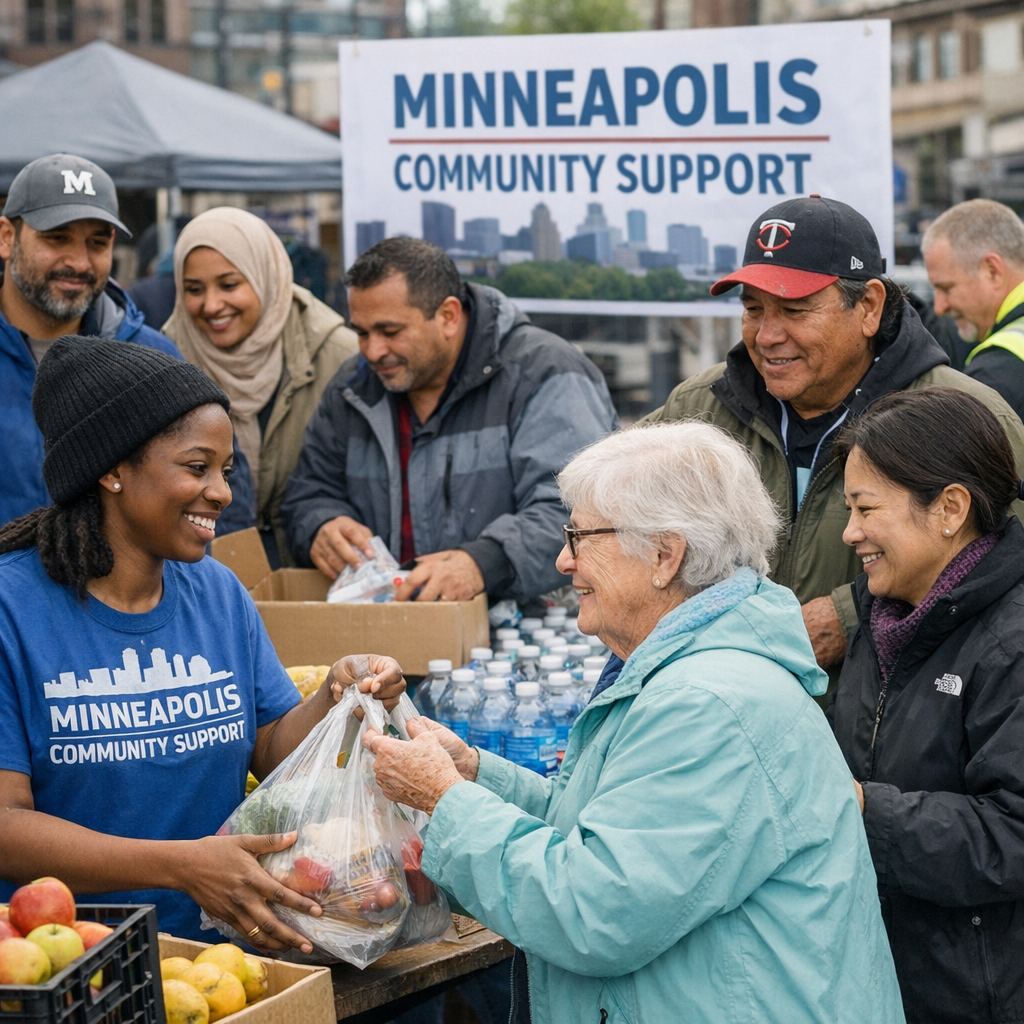
In response to these challenges, local organizations and community leaders have mobilized to support affected residents. Initiatives such as food drives, legal aid services, and mental health support programs have been established to assist those in need. The resilience and solidarity demonstrated by the Minneapolis community highlight the city’s commitment to overcoming adversity and supporting its diverse population.
Looking Ahead
As Minneapolis continues to navigate the aftermath of Operation Metro Surge, it is crucial for both local and federal authorities to collaborate on strategies that prioritize the well-being of all residents. Addressing the economic and social impacts requires a comprehensive approach that includes financial assistance, community engagement, and policy reforms aimed at fostering a more inclusive and supportive environment.