

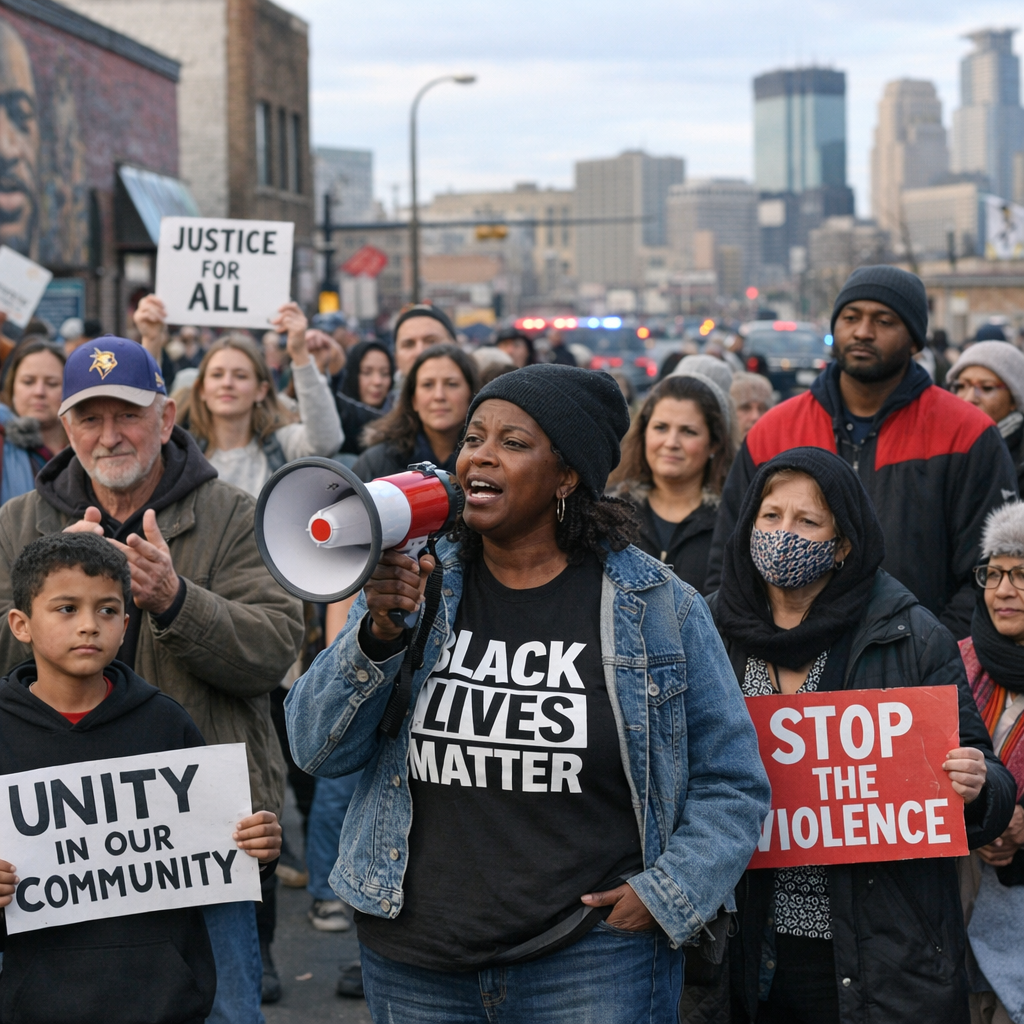
In recent months, Minneapolis has faced a series of challenges that have tested the resilience of its communities. From economic impacts to housing concerns, residents have come together to support one another and advocate for solutions.
Economic Impact of Operation Metro Surge
The federal immigration enforcement initiative, Operation Metro Surge, has had significant repercussions on the city’s economy. Local businesses and workers have experienced substantial losses, with the city estimating at least $203.1 million in economic impact. This includes $81 million in revenue losses for restaurants and small businesses, and $47 million in lost wages for workers unable to safely go to work. Additionally, 76,200 residents have faced food insecurity linked to the operation. The city is actively seeking funding assistance to address these urgent humanitarian needs.
Housing Concerns and Eviction Policies
The economic strain has exacerbated housing challenges, particularly for immigrant renters. The Minneapolis City Council recently approved a temporary measure requiring landlords to provide tenants with 45 days’ notice before initiating eviction proceedings, an increase from the standard 30 days. This extension aims to give tenants more time to address rent issues and avoid homelessness. However, the council’s attempt to further extend the notice period to 60 days was vetoed by Mayor Jacob Frey, and the council failed to override the veto.
Community Initiatives and Support
In response to these challenges, community members have taken proactive steps to support their neighbors. Residents in South Minneapolis organized “filter blockades” at various intersections to prevent potential immigration enforcement vehicles from entering their neighborhoods. These grassroots efforts reflect the community’s commitment to protecting vulnerable residents and maintaining a sense of safety and solidarity.
Looking Ahead
Despite the hurdles, Minneapolis continues to demonstrate resilience. The city has launched a $323.1 million construction season with 37 projects citywide, focusing on infrastructure improvements that aim to benefit all residents. Additionally, Mayor Frey has emphasized a “back to basics” approach in his recent State of the City address, focusing on core responsibilities and initiatives to strengthen the community.
As Minneapolis navigates these complex issues, the collective efforts of its residents and leaders will be crucial in fostering a supportive and thriving community.