

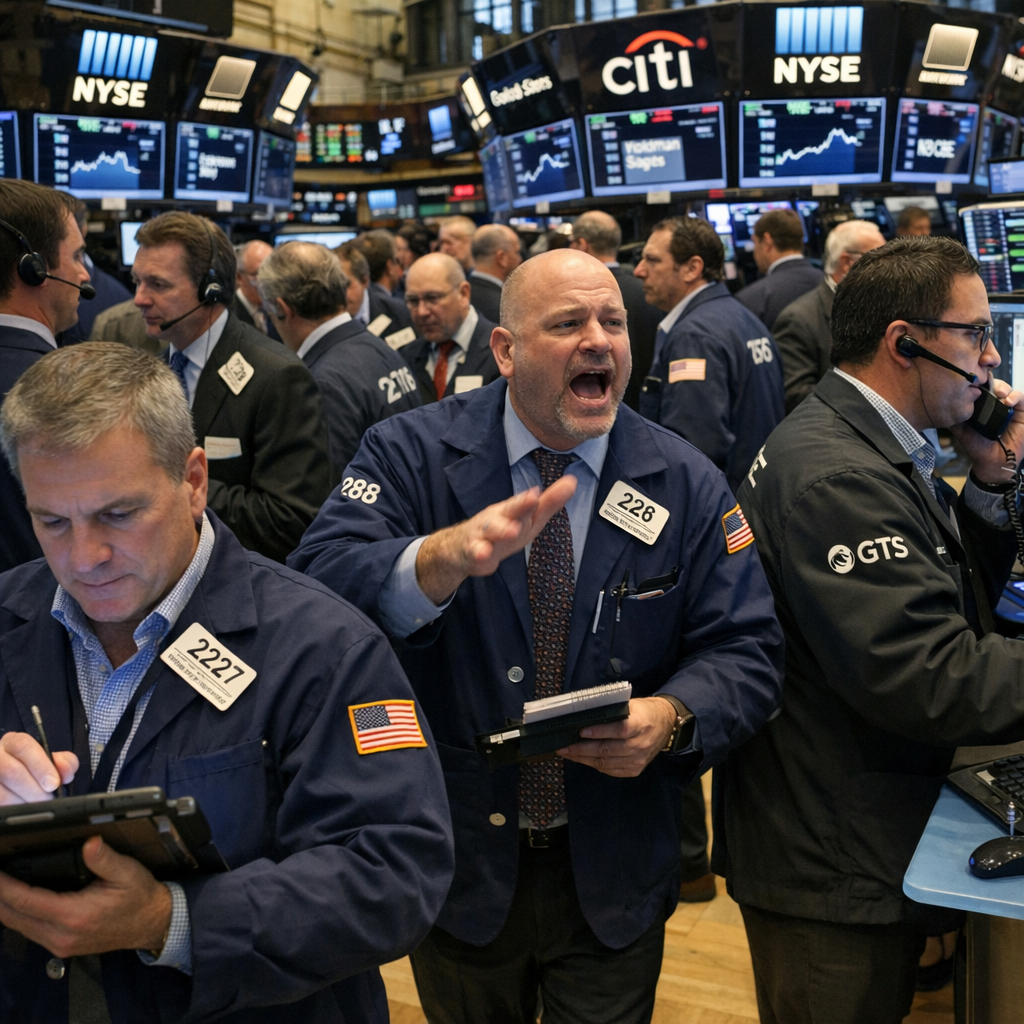
The U.S. economy has demonstrated resilience in recent months, with notable growth and evolving challenges. Understanding these dynamics is crucial for both policymakers and citizens.
Economic Growth
In the first quarter of 2026, the U.S. economy expanded at an annualized rate of 2%, rebounding from a 0.5% growth in the previous quarter. This uptick is largely attributed to recovery efforts following a prolonged federal government shutdown and robust investments in the artificial intelligence sector. However, geopolitical tensions, particularly the conflict in Iran, have introduced uncertainties that may impact future growth trajectories.
Employment Trends
The labor market has shown mixed signals. The unemployment rate has remained relatively stable, hovering around 4.3% to 4.4% in recent months. Notably, April 2026 saw an addition of approximately 115,000 jobs, indicating modest job creation. Average hourly earnings have experienced incremental increases, reaching $37.41 in April, suggesting gradual wage growth.
Inflation Concerns
Inflation has become a pressing concern, with the Consumer Price Index (CPI) rising by 0.9% in March 2026. This surge is primarily driven by escalating energy prices, a consequence of the ongoing conflict in Iran affecting global oil supplies. The Federal Reserve is closely monitoring these developments, balancing the need to control inflation without stifling economic growth.
Implications for Minneapolis Residents
For residents of Minneapolis, these national economic trends have tangible local effects. The AI sector’s growth may present new employment opportunities in tech-related fields. However, rising inflation, especially in energy costs, could strain household budgets. Staying informed and adaptable will be key to navigating these evolving economic conditions.
In summary, while the U.S. economy shows signs of recovery and growth, challenges such as inflation and geopolitical uncertainties remain. A nuanced understanding of these factors will aid individuals and businesses in making informed decisions in the current economic climate.