

As inflation rates climb, Americans are confronting economic challenges that affect daily life and the broader political landscape. Recent data indicates a significant rise in consumer prices, with inflation reaching 3.8% in April. This increase is largely attributed to ongoing geopolitical tensions and policy decisions that have influenced energy costs and supply chains.
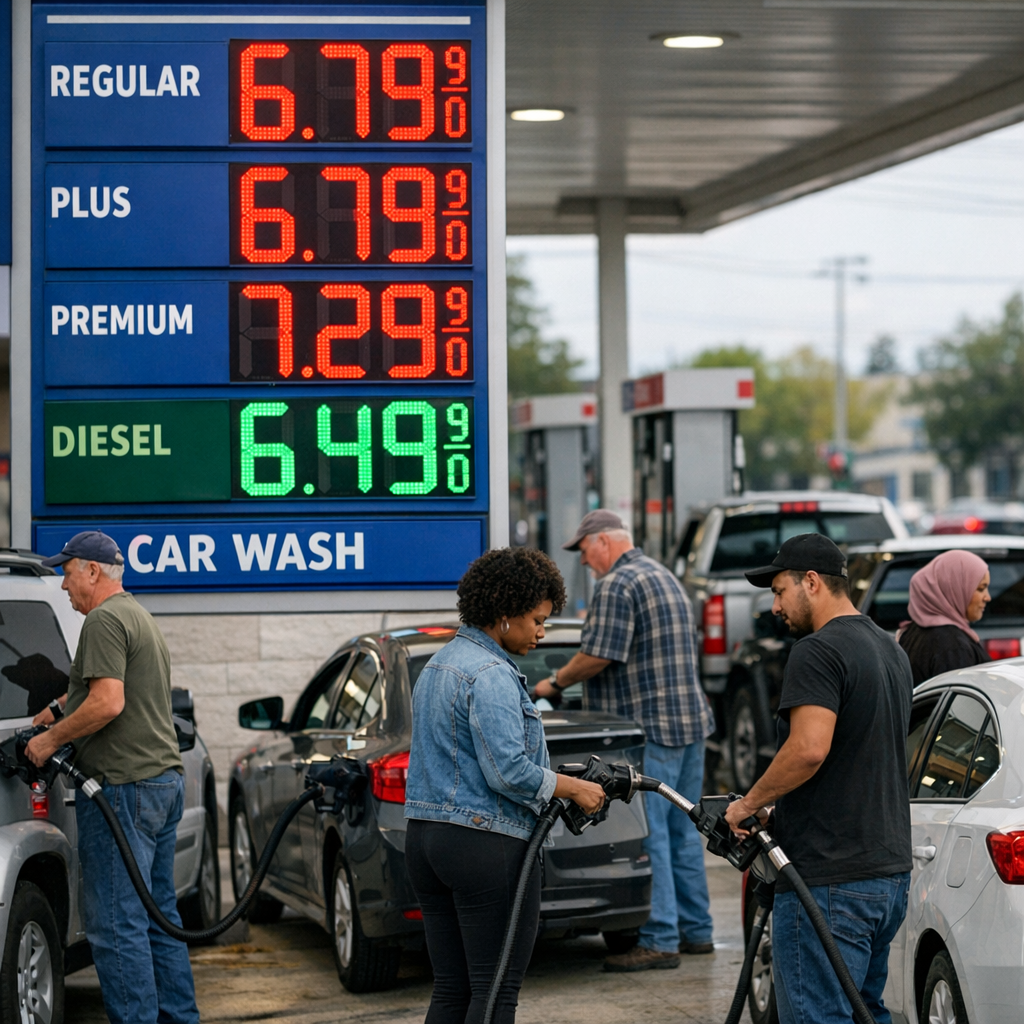
One of the most immediate impacts of rising inflation is the surge in gasoline prices, which have exceeded $4.50 per gallon nationally. This escalation places a financial strain on households, particularly those with fixed or lower incomes. Additionally, wage growth has not kept pace with inflation, leading to a decrease in real purchasing power for many workers.
Consumer sentiment has also been affected, with surveys indicating a decline in confidence regarding the economy’s direction. This sentiment is reflected in increased reliance on credit and a cautious approach to spending, which can have ripple effects on economic growth.
In response to these challenges, policymakers are exploring various strategies to stabilize the economy. Proposals include adjustments to monetary policy, targeted fiscal measures, and initiatives aimed at addressing supply chain disruptions. However, the effectiveness of these measures remains to be seen, and their implementation may take time to yield tangible results.
As the nation navigates this period of economic uncertainty, it is crucial for individuals to stay informed and consider financial planning strategies that can help mitigate the impact of inflation on personal finances. Engaging with community resources and seeking professional financial advice can provide valuable support during these challenging times.