

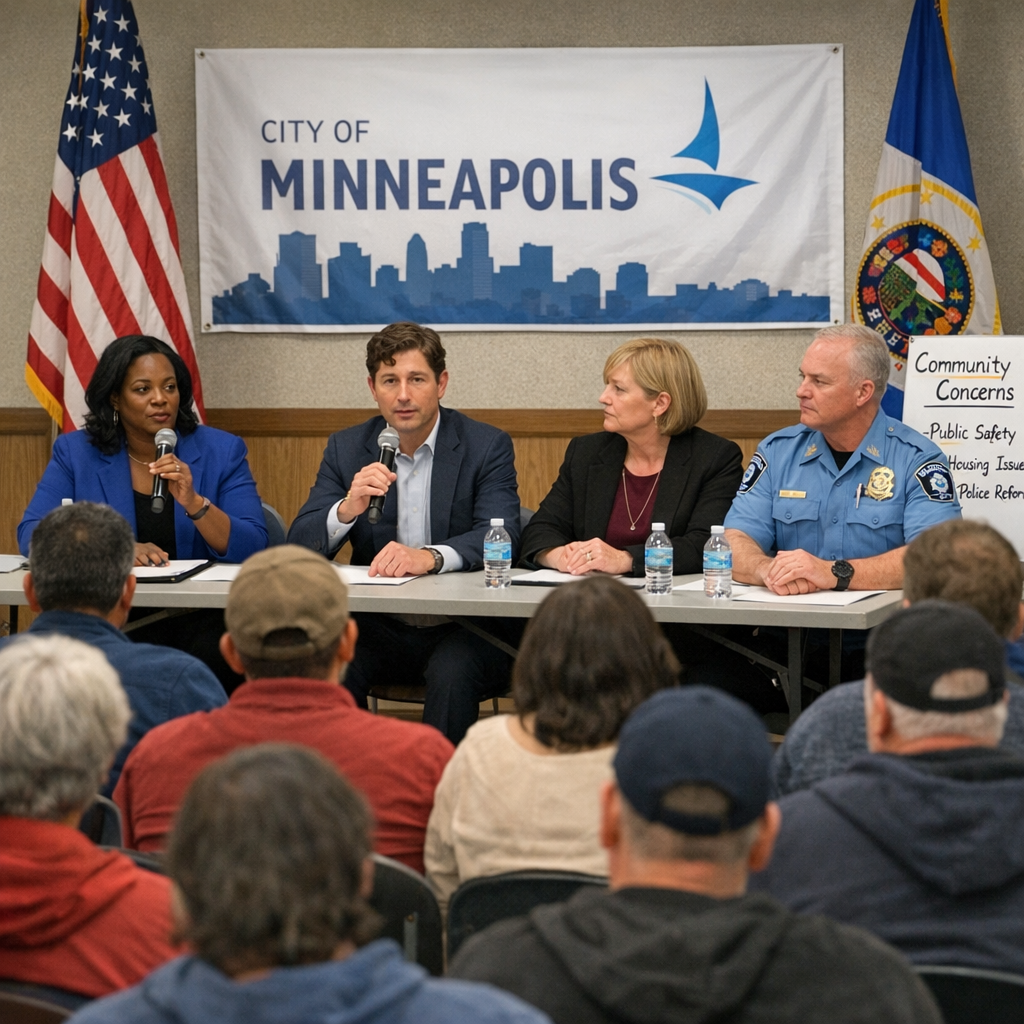
In response to recent federal immigration enforcement activities, Minneapolis city officials have introduced measures aimed at supporting affected communities and mitigating economic and social impacts.
Economic and Social Impact
Operation Metro Surge, a federal immigration enforcement initiative, has significantly affected Minneapolis residents and businesses. City data indicates that local businesses and restaurants lost $81 million, workers unable to safely go to work lost $47 million in wages, and hotels experienced $4.7 million in revenue losses due to cancellations extending into the summer. Additionally, 76,200 people experienced food insecurity linked to the operation, and 8,713 school-aged children required mental health services.
City’s Response
To address these challenges, the Minneapolis City Council approved an additional $2.8 million in emergency rental assistance, supplementing the $1 million approved in February. This funding aims to support residents facing housing instability due to the economic repercussions of the enforcement actions.
Furthermore, the city updated an ordinance to prohibit federal, state, or local government entities from using city-owned or controlled parking lots, ramps, vacant lots, or garages as staging areas for enforcing federal immigration laws. This measure underscores Minneapolis’s commitment to protecting its immigrant communities.
Community Support Initiatives
The city has also emphasized the importance of providing resources and support to affected residents. The Office of Immigrant and Refugee Affairs offers assistance, including free legal clinics with immigration attorneys, to help individuals navigate their circumstances. Community members are encouraged to connect with the office for additional information and support.
Moving Forward
Minneapolis remains dedicated to upholding its status as a welcoming city, ensuring that all residents feel safe, included, and informed of their rights. City leaders continue to work collaboratively with community organizations to address the ongoing needs resulting from federal enforcement actions and to promote the well-being of all residents.