
Recent developments in the U.S. economy and political arena are influencing national sentiment and policy directions.
Economic Concerns Amid Rising Inflation
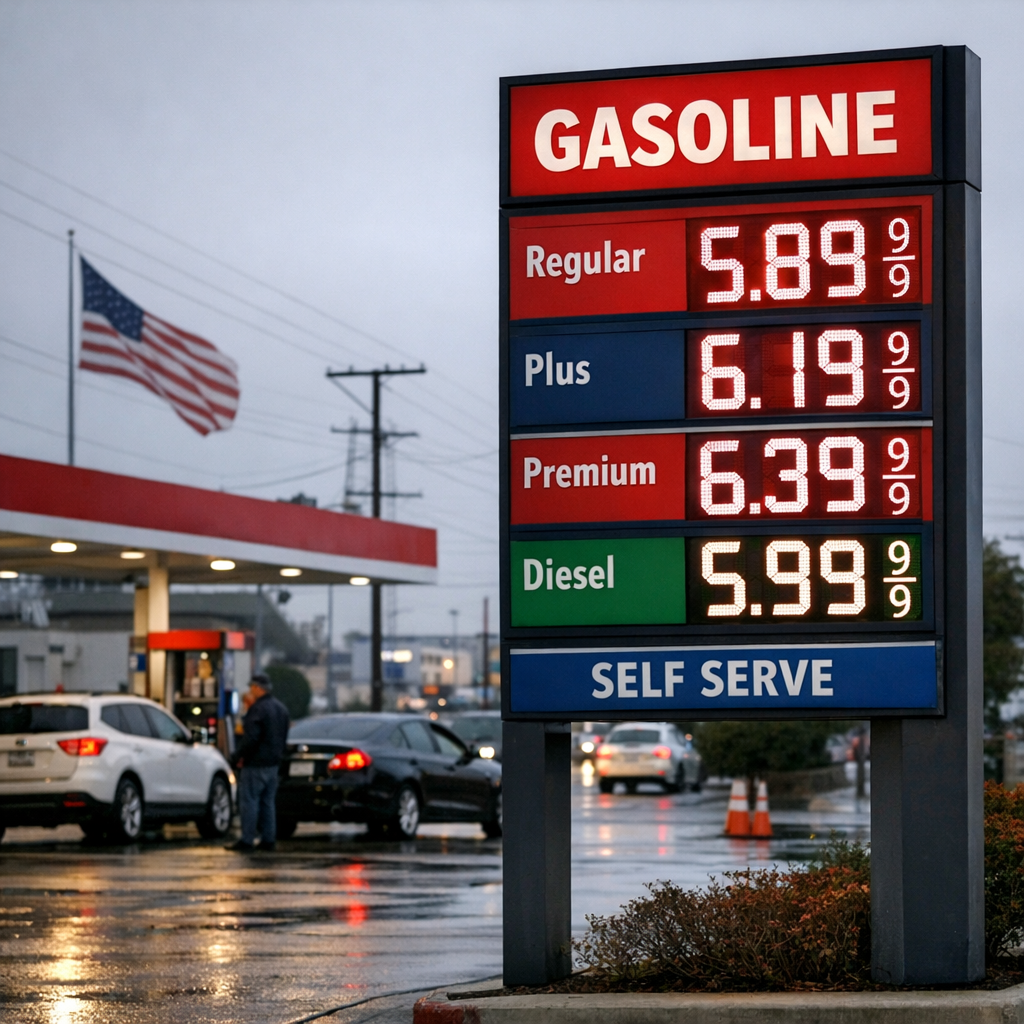
A CBS News/YouGov poll indicates that 70% of Americans feel “angry” or “frustrated” about the current administration’s handling of the economy. This dissatisfaction is largely attributed to escalating energy costs and inflationary pressures. The conflict in the Middle East has led to increased energy prices, with national average gas prices exceeding $4.50 per gallon. Inflation has also risen to 3.8% in April, the highest in three years. These economic challenges have led to declining confidence in current policies, with 65% of respondents believing that recent actions are worsening the economy in the short term.
Federal Reserve’s Response to Economic Challenges
The Federal Reserve is closely monitoring these economic indicators. The International Monetary Fund (IMF) projects U.S. GDP growth at 2.4% for the fourth quarter of 2026, up from 2.2% the previous year. Unemployment is expected to drop to 4.1% in 2026. However, the IMF warns that significant federal budget debts pose a growing stability risk. The Federal Reserve, which cut its benchmark interest rate three times in 2025, is considering further adjustments to address these economic challenges.
Political Developments and Public Sentiment
In the political arena, recent actions have sparked public debate. The U.S. Environmental Protection Agency (EPA) proposed delaying enforcement of a regulation requiring significant cuts in vehicle air pollution. This move has raised concerns among environmental groups and the public about the administration’s commitment to environmental protection. Additionally, Supreme Court Justice Samuel Alito is facing scrutiny over potential conflicts of interest due to his ownership of oil company stocks. Watchdog groups have called for an investigation into whether his participation in certain cases violates court ethics codes.
Implications for Minnesota Residents
For residents of Minneapolis and the broader Minnesota community, these national developments have tangible local impacts. Rising energy costs and inflation affect household budgets, while political decisions at the federal level influence state policies and initiatives. Staying informed about these issues is crucial for understanding how national trends may affect our local community.