

As the United States navigates a complex economic and political environment, recent developments have brought both challenges and opportunities to the forefront.
Economic Indicators and Public Sentiment
Inflation has become a pressing concern for many Americans. In April 2026, consumer inflation rose to 3.8%, with projections indicating a further increase to 4.2% in May. This uptick is attributed to factors such as the ongoing conflict in Iran, elevated oil prices, and recent tariff policies. These economic pressures are outpacing wage growth, leading to financial strain for numerous households.
Public dissatisfaction with the current economic trajectory is evident. A recent CBS News/YouGov poll revealed that 70% of Americans feel “angry” or “frustrated” about the administration’s handling of the economy. Only 11% expressed enthusiasm, and 19% reported satisfaction. This growing discontent poses challenges for policymakers as they seek to address economic concerns.
Political Landscape and Upcoming Elections
The political climate remains tense as the nation approaches the midterm elections. The same CBS News/YouGov poll indicates that 65% of respondents believe current policies are worsening the economy in the short term, with 50% expressing concerns about long-term impacts. These sentiments could influence voter behavior and the balance of power in Congress.
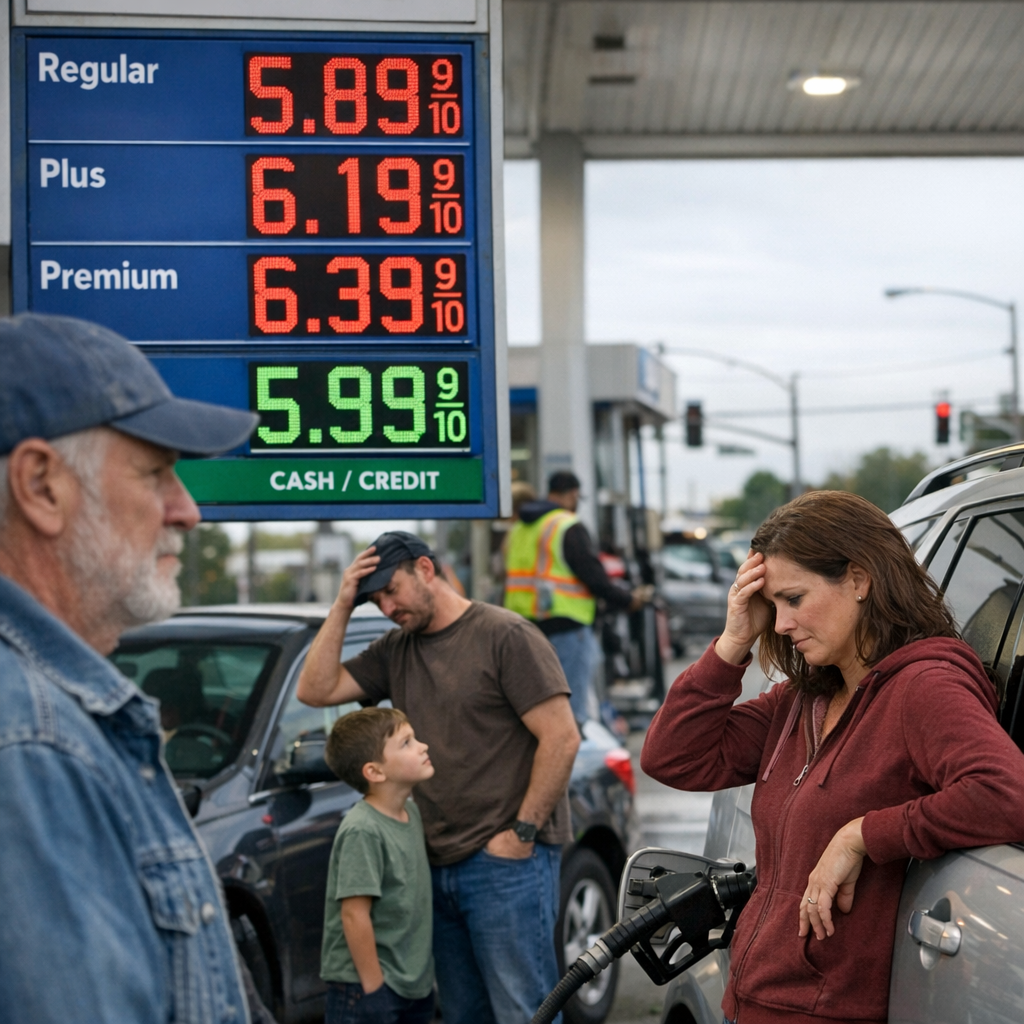
Additionally, the administration’s foreign policy decisions, particularly the military conflict with Iran, have had domestic repercussions. The closure of the Strait of Hormuz has led to a surge in energy costs, with average gas prices exceeding $4.50 per gallon nationally. This escalation has further strained household budgets and intensified debates over foreign policy priorities.
Looking Ahead
As Minneapolis residents and the broader American public grapple with these economic and political challenges, staying informed and engaged is crucial. The coming months will be pivotal in shaping the nation’s direction, and active participation in the democratic process remains essential.