

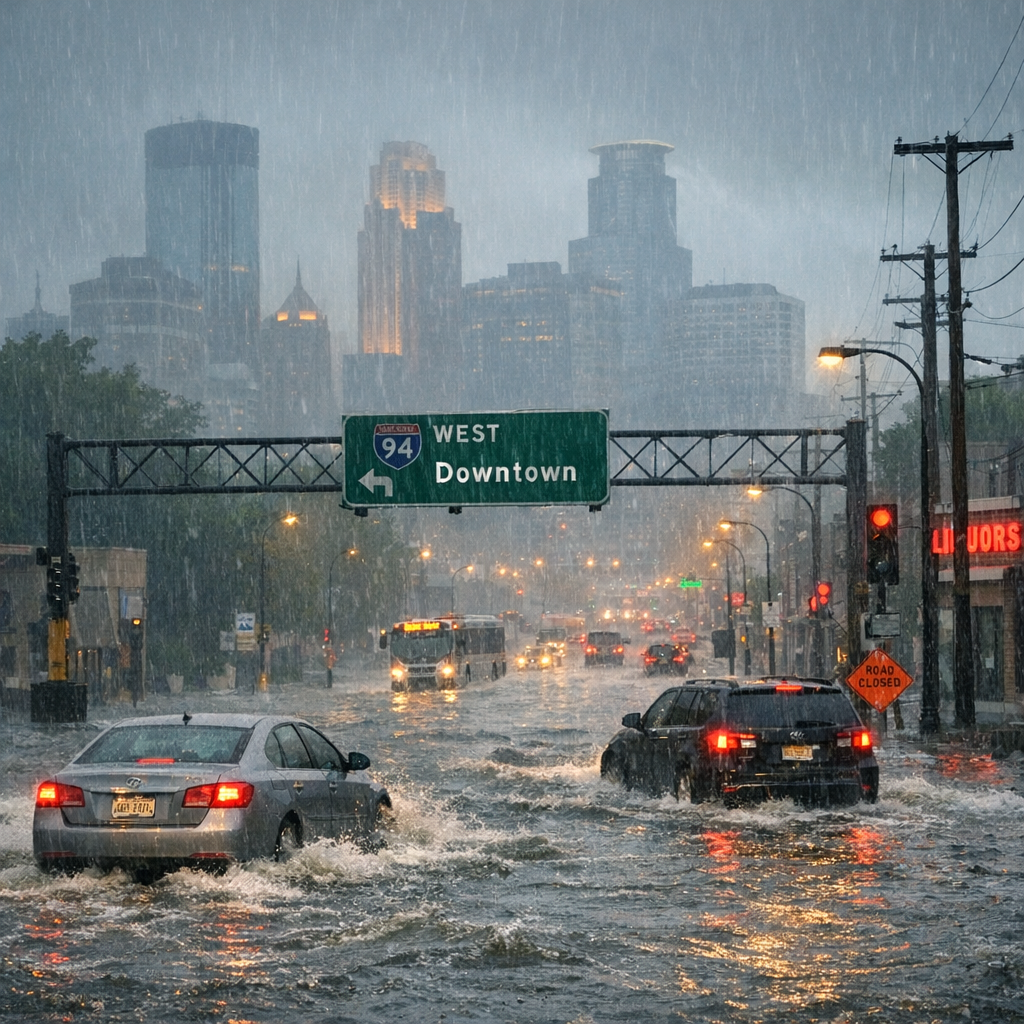
Climate change is no longer a distant concern; its effects are increasingly evident in Minneapolis. The city has experienced significant shifts in weather patterns, including warmer winters and more intense rainfall events.
Warming Winters and Increased Precipitation
Since 1970, winter temperatures in Minneapolis have risen by approximately 5.3°F, more than double the national average. This warming trend has led to earlier snowmelt and increased flooding risks. Additionally, the city has seen a rise in heavy rainfall events, overwhelming stormwater systems and leading to urban flooding.
City Initiatives to Combat Climate Change
In response to these challenges, Minneapolis has implemented several initiatives:
Climate Equity Plan
Adopted in 2023, the Climate Equity Plan aims to significantly reduce climate pollution by 2030 and achieve carbon neutrality by 2050. The plan emphasizes reducing utility bills, increasing green jobs, and creating a healthier future for all residents.
Climate Legacy Initiative
Launched in 2024, this initiative allocates resources toward projects in communities most affected by climate change. It focuses on weatherizing homes, providing workforce training for green jobs, and enhancing the city’s tree-planting efforts.
Green Cost Share Program
This program supports residents, businesses, and nonprofits in funding projects that reduce pollution, improve energy efficiency, and promote renewable energy adoption.
Community Involvement
Residents are encouraged to participate in these initiatives by adopting energy-efficient practices, supporting local renewable energy projects, and staying informed about city programs. Community engagement is vital in building a resilient and sustainable Minneapolis.
By understanding the local impacts of climate change and actively participating in mitigation efforts, we can collectively work towards a more sustainable future for our city.