

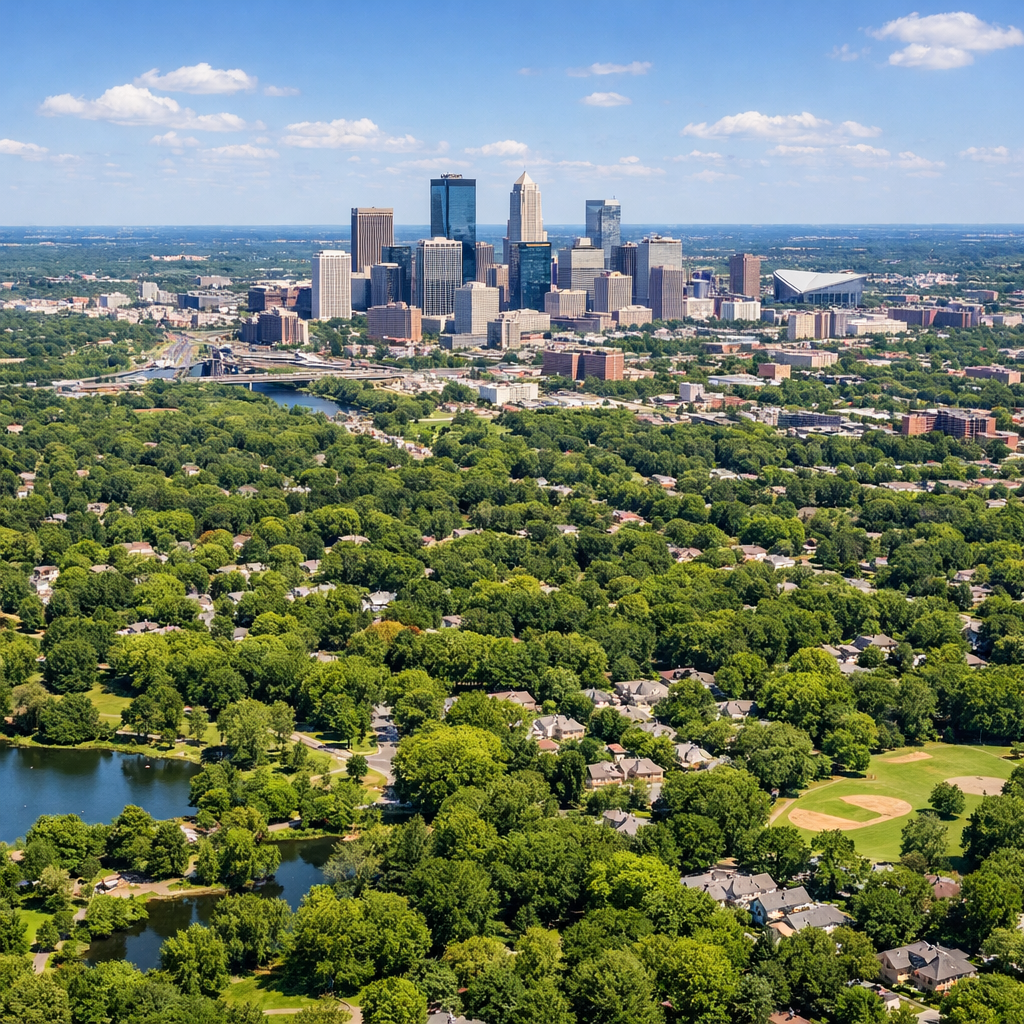
As Minneapolis continues to grow and develop, the urban heat island (UHI) effect becomes an increasingly pressing concern. This phenomenon occurs when urban areas experience higher temperatures than their rural surroundings due to human activities and infrastructure. Factors such as dark-colored surfaces like asphalt and concrete absorb and retain heat, while the lack of vegetation reduces natural cooling through shade and evapotranspiration.
Understanding the Urban Heat Island Effect
The UHI effect leads to elevated temperatures in city environments, which can have several adverse impacts, including increased energy consumption for cooling, heightened air pollution levels, and exacerbated health risks, particularly for vulnerable populations. Studies have shown that urban areas can be significantly warmer than their rural counterparts, especially during the summer months.
Minneapolis’ Urban Forestry Initiatives
To combat the UHI effect, Minneapolis has implemented robust urban forestry programs aimed at increasing tree canopy coverage throughout the city. The Minneapolis Park and Recreation Board (MPRB) manages approximately 200,000 boulevard trees along 1,100 miles of streets and 400,000 park trees across more than 7,000 acres of land. These efforts are guided by the city’s Urban Forestry Policy, which promotes the benefits of preserving, maintaining, and planting trees to enhance the urban environment.
One notable initiative is the City Trees program, which has been instrumental in expanding the city’s tree canopy. Since its inception in 2006, the program has provided nearly 26,000 trees for planting on private property, including hundreds of free trees for residents in Green Zone neighborhoods—areas identified as having low tree canopy coverage. This program not only helps mitigate the UHI effect but also improves air quality, reduces stormwater runoff, and enhances the overall aesthetic appeal of neighborhoods.
Community Involvement and Future Directions
Community engagement plays a vital role in the success of urban forestry initiatives. Residents are encouraged to participate in tree planting and maintenance activities, fostering a sense of ownership and stewardship over the urban environment. Additionally, the city continues to explore innovative solutions, such as green roofs and reflective building materials, to further reduce heat absorption and promote cooling.
As Minneapolis faces the challenges posed by climate change and urbanization, the commitment to expanding and maintaining its urban forest remains a key strategy in mitigating the urban heat island effect. Through continued investment in green infrastructure and community collaboration, the city aims to create a more sustainable and livable environment for all residents.