

Climate change is no longer a distant concern; its effects are increasingly evident in Minneapolis. Our city is experiencing warmer temperatures, altered precipitation patterns, and more frequent extreme weather events. These changes pose challenges to our infrastructure, natural ecosystems, and public health.
Local Impacts of Climate Change
Minneapolis has observed a significant warming trend, with average temperatures rising nearly 3°F in recent decades. This warming contributes to more intense heatwaves, which can be particularly hazardous for vulnerable populations, including older adults and those with pre-existing health conditions. Additionally, the city has seen an uptick in heavy rainfall events, leading to increased flooding risks that strain our stormwater systems and threaten water quality.
Community-Led Resilience Efforts
In response to these challenges, Minneapolis has implemented several initiatives aimed at enhancing climate resilience and promoting sustainability:
Climate Equity Plan
Adopted in 2023, the Climate Equity Plan sets ambitious goals to significantly reduce greenhouse gas emissions by 2030 and achieve carbon neutrality by 2050. The plan emphasizes equitable solutions, prioritizing investments in communities most affected by climate change to ensure that all residents benefit from a healthier environment.
Transportation Action Plan
Recognizing that on-road transportation accounts for approximately 24% of the city’s greenhouse gas emissions, Minneapolis has developed a Transportation Action Plan. This strategy focuses on expanding transit options, improving infrastructure for walking and biking, and promoting the adoption of electric vehicles to reduce emissions from the transportation sector.
Climate Legacy Initiative
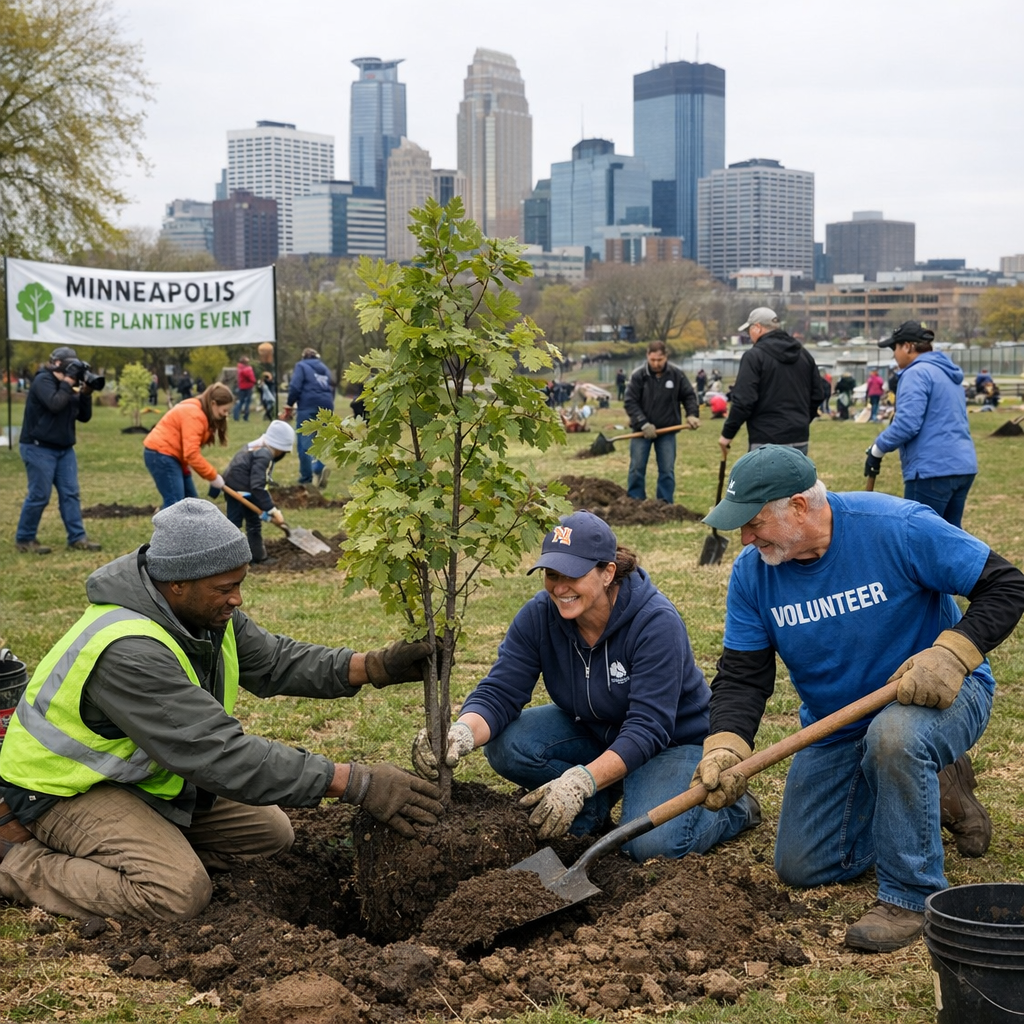
Launched in 2024, the Climate Legacy Initiative allocates resources toward projects that enhance community resilience. This includes expanding the urban tree canopy, investing in renewable energy, and creating green job opportunities, particularly in neighborhoods that have historically faced environmental injustices.
How Residents Can Contribute
Community involvement is crucial in addressing climate change. Residents can participate by:
- Utilizing public transportation, biking, or walking to reduce personal carbon footprints.
- Engaging in local tree-planting programs to enhance urban greenery.
- Supporting local renewable energy initiatives and considering energy-efficient upgrades in homes.
- Staying informed about city programs and providing input to ensure that climate actions reflect community needs.
By understanding the local impacts of climate change and actively participating in community initiatives, Minneapolis residents can contribute to building a more resilient and sustainable city for future generations.