

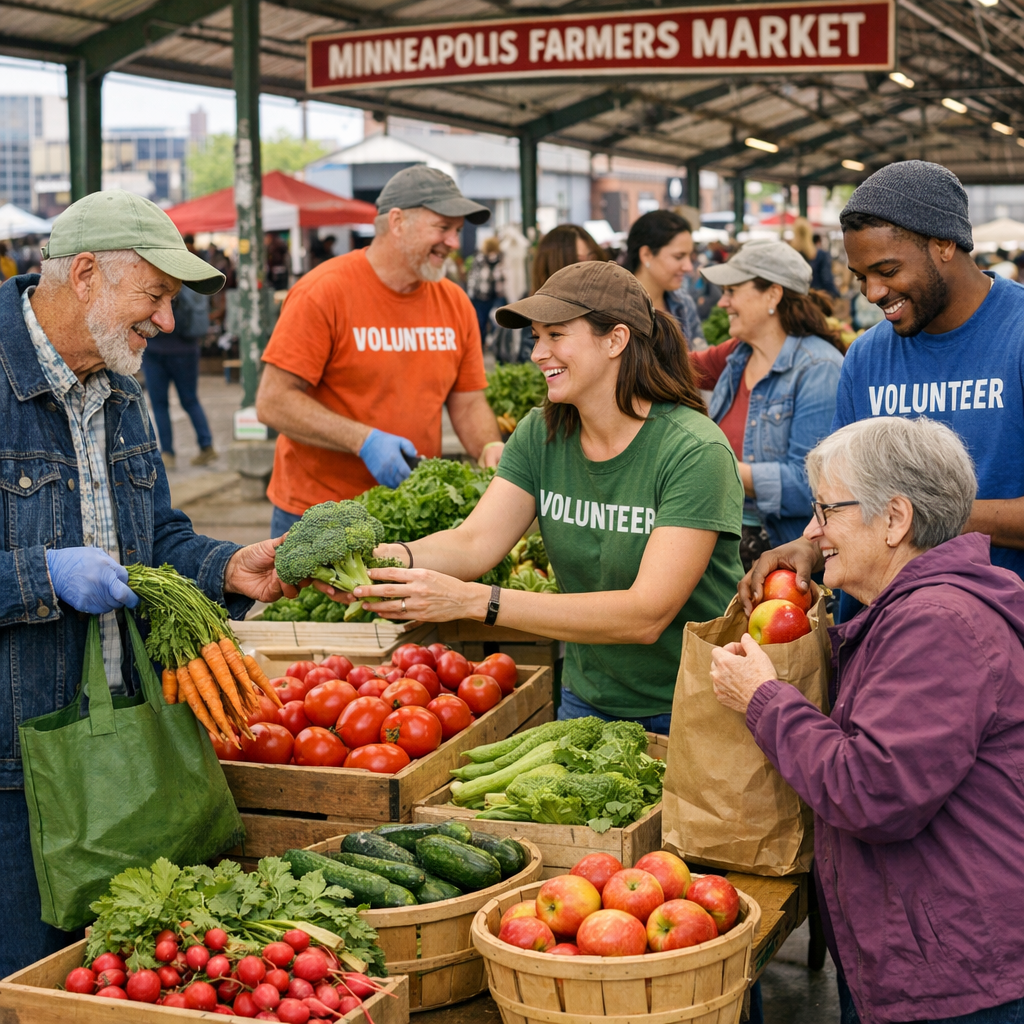
Access to nutritious food is a fundamental right, yet many Minneapolis residents face challenges in obtaining healthy options. In response, several local organizations have launched initiatives to combat food insecurity and promote community well-being.
Homegrown Minneapolis: A Citywide Effort
Homegrown Minneapolis is a citywide initiative aimed at increasing residents’ access to healthy, sustainable, and locally grown food. The program focuses on various aspects of the local food system, including growing, processing, distributing, eating, and composting. By supporting community gardens and farmers markets, Homegrown Minneapolis empowers residents to participate actively in their food choices.
The Camden Collective: Empowering Northside Residents
Operating in North Minneapolis, The Camden Collective focuses on building community connections by providing free food distribution services. Their weekly programs offer fresh produce, meats, dairy, and shelf-stable items to hundreds of families. The organization also hosts community events and employs local youth, fostering a sense of empowerment and self-sufficiency among residents.
BrightSide Produce: Bringing Fresh Food to Corner Stores
BrightSide Produce partners with urban corner stores in Minneapolis and St. Paul to deliver fresh fruits and vegetables to neighborhoods with limited grocery options. This initiative ensures that families can find affordable, high-quality produce within their communities, effectively reducing food deserts in the Twin Cities.
Minneapolis Edible Boulevards: Transforming Public Spaces
Minneapolis Edible Boulevards is dedicated to dismantling food apartheid policies by converting grassy areas between sidewalks and streets into productive gardens. By teaching residents how to grow their own food in these spaces, the initiative promotes self-sustainability and community sharing, creating a network of accessible fresh produce throughout the city.
GMCC’s Food Distribution Initiatives: Addressing Immediate Needs
The Greater Minneapolis Council of Churches (GMCC) has been actively involved in food distribution efforts, especially during times of crisis. Their programs include pop-up food shelves and hot meal distributions, ensuring that individuals and families have access to nutritious food when they need it most.
These initiatives exemplify the power of community-driven solutions in addressing food insecurity. By fostering collaboration and empowering residents, Minneapolis is making significant strides toward a more equitable and sustainable food system.