

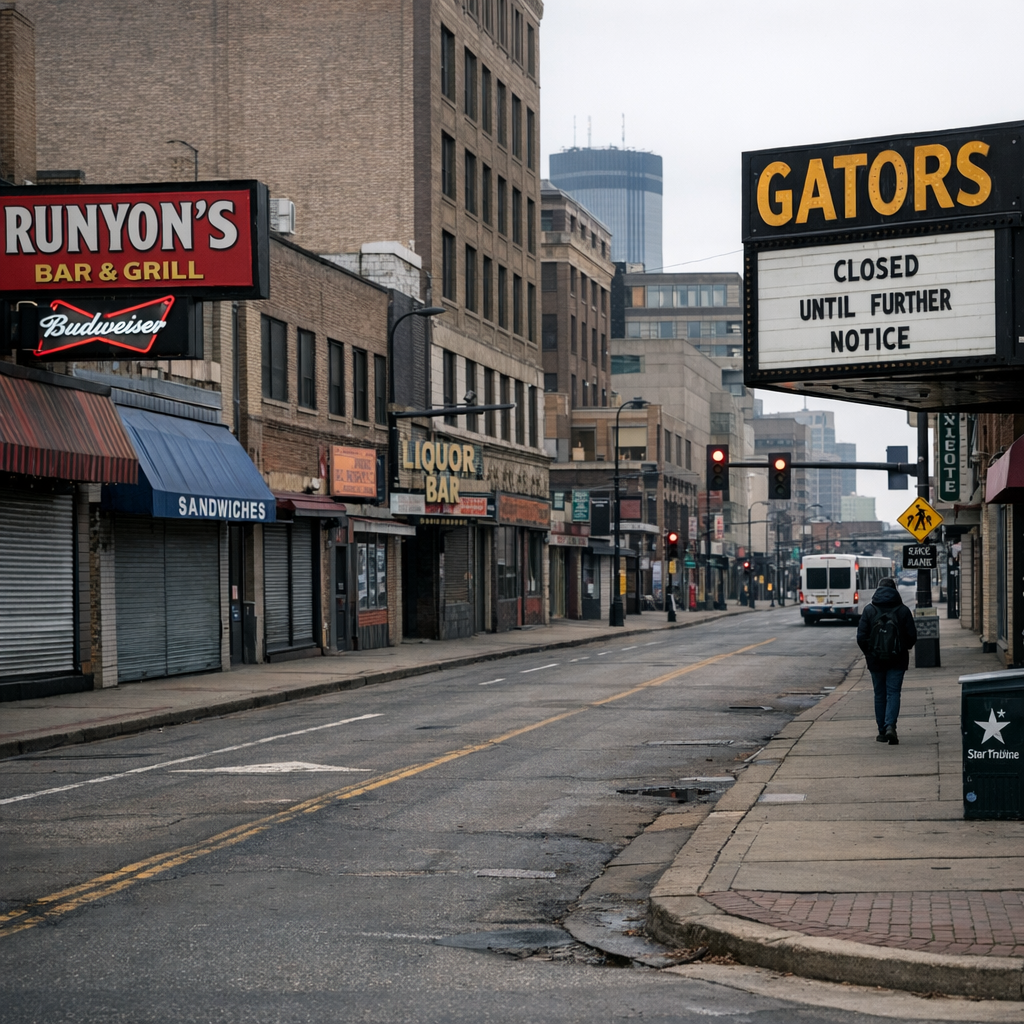
In recent months, Minneapolis has experienced profound disruptions due to Operation Metro Surge, a large-scale federal immigration enforcement initiative. This operation has had far-reaching effects on the city’s economy, local businesses, and community well-being.
Economic Impact
The City of Minneapolis reported that Operation Metro Surge resulted in an estimated $203 million in economic losses. These losses encompass decreased wages, reduced business revenues, and increased demands for social services. Notably, the hospitality sector faced significant challenges, with 19 major hotels reporting over $4.7 million in revenue losses due to more than 13,500 room night cancellations. This downturn has led to substantial wage losses for hotel employees and a ripple effect on related industries.
Business Closures and Community Struggles
Local businesses, particularly those in immigrant communities, have been severely impacted. For instance, establishments in the Midtown Global Market have reported a 40% decline in customer traffic, leading to potential closures. Business owners have noted that both employees and customers are hesitant to venture out due to the heightened presence of federal agents, further exacerbating the economic strain.
Community Response and Protests
The operation has also sparked widespread community unrest. Demonstrations and protests have been a regular occurrence, with many residents expressing concerns over the methods and implications of the enforcement actions. The majority of these protests have been peaceful, reflecting the community’s desire to voice their concerns while maintaining public safety.
Looking Ahead
As Minneapolis continues to navigate the aftermath of Operation Metro Surge, the focus remains on rebuilding the local economy, supporting affected businesses, and fostering community cohesion. The resilience of Minneapolis residents and their commitment to inclusivity and support for one another will be crucial in the city’s recovery process.