

The U.S. economy is currently experiencing a period of significant change, marked by fluctuations in employment, rising inflation, and increasing energy costs. These developments have far-reaching implications for individuals and businesses alike.
Employment Trends
Recent data indicates a downturn in the job market. February saw a loss of 92,000 jobs, with previous months’ figures also being revised downward. Notably, the unemployment rate for U.S.-born workers has risen over the past year, reaching 4.7% from 4.4%. This trend suggests that the anticipated benefits of immigration policies on employment have yet to materialize.
Inflation and Energy Prices
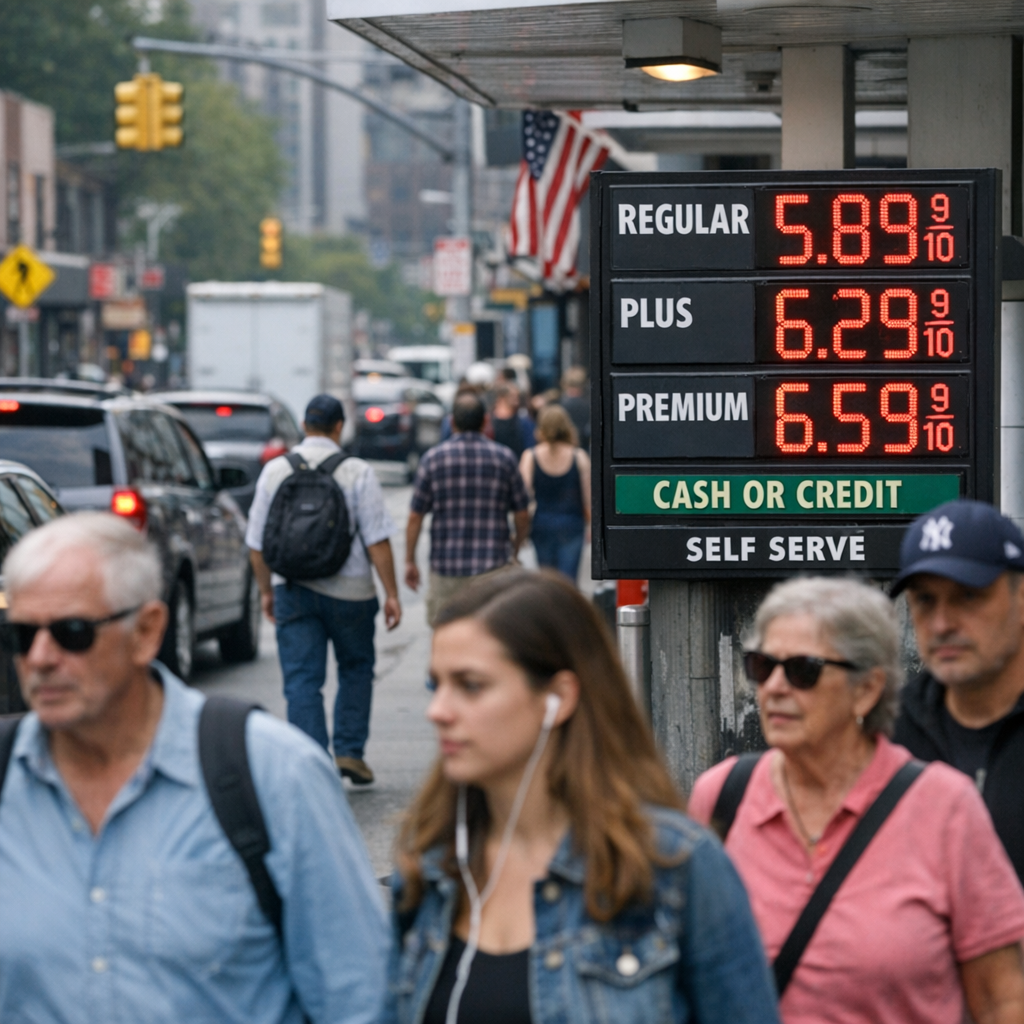
Inflation has become a pressing concern, with the Consumer Price Index rising to 3.8% in April, the highest in three years. A significant contributor to this increase is the surge in energy costs. The ongoing conflict with Iran has led to the closure of the Strait of Hormuz, a critical passage for global oil shipments. Consequently, national average gas prices have exceeded $4.50 per gallon, with some states experiencing prices above $5. This escalation in fuel costs has a cascading effect on the prices of goods and services, further straining household budgets.
Public Sentiment and Economic Outlook
Public confidence in the current economic policies appears to be waning. A recent CBS News/YouGov poll revealed that 70% of Americans feel “angry” or “frustrated” about the administration’s handling of the economy. Only 11% expressed enthusiasm, and 19% reported satisfaction. Additionally, 65% of respondents believe that current policies are worsening the economy in the short term, with 50% concerned about long-term impacts. These sentiments underscore the need for responsive and effective economic strategies to address the challenges at hand.
As the nation navigates these economic shifts, it is crucial for policymakers to consider the multifaceted factors influencing the economy and to implement measures that promote stability and growth.