

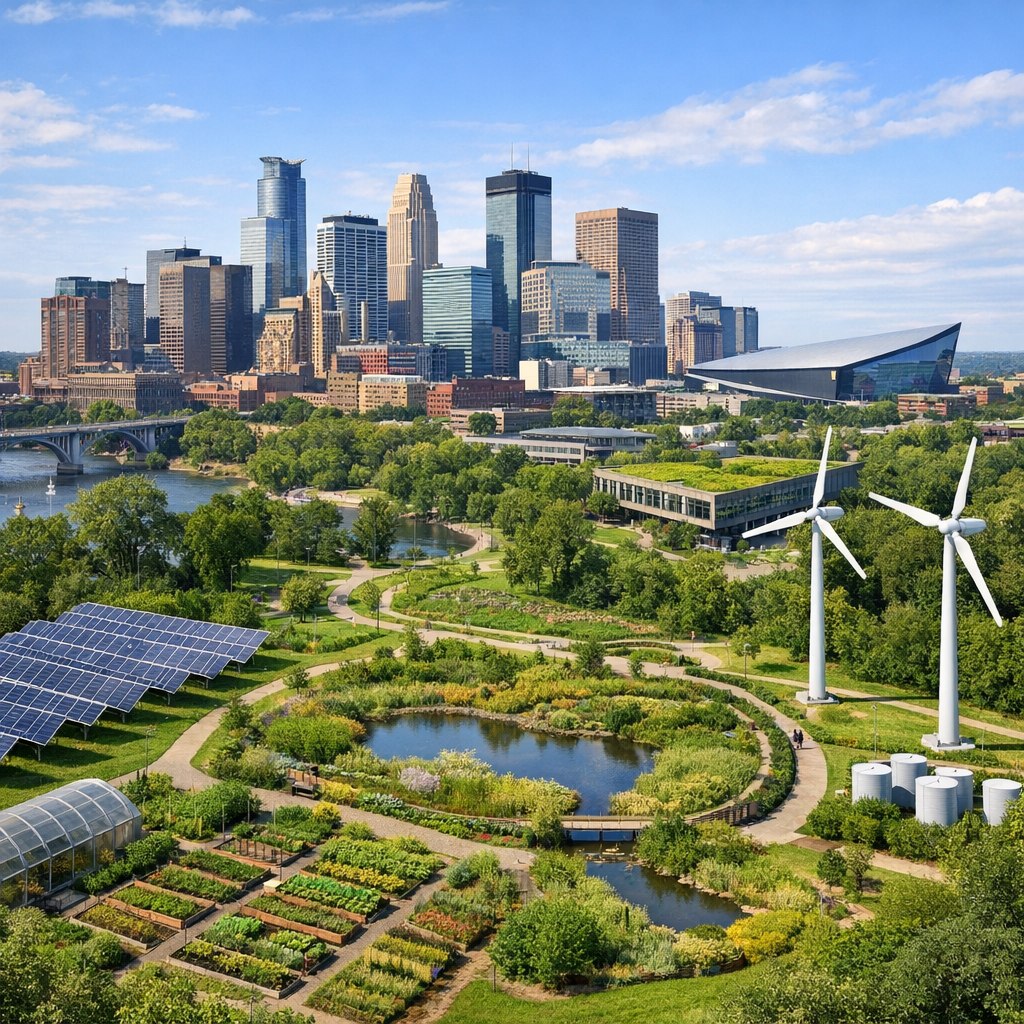
Minneapolis, known for its vibrant culture and picturesque lakes, is experiencing significant shifts due to climate change. These changes are not just environmental but also impact our daily lives, infrastructure, and local economy.
Rising Temperatures and Altered Precipitation
Over recent decades, Minneapolis has seen a notable increase in average temperatures, particularly during winter months. This warming trend has led to more frequent and intense precipitation events, resulting in challenges like urban flooding and strain on stormwater systems. Such conditions can damage infrastructure, disrupt transportation, and affect water quality.
Effects on Public Health and Natural Resources
The health of Minneapolis residents is also at risk. Warmer temperatures can exacerbate heat-related illnesses, especially among vulnerable populations. Additionally, our natural resources, including lakes and rivers, face threats from altered ecosystems and water quality issues, impacting both recreation and local wildlife.
City Initiatives and Community Involvement
In response, the City of Minneapolis has implemented several initiatives aimed at mitigating and adapting to climate change. The Climate Equity Plan, adopted in 2023, sets ambitious goals to reduce greenhouse gas emissions and achieve carbon neutrality by 2050. This plan emphasizes environmental justice, aiming to support communities most affected by climate change.
Furthermore, the Climate Legacy Initiative, launched in 2024, focuses on funding projects that enhance community resilience, particularly in areas most vulnerable to climate impacts. These efforts include expanding green infrastructure, promoting renewable energy, and improving public transportation options.
Community involvement is crucial in these endeavors. Residents are encouraged to participate in local programs, adopt sustainable practices, and stay informed about climate-related developments. By working together, we can build a more resilient and sustainable Minneapolis for future generations.