

The U.S. economy is experiencing a period of significant change, marked by fluctuations in employment rates, escalating fuel costs, and inflationary pressures. These developments are influencing both national policy and the daily lives of Americans.
Employment Trends
Recent data indicates a downturn in the job market. February saw a loss of 92,000 jobs, with previous months’ figures also being revised downward. This trend suggests a weakening in employment opportunities, raising concerns about the overall health of the labor market.
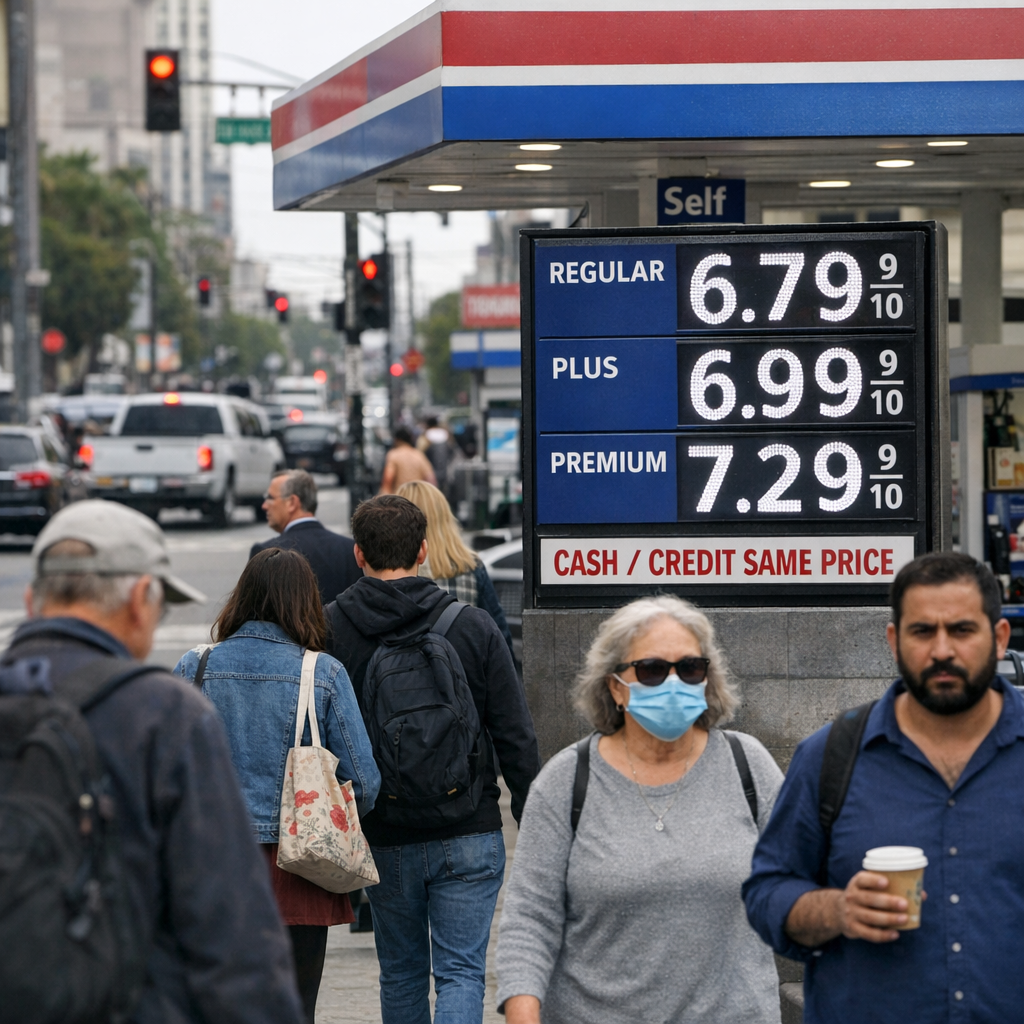
Rising Fuel Costs
Gasoline prices have surged, with the national average reaching $3.45 per gallon—a 19% increase over the past month. This spike is largely attributed to geopolitical tensions affecting global oil supply chains, leading to higher costs at the pump for consumers.
Inflation Concerns
Inflation has risen to 3.8% in April, the highest rate in three years. This increase is driven by higher energy costs and supply chain disruptions, impacting the purchasing power of consumers and adding pressure to household budgets.
Political Implications
These economic challenges are influencing the political landscape. A recent CBS News/YouGov poll reveals that 70% of Americans feel “angry” or “frustrated” with the current administration’s handling of the economy. This sentiment could have significant implications for upcoming elections, as economic performance often plays a pivotal role in voter decisions.
As the nation navigates these economic shifts, policymakers and citizens alike are seeking strategies to stabilize and strengthen the economy, aiming for sustainable growth and improved financial well-being for all Americans.