

As the United States continues to navigate a complex political and economic landscape, several recent developments have garnered national attention.
Political Climate and Public Sentiment
Recent polling indicates a significant level of public concern regarding the nation’s political system. Approximately one-third of Americans identify politics and government as the country’s most pressing issues. This anxiety is particularly pronounced among older demographics, while younger Americans tend to focus more on economic challenges such as housing affordability and basic needs. This generational divide mirrors trends observed in other high-income countries grappling with similar issues.
Economic Outlook
The U.S. economy is exhibiting signs of resilience amidst various challenges. The International Monetary Fund (IMF) projects a growth rate of 2.4% in the fourth quarter of 2026, an increase from 2.2% in the previous year. Unemployment rates are expected to decline from 4.5% in late 2025 to 4.1% in 2026, with inflation anticipated to align with the Federal Reserve’s 2% target by 2027. However, the IMF also cautions that substantial federal budget deficits pose a growing risk to economic stability.
Federal Reserve Leadership Transition
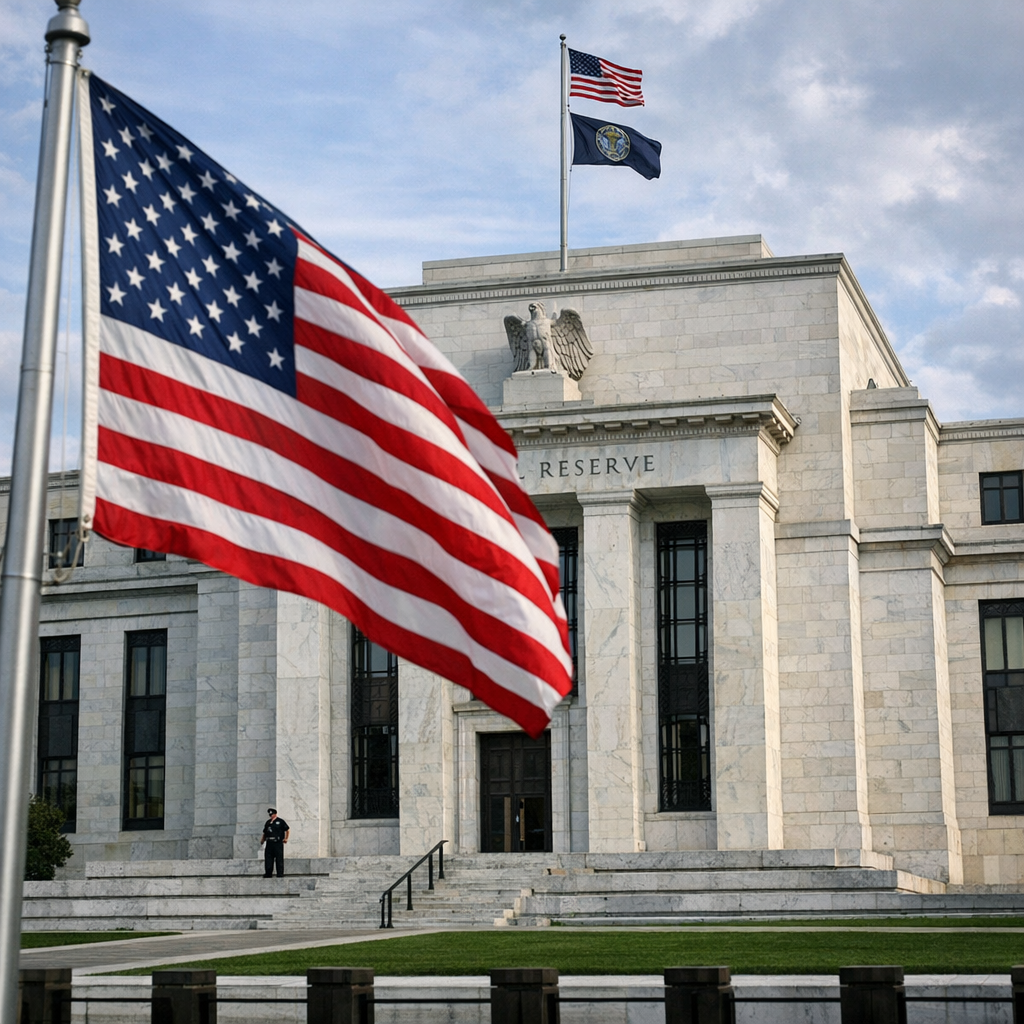
In a significant shift in monetary policy leadership, Kevin Warsh has been sworn in as the new Chair of the Federal Reserve, succeeding Jerome Powell. Warsh inherits a complex economic environment, with key challenges including managing inflation, addressing labor market dynamics, and navigating the impacts of recent trade policies. His approach to these issues will be closely monitored by both policymakers and the public.
Trade Policies and Tariffs
Trade policies continue to be a focal point of economic discourse. The Supreme Court recently struck down President Donald Trump’s reciprocal tariffs, introducing new uncertainties for consumers and businesses alike. This decision underscores the ongoing debates surrounding trade practices and their implications for the domestic economy.
As these developments unfold, it is crucial for citizens to stay informed and engaged, recognizing the interconnectedness of political decisions and economic outcomes.