

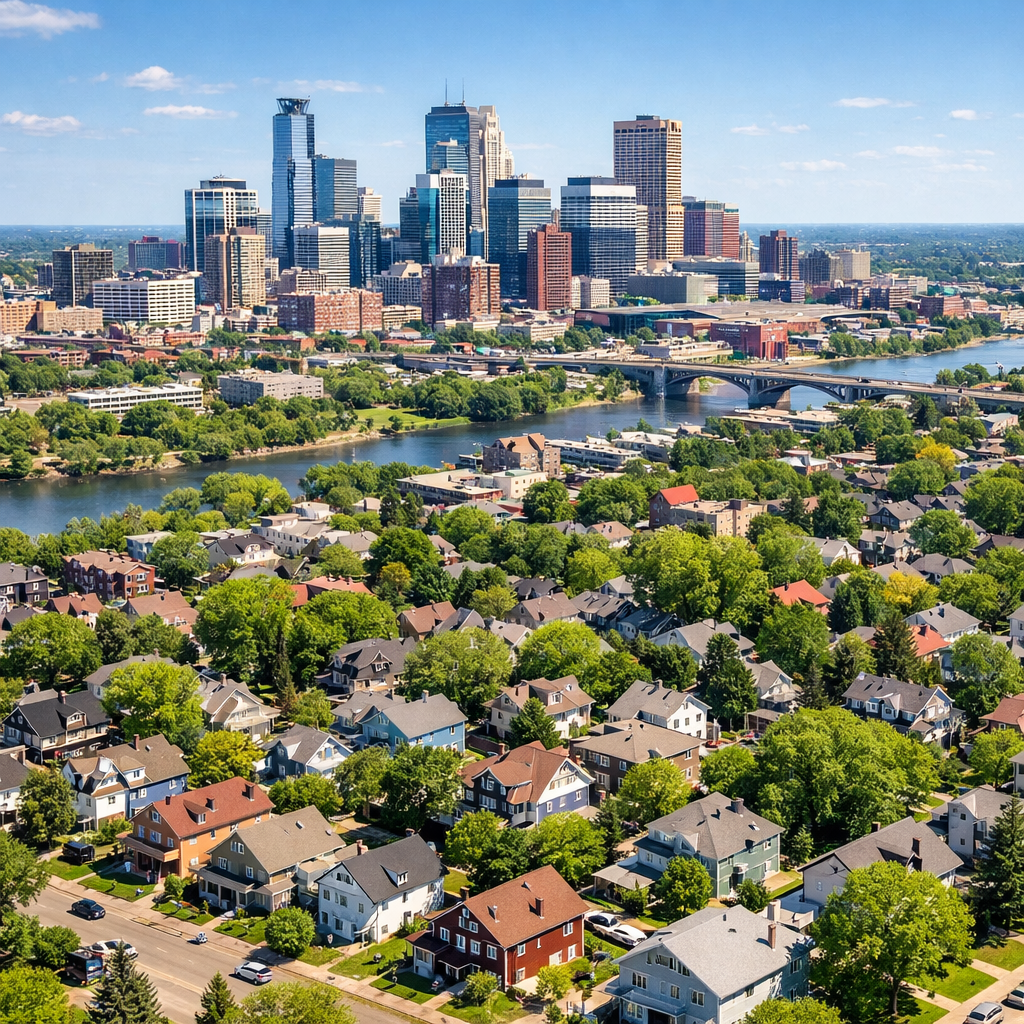
Minneapolis’ real estate market is experiencing notable shifts, presenting both challenges and opportunities for residents. Understanding these trends is essential for making informed decisions, whether you’re buying, selling, or renting.
Housing Market Trends
Recent data indicates a dynamic housing market in Minneapolis. In March 2026, the median sale price of homes reached $355,000, marking a 6% increase from the previous year. Homes are selling faster, averaging 30 days on the market compared to 32 days last year. However, the number of homes sold decreased to 315 from 362 in the same period, suggesting a tightening inventory.
Conversely, some reports highlight a decline in median listing prices, with a nearly 9% year-over-year drop in March 2026. This discrepancy underscores the importance of localized market analysis, as trends can vary by neighborhood and property type.
Rental Market Insights
The rental market in Minneapolis is also evolving. As of April 2026, the average rent for an apartment is $1,683, reflecting a 1.47% increase from the previous year. Studio apartments average $1,204, while one-bedroom units are around $1,500. Two-bedroom apartments command higher rents, averaging $2,070.
Despite these increases, Minneapolis remains more affordable than the national average, with rents approximately 14% lower. This affordability continues to attract renters seeking urban living without the high costs associated with other major cities.
Development and Inventory Challenges
A recent report from the Federal Reserve Bank of Minneapolis warns of a growing housing shortage in the Twin Cities. In 2025, only 12,161 housing units were constructed, a significant decline from the over 18,000 units built annually between 2019 and 2022. This slowdown in development is contributing to rising rents and home prices, potentially impacting the region’s housing affordability.
Developers cite high construction costs, rising interest rates, and limited rent growth as factors hindering new projects. While single-family home production has remained relatively stable, the slowdown in apartment development is particularly concerning for renters.
Implications for Residents
For prospective homebuyers, the current market offers both opportunities and challenges. While some data suggests rising home prices, other reports indicate potential price declines, emphasizing the need for thorough research and possibly consulting with local real estate professionals.
Renters should be aware of the gradual increase in rental prices and the potential for a tightening market due to limited new developments. Exploring various neighborhoods and considering different housing options may provide more affordable choices.
Overall, staying informed about local market trends and being prepared to act swiftly can help residents navigate Minneapolis’ evolving real estate landscape effectively.