

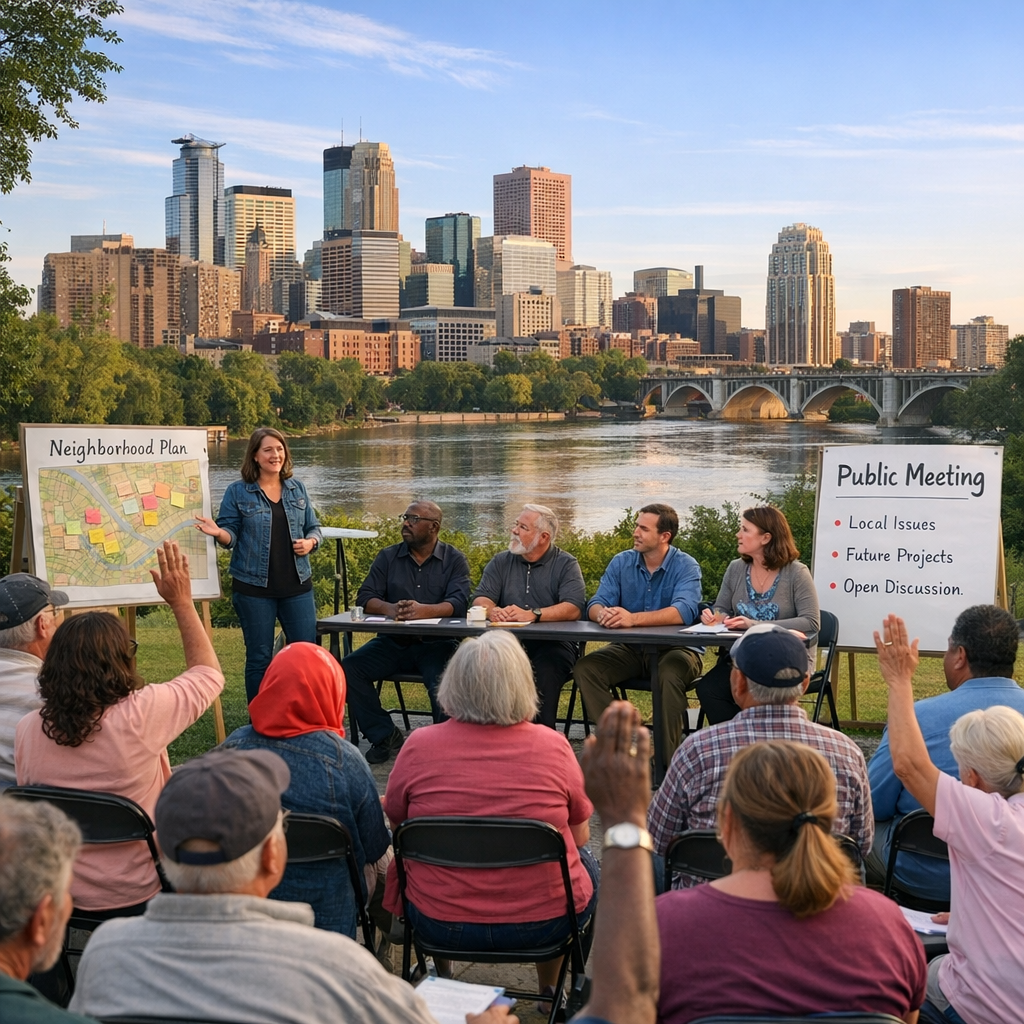
Minneapolis is navigating a period of significant change, marked by leadership transitions and pressing community challenges. These developments underscore the city’s need for stability and effective governance.
Leadership Transitions in Public Safety
On May 26, 2026, Police Chief Brian O’Hara resigned following an external investigation that found he interfered with an internal probe into allegations of inappropriate workplace conduct. Mayor Jacob Frey stated that the investigation substantiated O’Hara’s behavior, leading to his resignation. This departure adds to the instability within the city’s public safety leadership, especially as Community Safety Commissioner Todd Barnette faces uncertain council support for his continuation in the role.
Economic and Social Impacts of Operation Metro Surge
Earlier this year, the city experienced significant disruptions due to Operation Metro Surge, a federal immigration enforcement initiative. The operation resulted in an estimated $203.1 million in economic impact, including losses to workers, businesses, and increased demands on food and housing assistance programs. Approximately 76,000 residents, primarily from immigrant and minority communities, required urgent assistance in the aftermath.
Housing Shortage and Affordability Concerns
A recent report from the Minneapolis Federal Reserve Bank highlights a growing housing shortage in the Twin Cities. In 2025, only 12,161 housing units were constructed, a sharp decline from previous years. This slowdown contributes to rising rents and home prices, threatening the region’s reputation for housing affordability. Developers cite high construction costs, rising interest rates, and limited rent growth as factors affecting new housing development.
City Council Actions and Policy Debates
The Minneapolis City Council has been active in addressing various issues. In March, the council approved $2.8 million in emergency rental assistance to support residents facing housing insecurity. However, efforts to extend the pre-eviction notice period from 30 to 60 days were unsuccessful, as Mayor Frey’s veto of the proposal was sustained by a 7–6 vote, falling short of the nine votes needed to override.
Additionally, the council has been involved in debates over the Office of Community Safety (OCS). Established in 2022 to lead police reform and promote alternatives to traditional policing, the OCS has faced criticism from some council members regarding its management and effectiveness. Discussions continue on the future direction and leadership of the department.
Looking Ahead
As Minneapolis confronts these challenges, city leaders and community members are calling for collaborative efforts to address public safety, economic stability, and housing affordability. The path forward will require transparent governance, community engagement, and a commitment to equitable solutions that serve all residents.