

As the nation approaches the midterm elections, Americans are grappling with economic challenges and political developments that are shaping the national discourse.
Economic Concerns
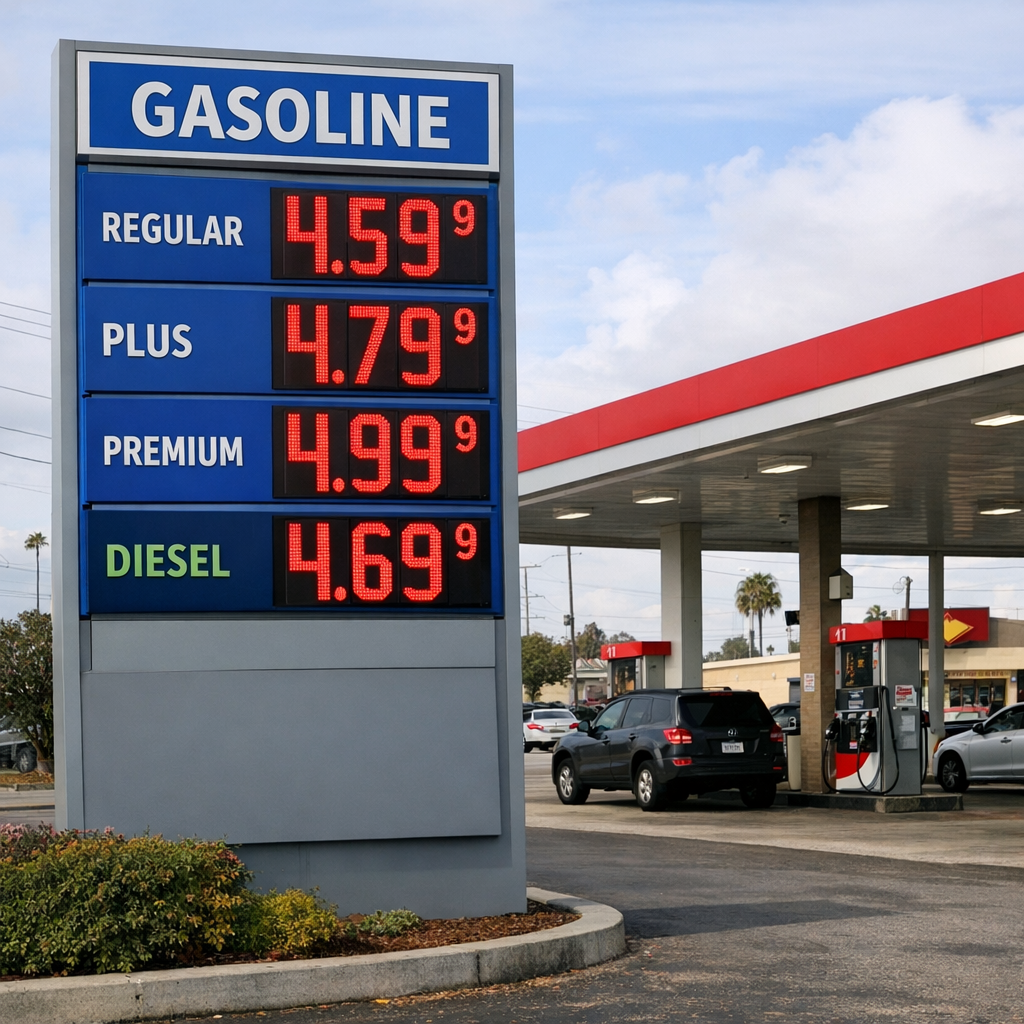
Recent polls indicate a growing dissatisfaction with the current administration’s economic policies. A CBS News/YouGov survey found that 70% of Americans feel “angry” or “frustrated” about the handling of the economy. This sentiment is largely driven by rising energy costs, with national average gas prices exceeding $4.50 per gallon, and inflation reaching 3.8% in April, the highest in three years.
Political Developments
In the political arena, President Trump has announced that the U.S. and Iran are “getting a lot closer” to finalizing a deal to end the ongoing conflict. However, questions remain about the concessions involved and the long-term implications of such an agreement.
Domestically, the administration is facing internal challenges. Director of National Intelligence Tulsi Gabbard has resigned, citing personal reasons related to her husband’s health. This departure adds to the list of high-profile exits from the administration in recent months.
Looking Ahead
With the midterm elections on the horizon, both economic and political factors are likely to play significant roles in shaping voter sentiment. The administration’s handling of these issues will be closely scrutinized as the nation moves forward.