
Recent developments in the United States have brought economic challenges and political changes to the forefront, affecting both national policy and public opinion.
Economic Challenges Amid Rising Inflation
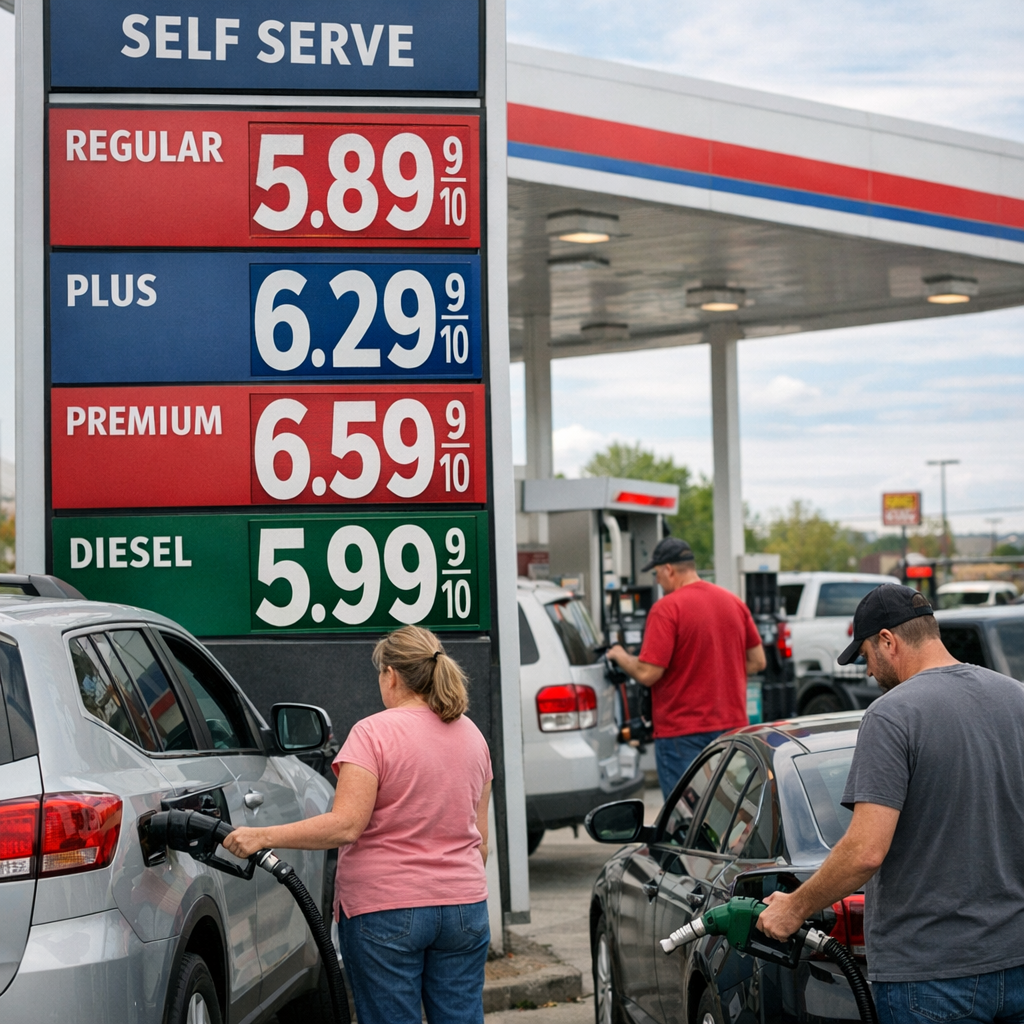
Inflation has become a pressing concern for many Americans. In April, the inflation rate reached 3.8%, the highest in three years. This increase has been attributed to various factors, including escalating energy costs following the military conflict with Iran that began in February. The closure of the Strait of Hormuz has led to a surge in energy prices, with average gas prices exceeding $4.50 per gallon nationally and some states experiencing prices above $5. These economic pressures have resulted in declining confidence in current economic policies, with a significant portion of the population expressing dissatisfaction.
Political Developments and Public Sentiment
Political dynamics are also shifting. A recent CBS News/YouGov poll indicates that 70% of Americans feel “angry” or “frustrated” about the handling of the economy. This sentiment could have implications for upcoming elections, as economic issues often play a pivotal role in voter decisions. Additionally, the resignation of Director of National Intelligence Tulsi Gabbard, citing personal reasons, has introduced further changes within the administration.
Looking Ahead
As the nation navigates these economic and political challenges, the coming months will be crucial in determining the direction of U.S. policy and public sentiment. The interplay between economic performance and political leadership will likely continue to shape the national discourse.