

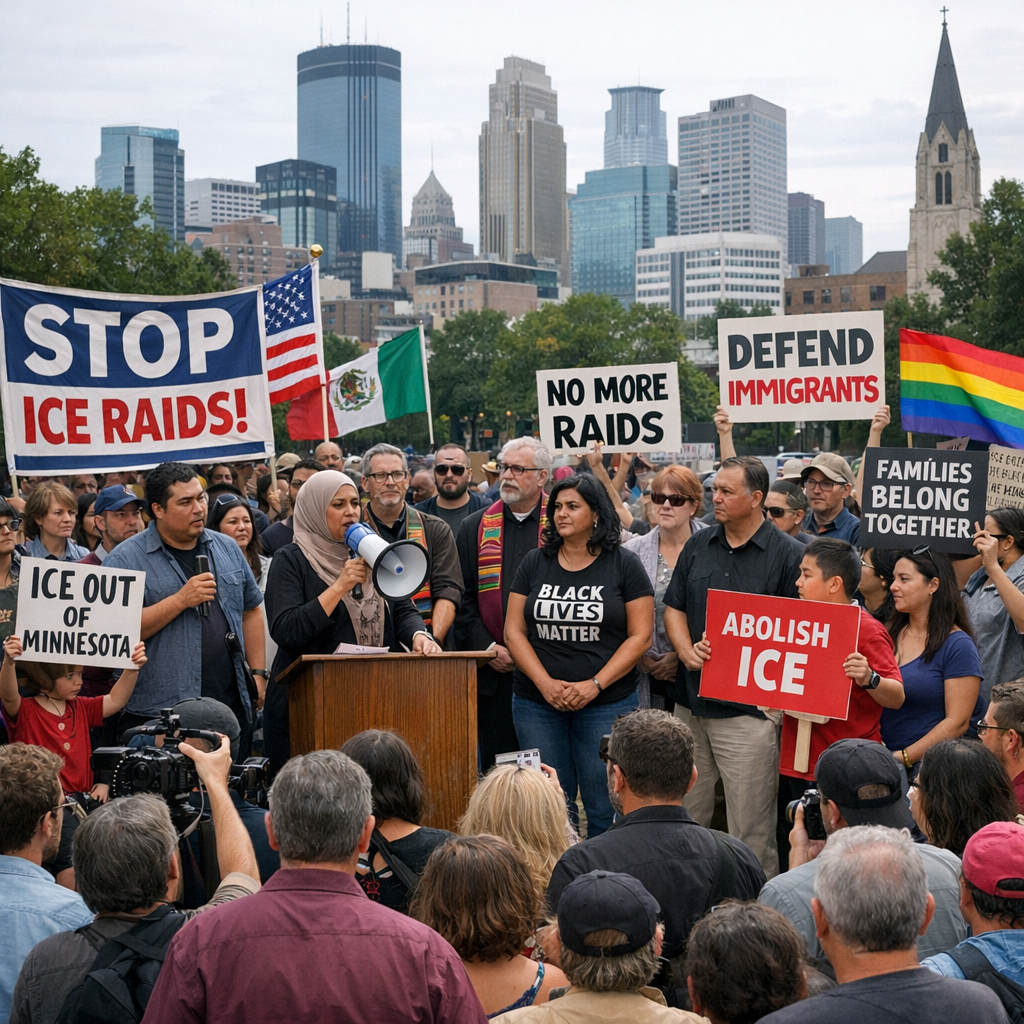
In the wake of Operation Metro Surge, Minneapolis is confronting profound economic and social repercussions. The federal immigration enforcement initiative, which commenced in late 2025, has led to widespread disruptions across the city.
Economic Impact
City officials estimate that the operation has resulted in at least $203.1 million in economic losses. This figure encompasses $81 million in revenue declines for local businesses and restaurants, $47 million in lost wages as residents avoided work due to safety concerns, and $4.7 million in hotel cancellations extending into the summer months. Additionally, approximately 76,200 individuals are experiencing food insecurity linked to the operation’s effects.
Community and Social Effects
The surge has also strained community resources and heightened social tensions. Reports indicate a significant reduction in client contact by mental health service providers, as families avoid public systems out of fear. Schools have noted increased absenteeism among students, and healthcare providers report delays in patients seeking necessary medical care.
City’s Response
In response to these challenges, Mayor Jacob Frey and other city leaders have been vocal in their criticism of the operation. They have called for an immediate end to the surge and are seeking federal assistance to address the urgent humanitarian needs arising from the crisis. The city remains committed to supporting affected families and businesses, upholding its separation ordinance, and advancing recovery efforts across priority sectors.
Looking Ahead
As Minneapolis navigates the aftermath of Operation Metro Surge, the focus is on rebuilding and strengthening community resilience. The city is working to provide resources, including food and rental assistance, legal support, and health services, to those impacted. Leaders emphasize the importance of transparency, community engagement, and policy reforms to prevent similar crises in the future.