
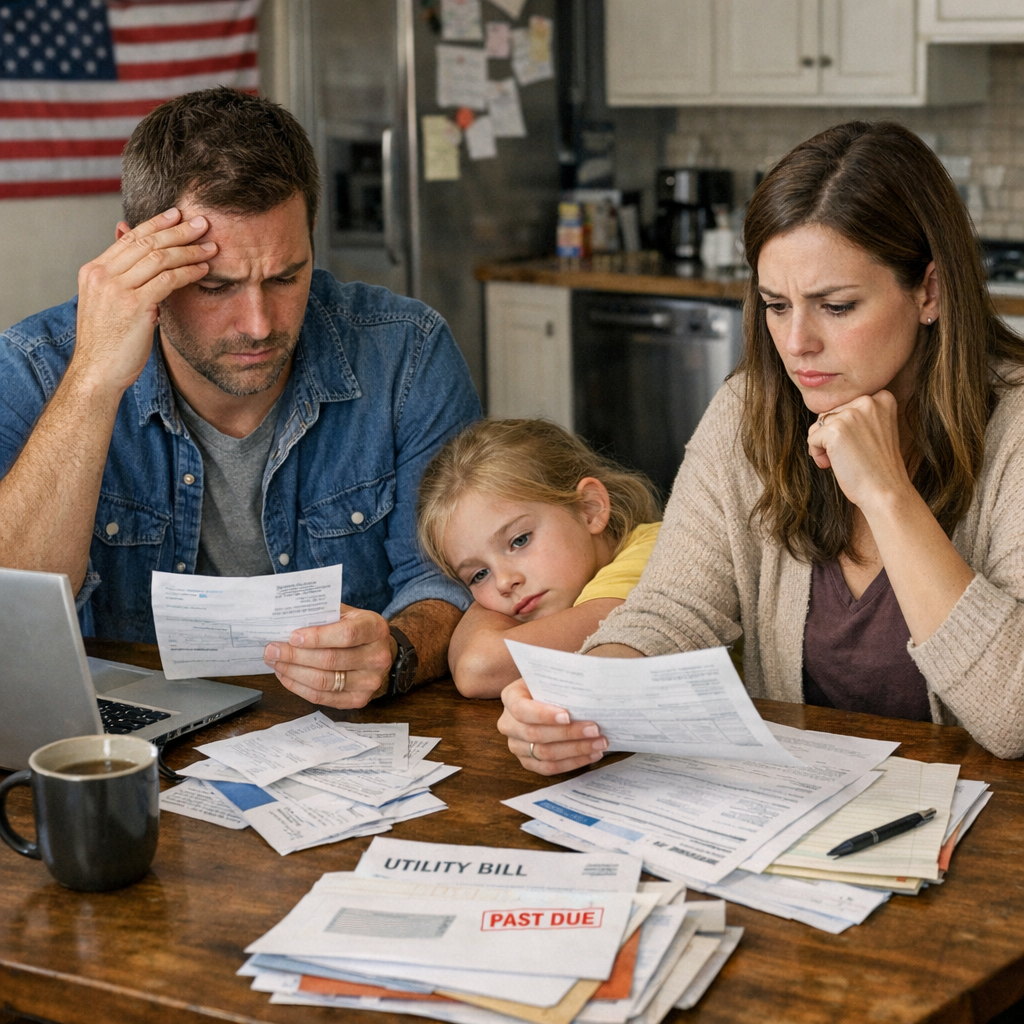
As Americans grapple with economic challenges, recent developments have intensified concerns about financial stability and the broader economic landscape.
Rising Inflation and Economic Indicators
Inflation has surged to 3.8% in April 2026, marking the highest rate in three years. This uptick is attributed to factors such as the ongoing conflict in Iran, which has led to elevated oil prices, and recent tariff policies. These elements have contributed to increased costs for consumers, with average gas prices exceeding $4.50 per gallon nationally, and some states experiencing prices above $5.
Public Sentiment and Political Implications
A CBS News/YouGov poll conducted between May 13-15, 2026, reveals that 70% of Americans feel “angry” or “frustrated” with the current administration’s handling of the economy. This growing dissatisfaction poses challenges for policymakers as they navigate the complexities of economic recovery and public trust.
Impact on Local Communities
In Minneapolis, residents are feeling the effects of these national economic trends. Rising fuel costs have increased transportation expenses, affecting daily commutes and the delivery of goods and services. Local businesses are also grappling with higher operational costs, which may lead to price adjustments and impact consumer spending patterns.
Looking Ahead
As the nation approaches the midterm elections, economic issues remain at the forefront of public discourse. Voters are seeking solutions that address inflation, wage stagnation, and the broader economic challenges that impact their daily lives. The coming months will be crucial in determining the direction of economic policy and its effects on communities across the country.