
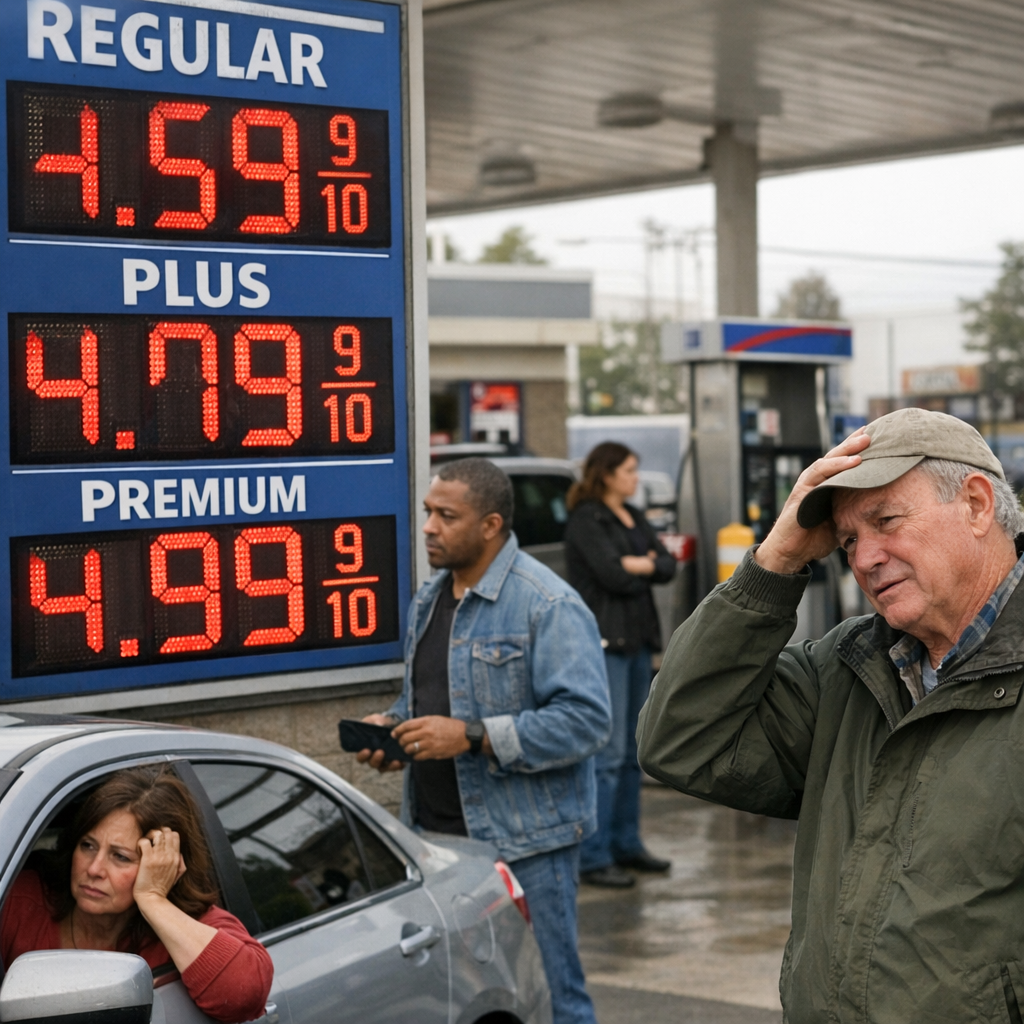
As the nation grapples with economic challenges, recent developments have intensified concerns among Americans. Inflation has surged to 3.8% in April, driven by escalating gas prices now averaging over $4.50 per gallon. This uptick is largely attributed to the ongoing conflict in Iran, which has disrupted global oil supplies.
Compounding the issue, wage growth has failed to keep pace with rising prices for the first time in three years, diminishing the purchasing power of many households. Consequently, consumers are increasingly relying on credit, leading to a significant rise in borrowing.
Public sentiment reflects this economic strain. A recent poll indicates that 70% of Americans disapprove of the current administration’s handling of the economy, with many expressing frustration and anger.
In response, the administration has proposed measures such as tax cuts and deregulation to stimulate growth. However, these initiatives face skepticism from both the public and some policymakers.
As the midterm elections approach, the economic landscape remains a pivotal issue. Voters are closely monitoring how these challenges are addressed, understanding that the outcomes will have lasting impacts on their financial well-being and the nation’s economic stability.