

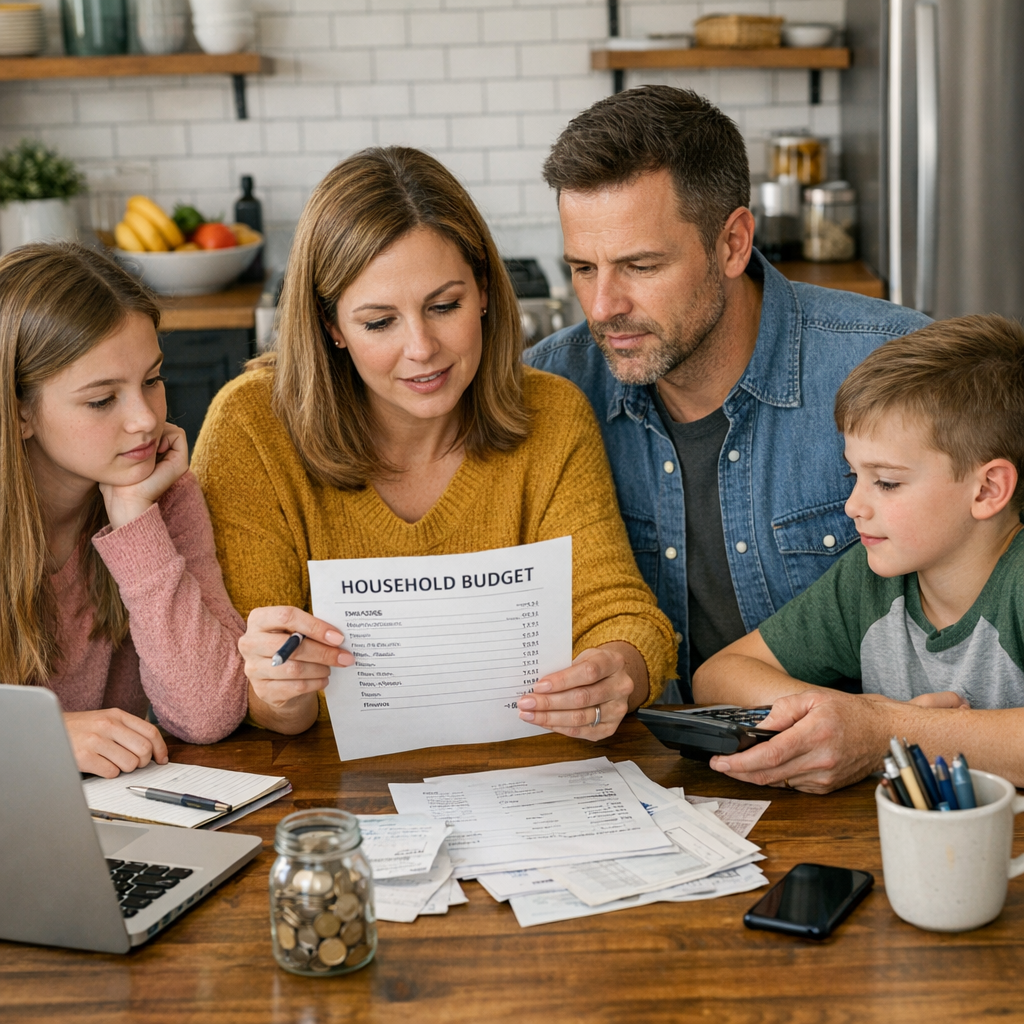
Recent developments in the U.S. economy have presented a complex picture, with stock markets reaching new highs while many Americans face financial strain. A recent survey indicates that approximately two-thirds of Americans are reducing their spending due to persistent inflation and elevated gas prices. The Conference Board’s Consumer Confidence Index dipped slightly to 93.1 in May, reflecting these concerns.
Despite the stock market’s robust performance, the benefits appear unevenly distributed. Higher-income households, buoyed by rising stock prices, maintain optimism, whereas lower-income Americans are grappling with increased living costs. This disparity suggests a ‘K-shaped’ economic recovery, where different segments of the population experience divergent financial realities.
Inflation has risen to 3.8% in April, the highest in three years, outpacing wage growth and leading to a decline in inflation-adjusted earnings. This trend has resulted in a downturn in real retail sales, as consumers cut back on non-essential items and delay significant purchases.
Economic uncertainty, potentially linked to international conflicts, and a weakening perception of the job market are further dampening public sentiment, even though unemployment remains low. These factors are also contributing to slipping public support for President Trump’s economic agenda, posing political challenges ahead of the midterms.
In response to these challenges, President Trump has emphasized the strength of the stock market and low unemployment rates. However, public confidence in the economy has declined, with a Gallup poll revealing that only 16% of voters believe the economy is performing well, while 75% feel conditions are deteriorating. This sentiment reflects the tangible impact of rising costs on everyday Americans.
As the nation navigates these economic complexities, it is crucial for policymakers to address the disparities in economic recovery and implement measures that support all Americans, ensuring a more equitable and sustainable economic future.