

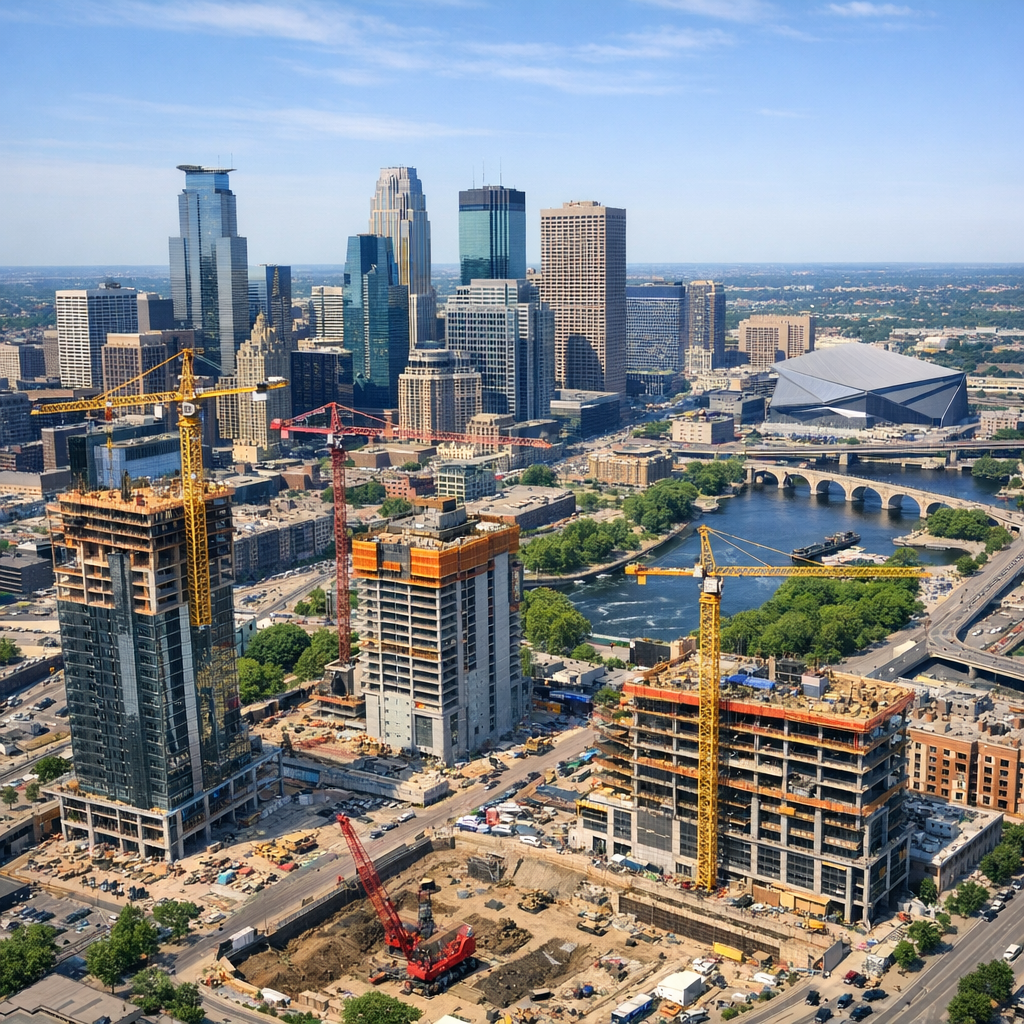
Minneapolis’ real estate market is experiencing notable shifts, presenting both challenges and opportunities for buyers, sellers, and investors. Understanding these trends is essential for making informed decisions.
Current Market Trends
As of March 2026, the median sale price for homes in Minneapolis reached $355,000, marking a 6% increase from the previous year. Homes are selling faster, averaging 30 days on the market compared to 32 days last year. However, the number of homes sold decreased to 315 in March, down from 362 the previous year. This suggests a competitive market with limited inventory.
Inventory and Pricing Dynamics
In April 2026, active listings in Minneapolis rose to 855 homes, an 18.8% increase year-over-year, providing buyers with more options. Despite this, the median list price dipped to $309,950, a 3.9% decrease from the previous year. Notably, homes are selling quickly, with a median of 35 days on the market, indicating sustained demand.
Notable Development Projects
Several development projects are reshaping Minneapolis’ housing landscape:
Solstice Apartments
Located in Northeast Minneapolis, Solstice Apartments offers 23 one- and two-bedroom units designed with energy efficiency in mind. The project boasts a 30% reduction in construction emissions and 70% lower operating emissions, aligning with the city’s sustainability goals.
Allura
In North Minneapolis’ Webber-Camden neighborhood, Allura is a mixed-use development featuring 38 housing units, including 14 affordable and 24 luxury units. The project integrates essential services like a tech-enabled laundromat and a chef-led ghost kitchen, fostering community engagement and local entrepreneurship.
Minneapolis Grain Exchange Redevelopment
The historic Minneapolis Grain Exchange is set for a significant transformation. A proposed $123 million project aims to convert the site into a mixed-use development with 232 new apartments, contributing to downtown revitalization efforts.
Conclusion
Minneapolis’ real estate market is dynamic, characterized by rising home prices, increased inventory, and innovative development projects. Staying informed about these trends is crucial for navigating the evolving landscape effectively.