

As we navigate the complexities of the current U.S. economic landscape, several key developments have emerged that warrant attention.
Inflation and Federal Reserve Policies
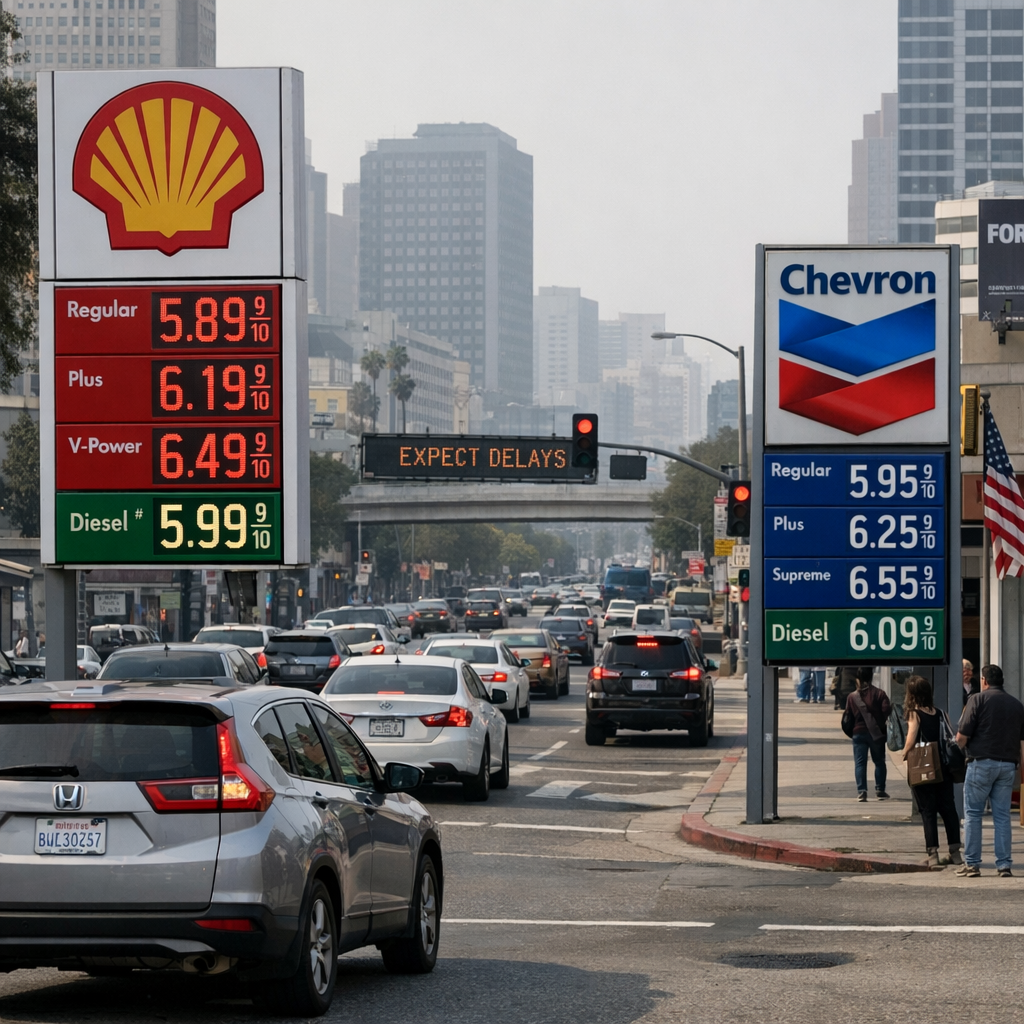
Recent data indicates a rise in inflation, with April’s rate reaching 3.8%, the highest in three years. This uptick is attributed to increased energy costs following the military conflict with Iran, which led to the closure of the Strait of Hormuz and a surge in gas prices exceeding $4.50 per gallon nationally. In response, the Federal Reserve has adjusted its benchmark interest rate to 3.4%, aiming to balance economic growth with inflation control.
Public Sentiment and Economic Outlook
A CBS News/YouGov poll conducted in mid-May reveals that 70% of Americans feel “angry” or “frustrated” about the current economic situation. This sentiment reflects concerns over rising living costs and economic uncertainty. The International Monetary Fund projects U.S. GDP growth at 2.4% for the fourth quarter of 2026, with unemployment expected to drop to 4.1%.
International Trade and Tariffs
Trade tensions continue to influence the economy. The Supreme Court recently struck down President Trump’s reciprocal tariffs, introducing new uncertainties for consumers and businesses. This decision underscores the ongoing challenges in international trade relations and their domestic implications.
Environmental Policies and Energy Sector
The Environmental Protection Agency has proposed delaying enforcement of regulations requiring significant cuts in vehicle emissions. This move has sparked debates on balancing environmental objectives with economic considerations, particularly in the energy sector.
Understanding these developments is crucial for making informed decisions in both personal and professional spheres. Staying informed and adaptable will be key as the economic landscape continues to evolve.