

The United States economy is currently experiencing a period of significant change, influenced by various domestic and international factors. Understanding these developments is crucial for individuals and businesses alike.
Economic Growth and Employment
Recent reports indicate that the U.S. economy is poised for accelerated growth, with projections suggesting a 2.4% increase in gross domestic product (GDP) by the end of the year. This growth is accompanied by a decrease in unemployment rates, which are expected to drop from 4.5% to 4.1%.
Inflation and Consumer Sentiment
Inflation has risen to 3.8% in April, marking its highest point in three years. This increase has led to growing economic anxiety among consumers, with a significant portion expressing frustration over the current economic policies. Notably, 70% of Americans report feeling “angry” or “frustrated” about the handling of the economy.
Energy Costs and International Relations
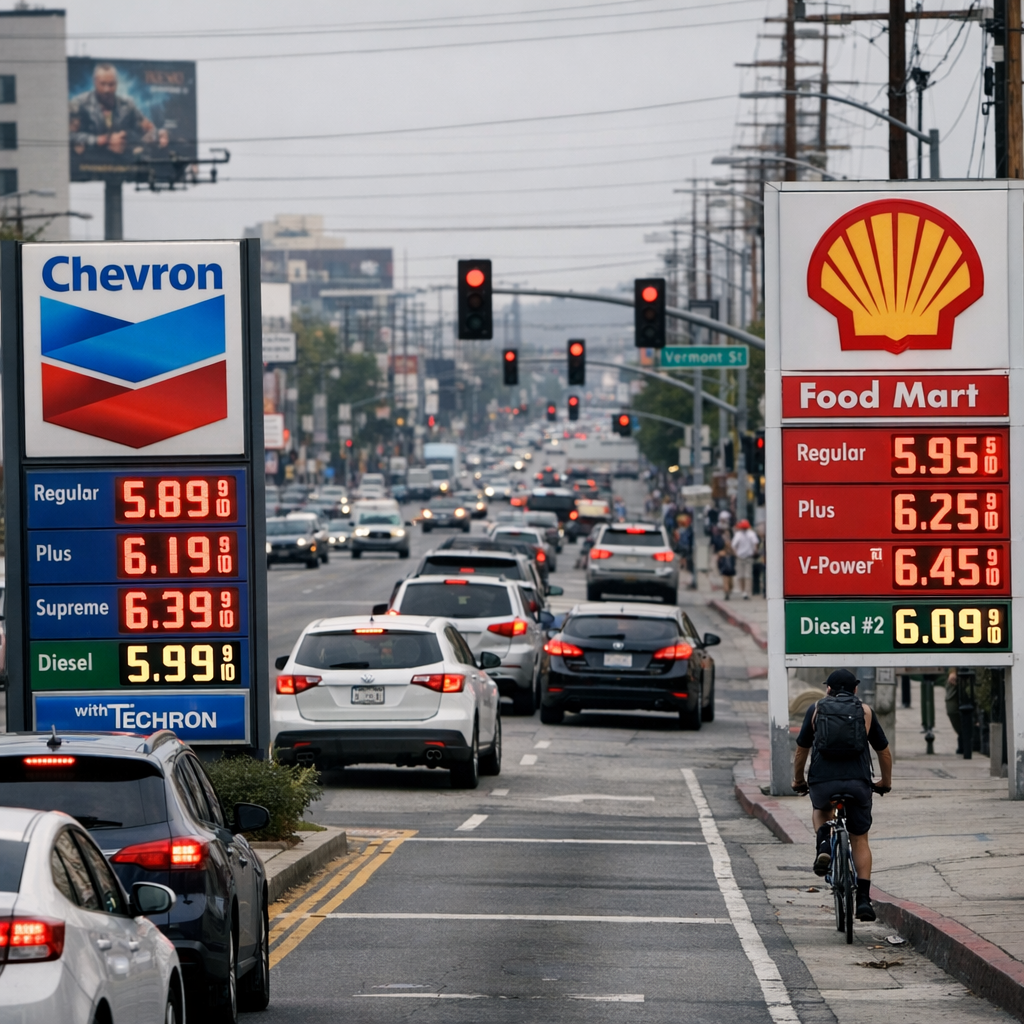
The recent military conflict with Iran has had a substantial impact on energy costs. The closure of the Strait of Hormuz has led to a surge in energy prices, with average gas prices exceeding $4.50 per gallon nationally. This escalation in energy costs has further strained household budgets and contributed to the overall economic unease.
Policy Responses and Future Outlook
In response to these challenges, the Federal Reserve has signaled continued economic support, including potential interest rate cuts. Additionally, discussions around implementing a gasoline tax holiday have emerged, though the proposal faces pushback from some key policymakers.
As the nation navigates these complex economic dynamics, staying informed and understanding the interplay between policy decisions and economic indicators will be essential for making informed personal and business decisions.