

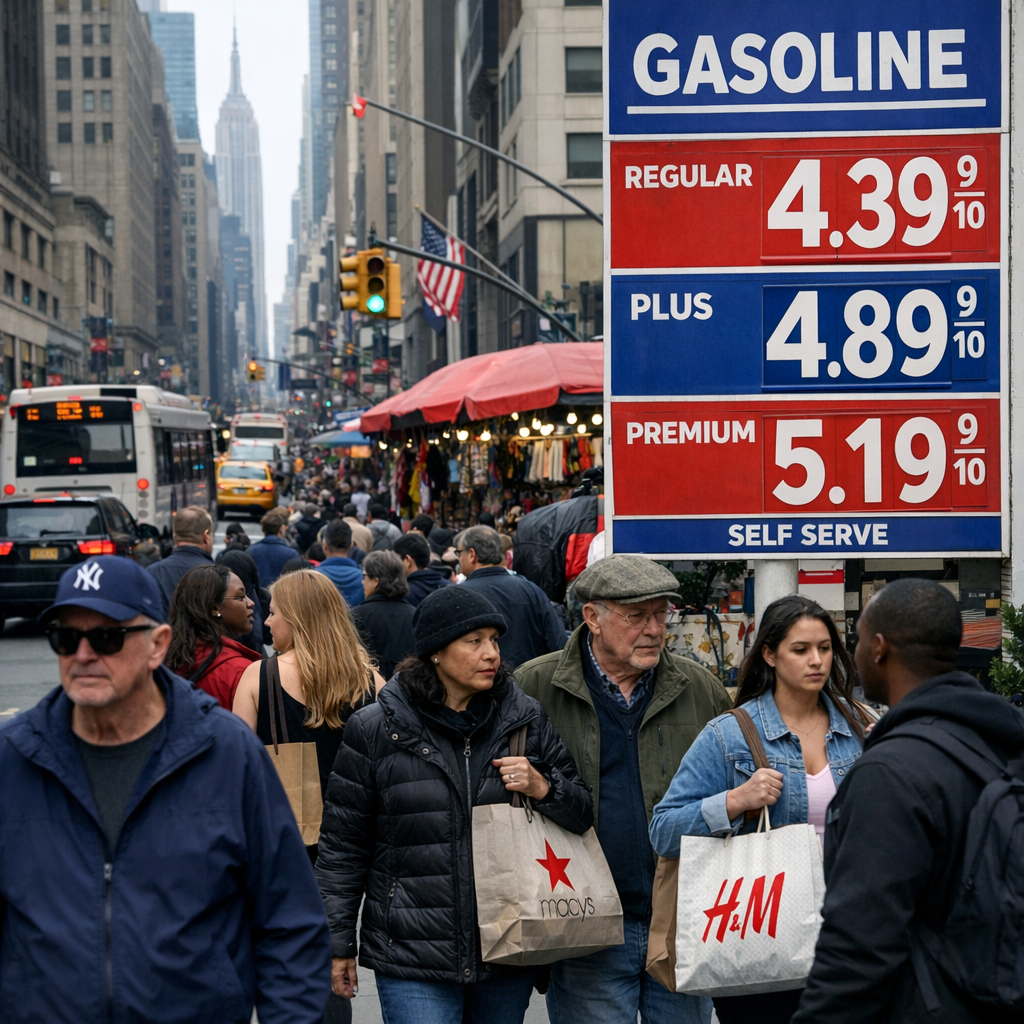
The United States economy is currently facing a complex set of challenges, including rising inflation, fluctuating energy prices, and geopolitical tensions. These factors are influencing both consumer behavior and policy decisions at the federal level.
Inflation and Consumer Impact
Inflation has become a pressing concern, with the consumer price index increasing by 2.8% in February compared to the previous year. This marks a slight decrease from January’s 3% rise, yet it remains above the Federal Reserve’s target of 2%. Core inflation, which excludes volatile food and energy prices, rose by 3.1% over the same period, indicating persistent underlying inflationary pressures. Notably, grocery prices have stabilized, offering some relief to consumers, although certain items like eggs have seen significant price hikes due to supply chain disruptions.
Energy Prices and Policy Measures
Energy costs are a significant component of the current economic landscape. President Donald Trump has emphasized increasing domestic oil and gas production as a strategy to lower energy prices and combat inflation. However, the effectiveness of these measures is still under evaluation, as global market dynamics and production capacities play crucial roles in determining energy costs.
Trade Policies and Economic Outlook
Trade policies are also under scrutiny. The Supreme Court recently struck down President Trump’s reciprocal tariffs, introducing new uncertainties for consumers and businesses. This decision has raised questions about the future direction of U.S. trade policy and its potential impact on the economy.
Political Implications
Economic conditions are influencing the political landscape as well. President Trump’s approval ratings have been affected by public perception of his economic management, with recent polls indicating a 70% disapproval rate regarding his handling of the economy. This sentiment is particularly relevant as the nation approaches midterm elections, where economic performance often plays a pivotal role in voter decisions.
In summary, the U.S. economy is navigating a period of significant challenges. Inflation, energy prices, trade policies, and political dynamics are all interwoven, creating a complex environment for policymakers and consumers alike. Staying informed and adaptable is essential as these factors continue to evolve.