
As the United States approaches the 2026 midterm elections, the nation faces a complex political and economic environment. Recent polls indicate a significant portion of the American public is dissatisfied with the current administration’s handling of economic policies. A CBS News/YouGov poll conducted in mid-May 2026 revealed that 70% of Americans feel “angry” or “frustrated” about President Donald Trump’s economic management. Only 11% expressed enthusiasm, and 19% reported satisfaction. Economic concerns have intensified following the military conflict with Iran, which began in February 2026, leading to increased energy costs and inflation.
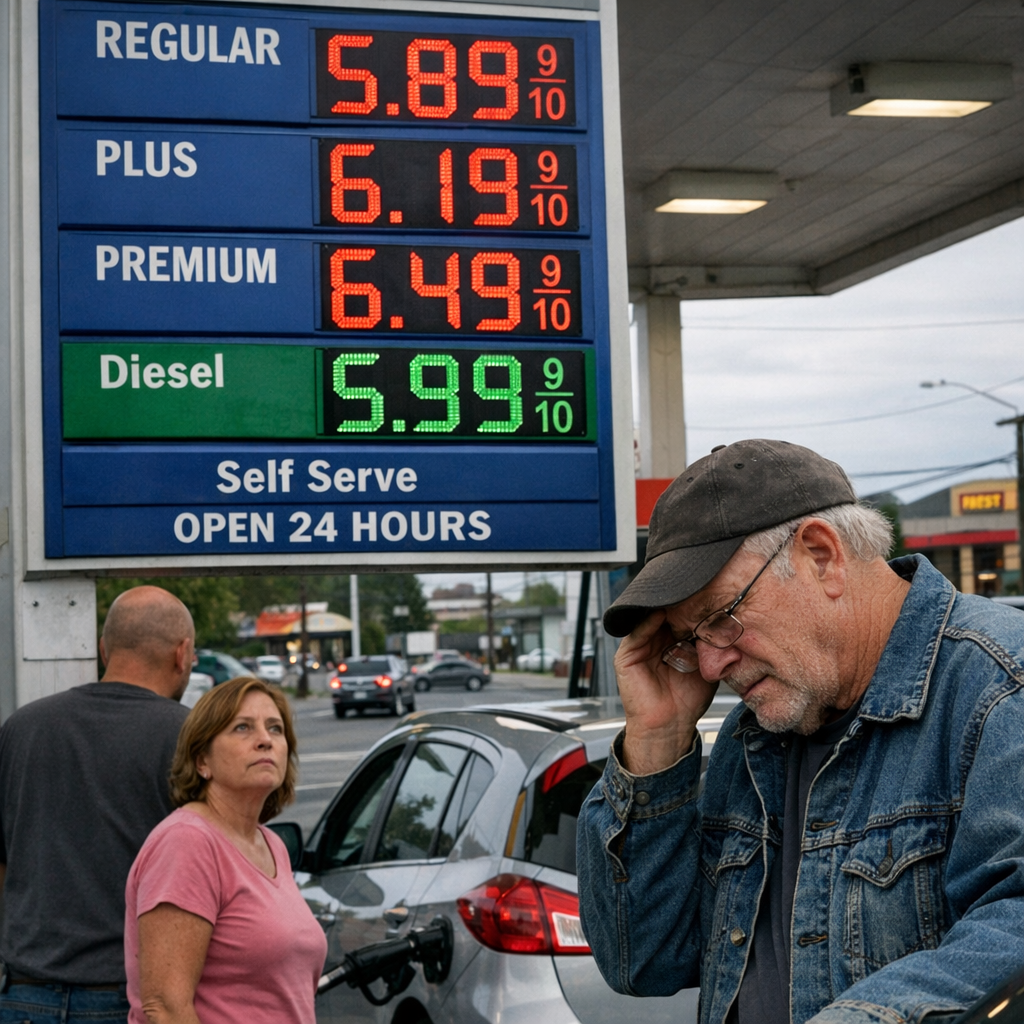
Economic indicators reflect these challenges. Inflation rose to 3.8% in April 2026, the highest in three years. Gasoline prices have surged, with the national average exceeding $4.50 per gallon, and some states experiencing prices above $5. This economic pressure has led to declining confidence in the administration’s policies, with 65% of poll respondents believing that current actions are worsening the economy in the short term, and 50% expressing concerns about long-term impacts.
In the political arena, redistricting efforts are underway in several states. For instance, North Carolina’s legislative Republicans have created a new GOP-leaning congressional district, consolidating their control despite near 50-50 statewide voting patterns. Such changes could influence the balance of power in the U.S. House of Representatives, especially as the midterm elections approach.
Additionally, the administration’s trade policies have faced legal challenges. In early 2026, the Supreme Court struck down President Trump’s broad tariff measures, injecting fresh uncertainty into the economic landscape. This decision has significant implications for consumers and businesses alike, as the administration’s trade war posture continues to affect financial markets.
As Minneapolis residents, it’s essential to stay informed about these national developments, as they have direct and indirect impacts on our local community. From fluctuating gas prices affecting daily commutes to potential shifts in political representation, understanding the broader context helps us navigate the challenges and opportunities ahead.