

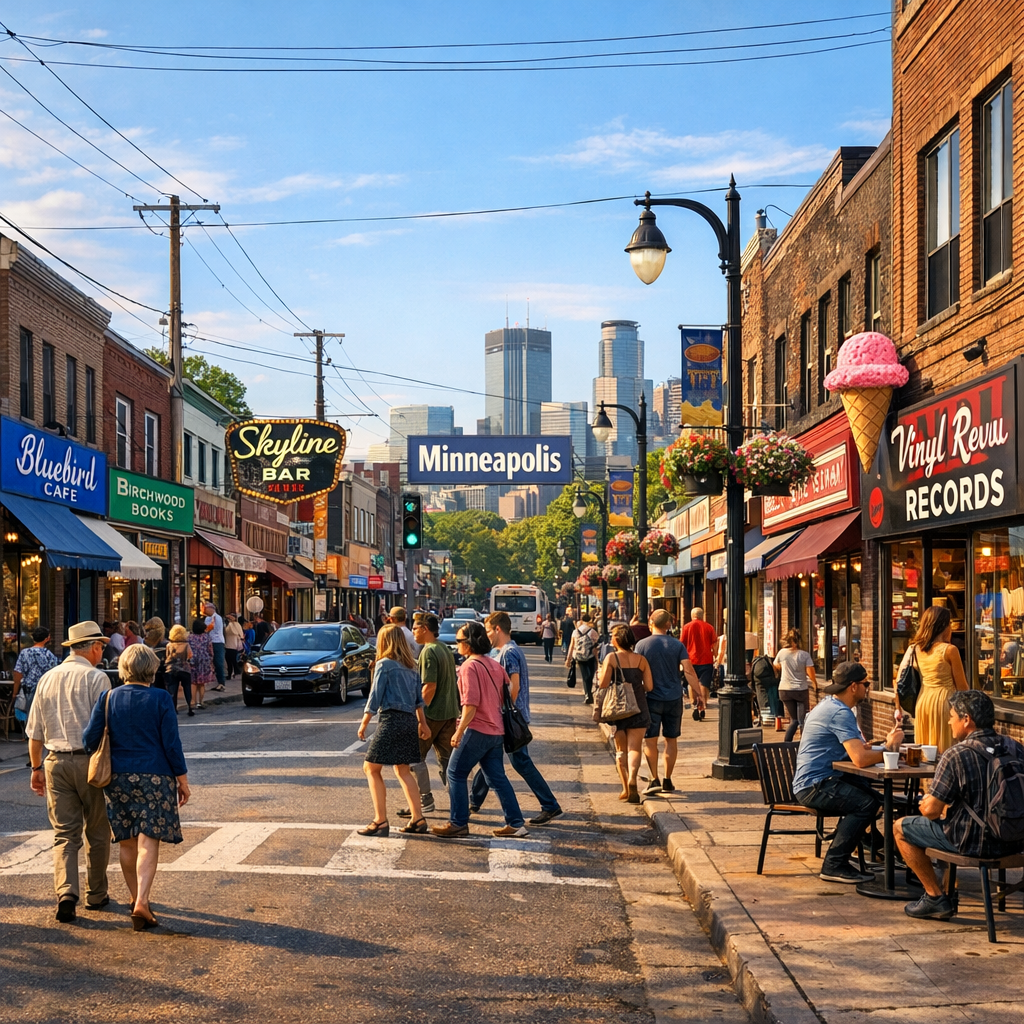
Minneapolis has long been a hub for entrepreneurial spirit, with small businesses forming the backbone of the city’s economy. However, recent economic fluctuations and unforeseen challenges have tested the resilience of these enterprises. In response, both the community and local organizations have stepped up to provide support and foster growth.
City Initiatives Bolstering Small Businesses
Recognizing the hardships faced by local businesses, the City of Minneapolis introduced the $7 million Small Business Resiliency Fund. This initiative aims to stabilize businesses by offering license fee relief, free event permits, consulting services, and marketing support. Additionally, grants are available for cultural mall operators to enhance visibility and foot traffic in commercial areas.
Support Programs for Entrepreneurs
Several organizations are dedicated to assisting entrepreneurs at various stages:
- NextStage: Offers customized support for planning, starting, and growing businesses, including assistance with business plans, licensing, and financial projections.
- Impact Hub Minneapolis-Saint Paul: Connects entrepreneurs to resources, knowledge, and community through shared workspace, training opportunities, and coaching.
- Business Technical Assistance Program (B-TAP): Provides no-cost consulting services to small businesses, focusing on areas like business planning, marketing, and financial management.
Emerging Trends in the Business Landscape
The Minneapolis business environment is witnessing notable shifts:
- Independent Retailers in Skyways: The downtown skyway system is experiencing a resurgence of independent retailers filling spaces previously occupied by national chains. Entrepreneurs like Keiona Cook have realized dreams of opening shops in prime locations, contributing to a more locally driven downtown economy.
- Suburban Food Halls: There’s a growing trend of food halls emerging in suburban areas, catering to changing consumer behaviors influenced by remote work. Venues like Asia Mall in Eden Prairie and Potluck at Rosedale Mall are attracting both lunchtime and evening visitors, reflecting a shift towards more compact food hall concepts outside major metropolitan centers.
Challenges and Resilience
Despite these positive developments, businesses continue to face challenges. A survey by the Federal Reserve Bank of Minneapolis indicated that nearly half of respondents reported declines in revenues, with many noting issues like declining customer demand and high costs. However, a higher share of businesses expected to increase their staff levels in the next six months, showcasing a cautious optimism.
In conclusion, while Minneapolis small businesses navigate a complex and evolving landscape, the combination of community support, city initiatives, and entrepreneurial adaptability positions them to overcome challenges and seize new opportunities.