

In recent months, Minneapolis has faced significant challenges due to Operation Metro Surge, a large-scale federal immigration enforcement initiative. This operation has had profound economic and social repercussions for the city and its residents.
Economic Impact
The city’s economy has suffered substantial losses. A preliminary assessment by city officials estimated that in just one month, the operation resulted in at least $203.1 million in economic impact. This includes $47 million in lost wages as individuals avoided work, $81 million in revenue losses for restaurants and small businesses, and $4.7 million in hotel cancellations extending through the summer. These figures underscore the widespread financial strain on local businesses and workers.
Social Consequences
Beyond the economic toll, the operation has deeply affected the social fabric of Minneapolis. Approximately 76,200 residents are experiencing food insecurity due to the operation, with an estimated weekly cost of $2.4 million to support citywide food needs. Additionally, 8,713 school-age children require mental health services as a result of the operation’s impact. The presence of federal agents has also led to increased fear and anxiety among immigrant communities, causing many to avoid public spaces and essential services.
Community Response
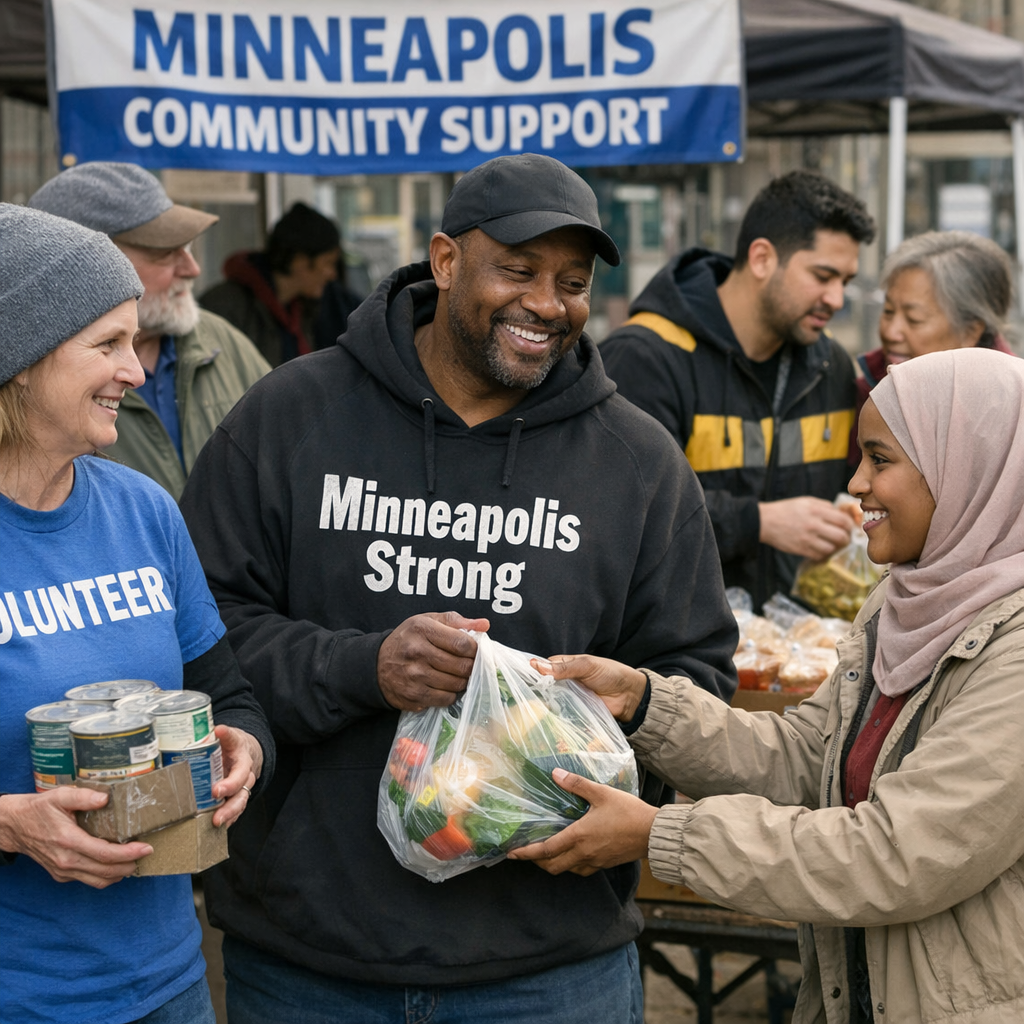
In response to these challenges, local organizations and residents have mobilized to support affected individuals and businesses. Initiatives such as community food drives, mental health support services, and campaigns encouraging patronage of local establishments have emerged. These efforts aim to mitigate the operation’s adverse effects and foster resilience within the community.
Looking Ahead
As Minneapolis continues to navigate the aftermath of Operation Metro Surge, it is crucial for residents to stay informed and engaged. Supporting local businesses, participating in community initiatives, and advocating for policies that promote inclusivity and support for all residents are essential steps toward recovery and strengthening the city’s social and economic fabric.