

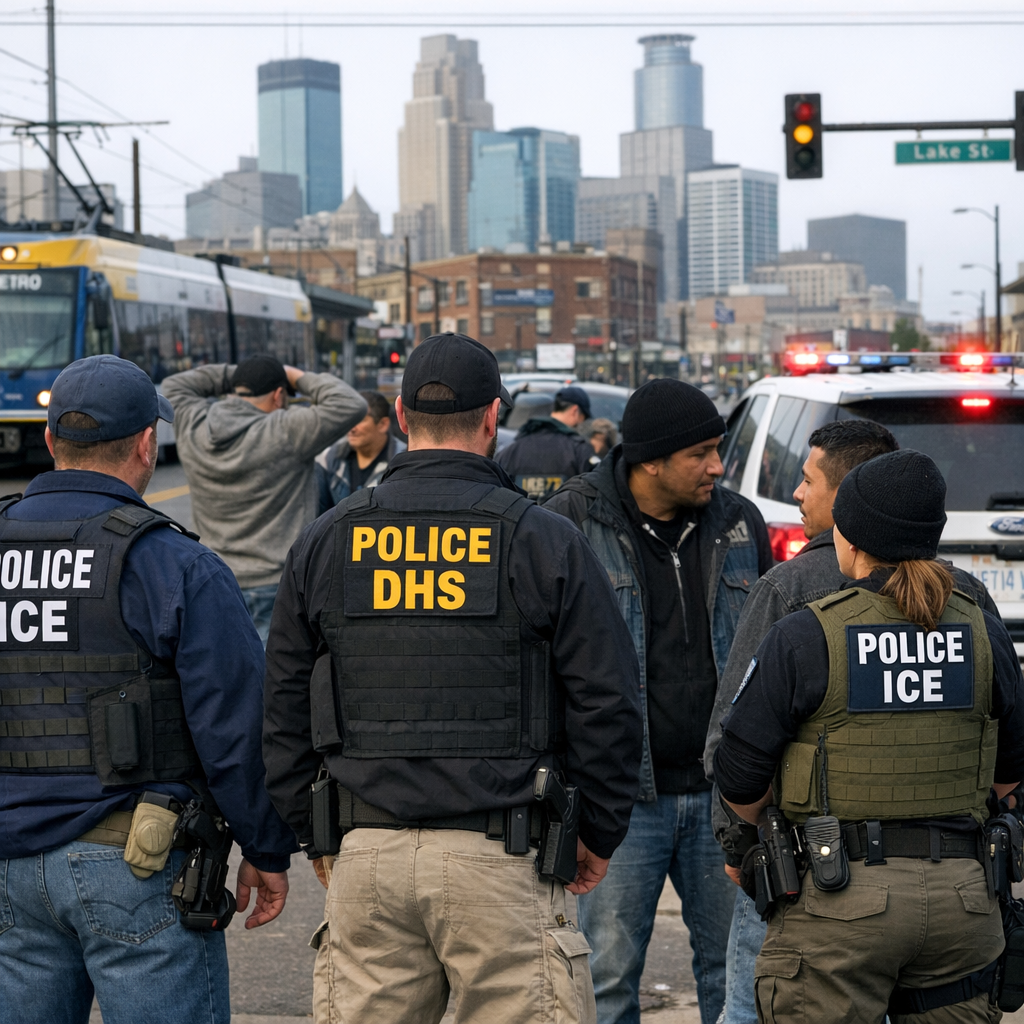
In recent months, Minneapolis has been at the center of a significant federal immigration enforcement initiative known as Operation Metro Surge. This operation, which began in December 2025, involved the deployment of thousands of federal agents to the Twin Cities area, aiming to intensify immigration enforcement efforts.
Economic Impact
The operation has had profound economic repercussions for Minneapolis. A preliminary city study estimated that the crackdown resulted in over $200 million in economic losses. Businesses across various sectors reported declines in customer traffic, cancellations, and reduced sales. Notably, the hospitality and events industries faced significant challenges, with numerous events being postponed or canceled due to safety concerns and decreased attendance.
Community Response
The presence of federal agents and the enforcement actions taken during Operation Metro Surge have deeply affected the local community. Reports indicate that many residents experienced heightened fear and anxiety, leading to changes in daily routines and a reluctance to engage in public activities. Community organizations and local leaders have expressed concerns about the long-term social and psychological impacts on residents, particularly within immigrant communities.
Impact on Events Industry
The events industry in Minneapolis has been notably disrupted. For instance, Quality Bicycle Products canceled its annual Frostbike trade show, citing concerns related to the ongoing federal enforcement activities. Such cancellations have not only led to financial losses but have also affected the city’s reputation as a welcoming destination for conventions and gatherings.
Moving Forward
As Operation Metro Surge concludes, Minneapolis faces the challenge of rebuilding trust within the community and revitalizing its economy. Efforts are underway to support affected businesses and residents, with local authorities emphasizing the city’s commitment to inclusivity and resilience. The experiences during this period underscore the importance of community solidarity and the need for policies that consider the well-being of all residents.