
Recent developments in national policy and international relations have led to significant economic challenges for Americans, including rising inflation and increased living costs.
Escalating Inflation Rates
In April 2026, the U.S. consumer inflation rate rose to 3.8%, with projections indicating it could reach 4.2% in May. This surge is attributed to factors such as the ongoing conflict in Iran, elevated oil prices, and recent tariff policies. These inflation rates are outpacing wage growth, leading to financial strain for many households.
Public Dissatisfaction with Economic Policies
A CBS News/YouGov poll conducted in mid-May 2026 revealed that 70% of Americans feel “angry” or “frustrated” with the current administration’s handling of the economy. Only 11% expressed enthusiasm, and 19% reported satisfaction. The poll also indicated that 65% of respondents believe recent policies are worsening the economy in the short term, with 50% concerned about long-term impacts.
Impact of International Conflicts
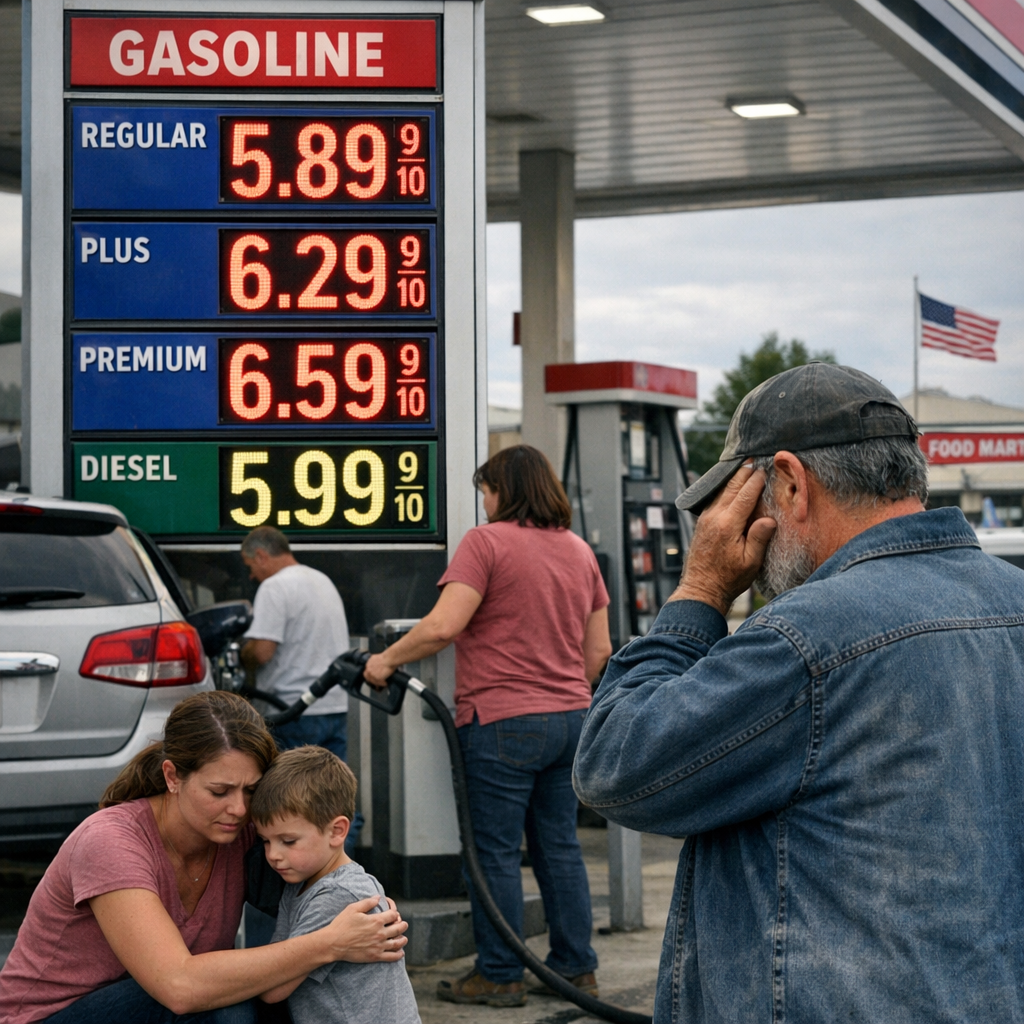
The military conflict with Iran, initiated in February 2026, has significantly affected energy costs. The closure of the Strait of Hormuz has led to a surge in gas prices, with national averages exceeding $4.50 per gallon and some states experiencing prices above $5. This increase contributes to the overall inflationary pressure on the economy.
Policy Decisions and Economic Outlook
Recent policy decisions, including the implementation of tariffs and changes in environmental regulations, have further influenced the economic landscape. The Environmental Protection Agency’s proposal to delay enforcement of vehicle pollution regulations has sparked debate over its potential economic and environmental impacts.
As the nation approaches the midterm elections, economic concerns are at the forefront of public discourse. The administration faces mounting pressure to address these issues and implement strategies to stabilize the economy and alleviate the financial burdens on American households.