

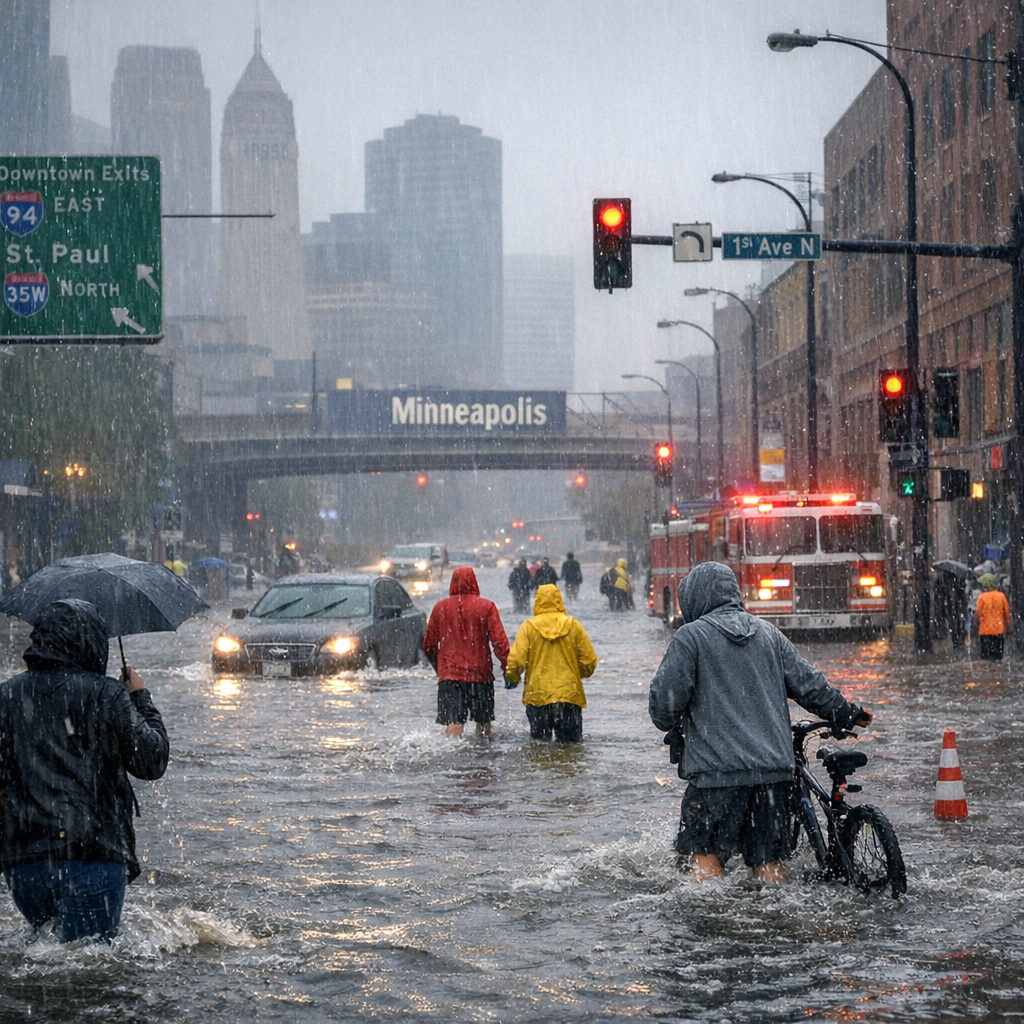
Minneapolis, known for its vibrant culture and picturesque lakes, is experiencing significant shifts due to climate change. These changes pose challenges to our infrastructure, natural ecosystems, and community well-being. Understanding these impacts and the city’s adaptation strategies is crucial for fostering a resilient future.
Climate Change Impacts in Minneapolis
Recent data indicates that Minneapolis has warmed by approximately 4.4°F since 1970, with winter temperatures increasing by 5.3°F—more than twice the national average. This warming trend has led to:
- Increased Precipitation: The city has seen a 4.9-inch rise in annual precipitation, resulting in heavier rainfall events that challenge stormwater management systems.
- Extreme Weather Events: More frequent and intense storms, including heavy rainfall and flooding, have become common, impacting infrastructure and public safety.
- Health Concerns: Warmer temperatures contribute to longer allergy seasons and increased heat-related illnesses, particularly affecting vulnerable populations.
City’s Adaptation Strategies
Recognizing these challenges, Minneapolis has implemented several initiatives to adapt to climate change:
Climate Equity Plan
Adopted in July 2023, the Climate Equity Plan aims to significantly reduce climate pollution by 2030 and achieve carbon neutrality by 2050. The plan emphasizes:
- Partnering with diverse communities to improve racial equity.
- Reducing utility bills and increasing green job opportunities.
- Creating a healthier, more prosperous future for all residents.
Transportation Action Plan
To address emissions from on-road transportation, which account for approximately 24% of the city’s greenhouse gas emissions, Minneapolis has set goals to:
- Reduce automobile passenger miles by 38% by 2050.
- Enhance options for transit, walking, and bicycling.
- Rapidly electrify vehicle fleets.
Climate Resilient Communities Policy
This policy focuses on ensuring city infrastructure and residents are resilient to climate change by:
- Developing stormwater infrastructure capable of handling larger storm events.
- Expanding the urban tree canopy to provide shade and passive cooling.
- Enhancing social support systems to strengthen community resilience.
Community Involvement
Residents play a vital role in the city’s adaptation efforts. Community members are encouraged to:
- Participate in public meetings and provide input on climate initiatives.
- Adopt sustainable practices, such as energy conservation and waste reduction.
- Support local policies aimed at mitigating climate change impacts.
By understanding the local impacts of climate change and actively participating in adaptation strategies, Minneapolis residents can contribute to building a more resilient and sustainable community.