

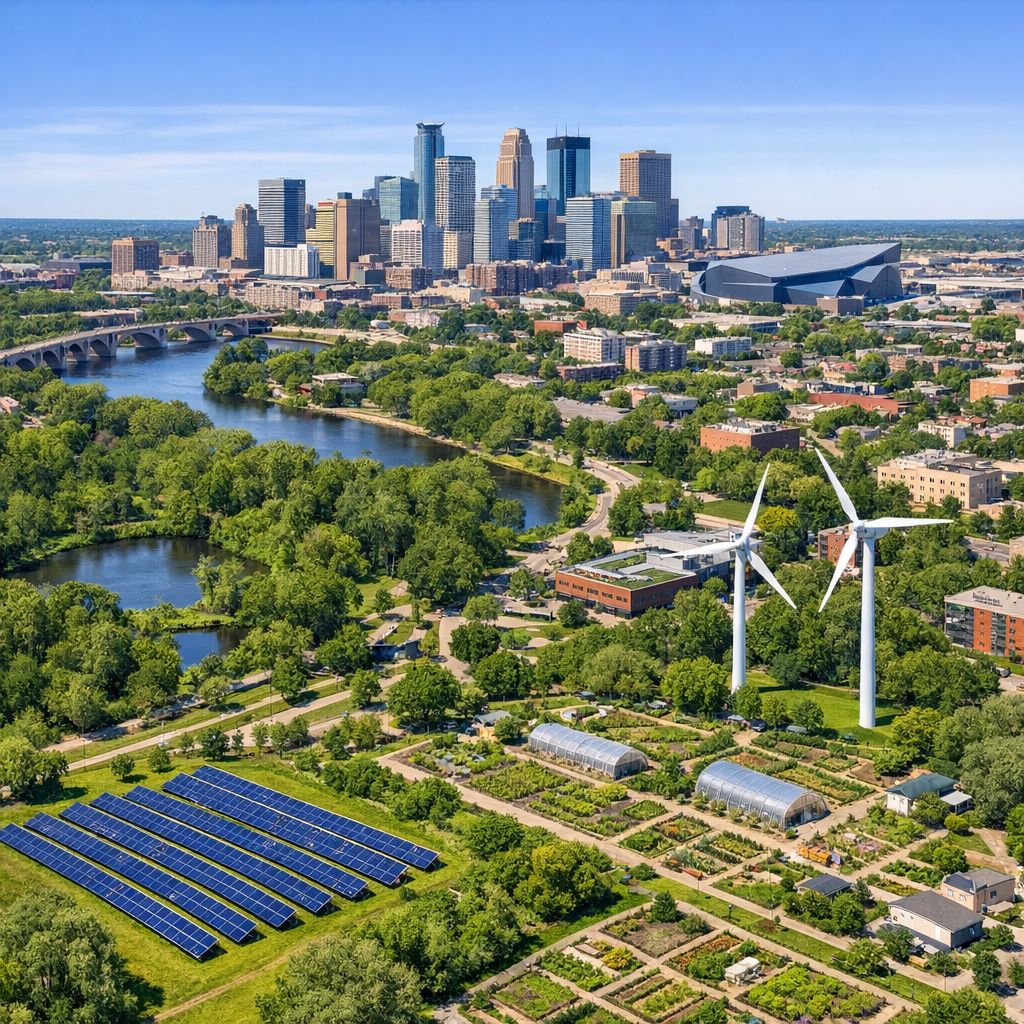
Climate change is no longer a distant concern; its effects are increasingly evident in Minneapolis. The city has experienced a significant warming trend, with average temperatures rising by nearly 3°F in recent decades. This warming has led to more frequent and intense heatwaves, posing health risks, especially to vulnerable populations.
Increased Precipitation and Flooding
Alongside rising temperatures, Minneapolis has seen a notable increase in precipitation. Since 2000, the city has experienced a significant uptick in devastating rainstorms, leading to challenges such as overwhelmed stormwater systems and increased flooding risks. These changes threaten infrastructure, homes, and the well-being of residents.
Impact on Natural Ecosystems
Warmer temperatures and altered precipitation patterns are also affecting local ecosystems. Warmer waters are stressing Minnesota’s iconic lakes and diverse fisheries, impacting recreational activities and the local economy. Additionally, the changing climate poses challenges to agriculture, with farmers facing new obstacles in crop and livestock production.
City Initiatives for Climate Resilience
In response to these challenges, Minneapolis has implemented several initiatives aimed at building climate resilience. The Climate Equity Plan, adopted in 2023, sets ambitious goals to significantly reduce climate pollution by 2030 and achieve carbon neutrality by 2050. This plan emphasizes environmental justice, aiming to reduce utility bills, increase green jobs, and create a healthier future for all residents.
Furthermore, the Climate Legacy Initiative, launched in 2024, allocates resources toward projects in communities most affected by climate change. These efforts include expanding the urban tree canopy, investing in renewable energy, and enhancing stormwater infrastructure to manage increased rainfall.
Community Involvement
Building a resilient Minneapolis requires collective action. Residents can participate by adopting energy-efficient practices, supporting local renewable energy projects, and staying informed about city initiatives. Community engagement is crucial in shaping a sustainable and equitable future for Minneapolis.
Understanding the local impacts of climate change and supporting city-led initiatives are essential steps toward ensuring that Minneapolis remains a vibrant and resilient city for generations to come.