

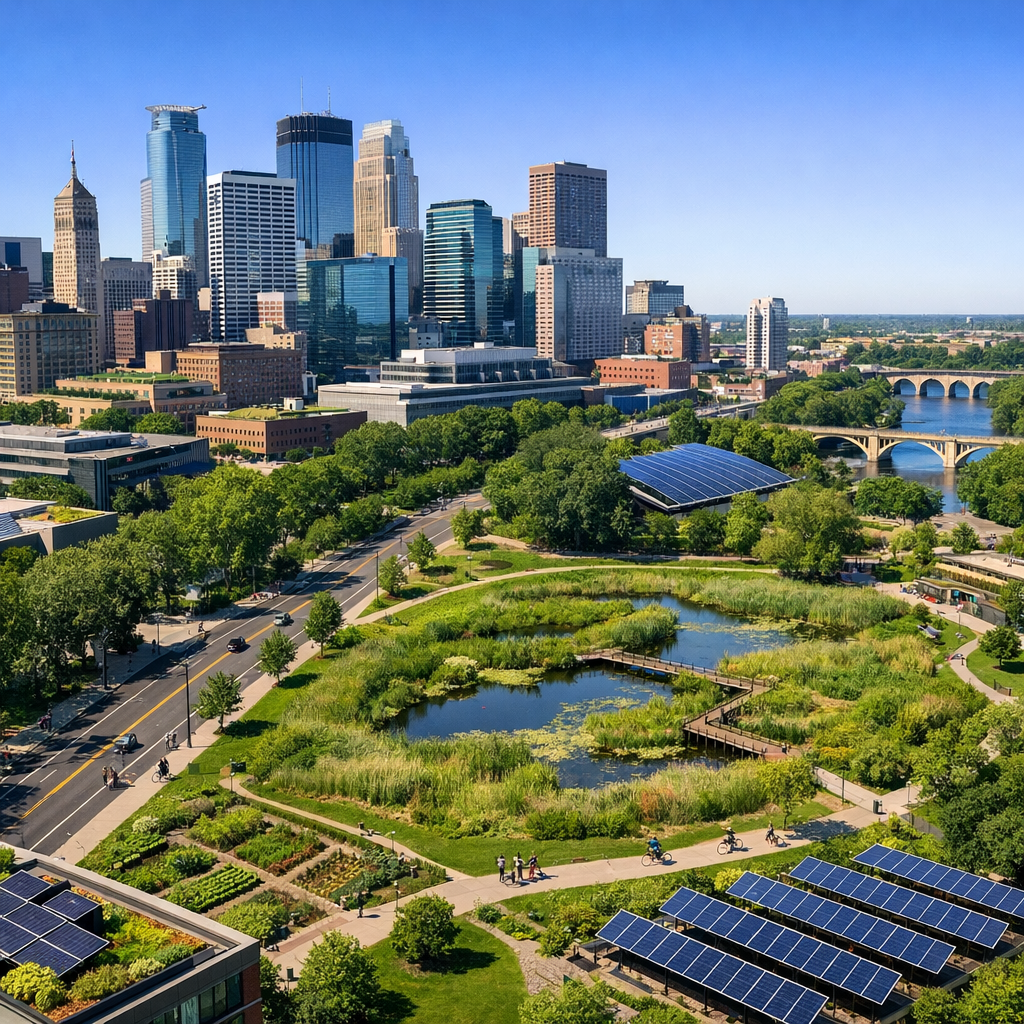
Climate change is no longer a distant concern; its effects are increasingly evident in Minneapolis. The city has experienced notable shifts in temperature and precipitation patterns, leading to various environmental and societal challenges.
Rising Temperatures and Altered Precipitation
Minneapolis has seen a significant increase in average temperatures, with winter temperatures rising by approximately 5.3°F since 1970. This warming trend contributes to earlier snowmelt and more intense rainfall events, which can overwhelm stormwater systems and increase the risk of flooding.
Health and Environmental Impacts
The changing climate poses health risks, particularly for vulnerable populations. Increased heat events can exacerbate respiratory and cardiovascular conditions. Additionally, warmer temperatures affect local ecosystems, leading to shifts in wildlife populations and stressing native plant species.
City Initiatives and Community Involvement
In response to these challenges, Minneapolis has implemented several initiatives aimed at mitigating climate change impacts. The Climate Equity Plan, adopted in 2023, sets ambitious goals to reduce greenhouse gas emissions and promote environmental justice. The plan emphasizes community engagement, especially in historically marginalized neighborhoods, to ensure equitable access to resources and decision-making processes.
Residents are encouraged to participate in local programs such as tree planting, energy efficiency workshops, and sustainable transportation options. These collective efforts contribute to building a more resilient and sustainable Minneapolis.
Understanding the local impacts of climate change is crucial for developing effective strategies to protect our community and environment. By staying informed and involved, we can work together to address these challenges and create a healthier future for all Minneapolis residents.