

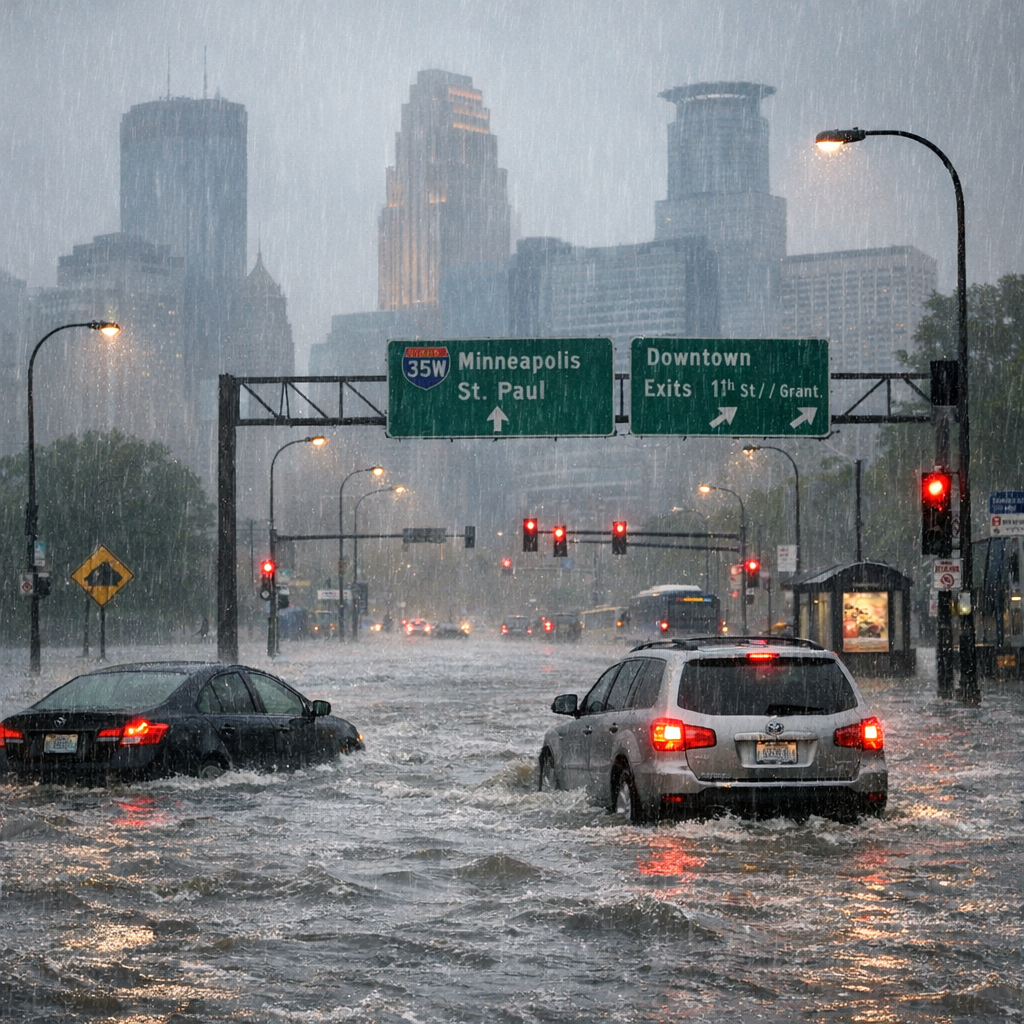
Climate change is no longer a distant concern; its effects are increasingly evident in Minneapolis. The city has experienced notable shifts in weather patterns, including warmer winters and more intense rainfall events. These changes pose challenges to infrastructure, public health, and the local economy.
Rising Temperatures and Altered Precipitation
Minneapolis has observed a significant increase in average temperatures, particularly during winter months. This warming trend contributes to earlier snowmelt and more frequent freeze-thaw cycles, which can damage roads and buildings. Additionally, the city faces heavier and more frequent rainstorms, leading to increased stormwater runoff and a higher risk of flooding.
Impacts on Infrastructure and Natural Resources
The combination of rising temperatures and altered precipitation patterns strains Minneapolis’s infrastructure. Stormwater systems, designed for past climate conditions, may struggle to handle the volume from intense rain events, resulting in urban flooding. Natural resources, such as local lakes and rivers, are also affected. Warmer water temperatures can lead to decreased oxygen levels, threatening aquatic life and impacting recreational activities.
City Initiatives for Climate Resilience
Recognizing these challenges, Minneapolis has implemented several initiatives to enhance climate resilience. The Climate Equity Plan, adopted in 2023, sets ambitious goals to reduce greenhouse gas emissions and achieve carbon neutrality by 2050. This plan emphasizes environmental justice, aiming to support communities most vulnerable to climate impacts.
Furthermore, the city launched the Climate Legacy Initiative in 2024, allocating resources to projects that promote sustainability and resilience. Efforts include expanding green infrastructure, such as increasing the urban tree canopy to provide shade and reduce the urban heat island effect, and investing in renewable energy sources to decrease reliance on fossil fuels.
Community Engagement and Adaptation
Community involvement is crucial in addressing climate change. Minneapolis encourages residents to participate in sustainability programs, adopt energy-efficient practices, and support local initiatives aimed at reducing environmental impact. By fostering a collaborative approach, the city aims to build a more resilient and sustainable future for all its residents.
Understanding the local impacts of climate change and supporting proactive measures are essential steps toward safeguarding Minneapolis’s environment and quality of life for future generations.