

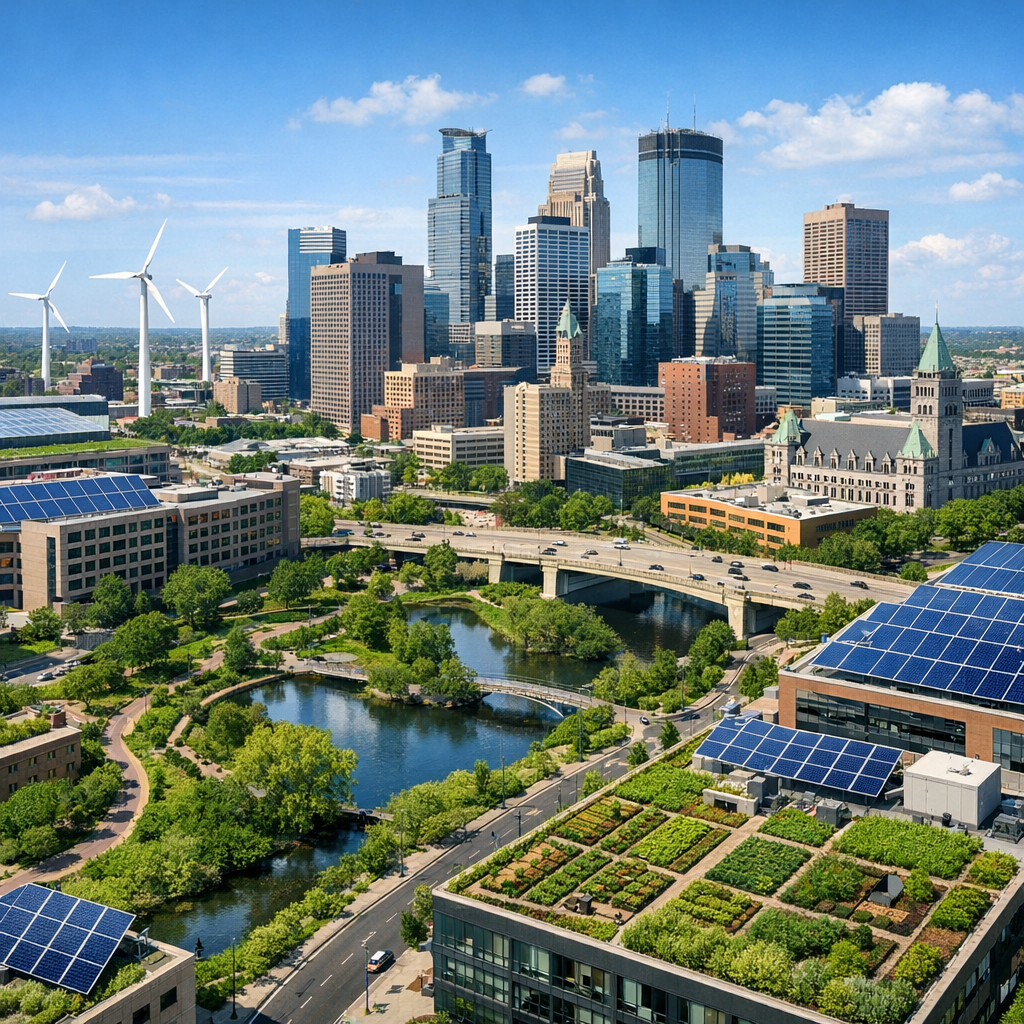
Climate change is no longer a distant concern; its effects are increasingly evident in Minneapolis. The city has experienced notable shifts in weather patterns, including warmer winters and more intense rainfall events. These changes pose challenges to our infrastructure, natural ecosystems, and public health.
Rising Temperatures and Altered Precipitation
Minneapolis has observed a significant increase in average temperatures, with winter temperatures rising by over 5°F since 1970. This warming trend contributes to earlier snowmelt and more frequent heavy rainfall events, leading to increased stormwater runoff and potential flooding. Such conditions strain our stormwater infrastructure and can degrade water quality in our lakes and rivers.
Impacts on Public Health and Ecosystems
Warmer temperatures and altered precipitation patterns affect public health by increasing the prevalence of heat-related illnesses and vector-borne diseases. Additionally, our local ecosystems face stress, with warmer waters impacting fish populations and changing habitats for wildlife.
City Initiatives and Community Involvement
In response, Minneapolis has implemented several initiatives aimed at mitigating and adapting to climate change. The Climate Equity Plan sets ambitious goals to reduce greenhouse gas emissions and achieve carbon neutrality by 2050. Efforts include expanding renewable energy use, enhancing green infrastructure, and promoting sustainable transportation options.
Community involvement is crucial in these efforts. Residents can participate by adopting energy-efficient practices, supporting local sustainability programs, and staying informed about climate resilience strategies. Together, we can work towards a more sustainable and resilient Minneapolis.