

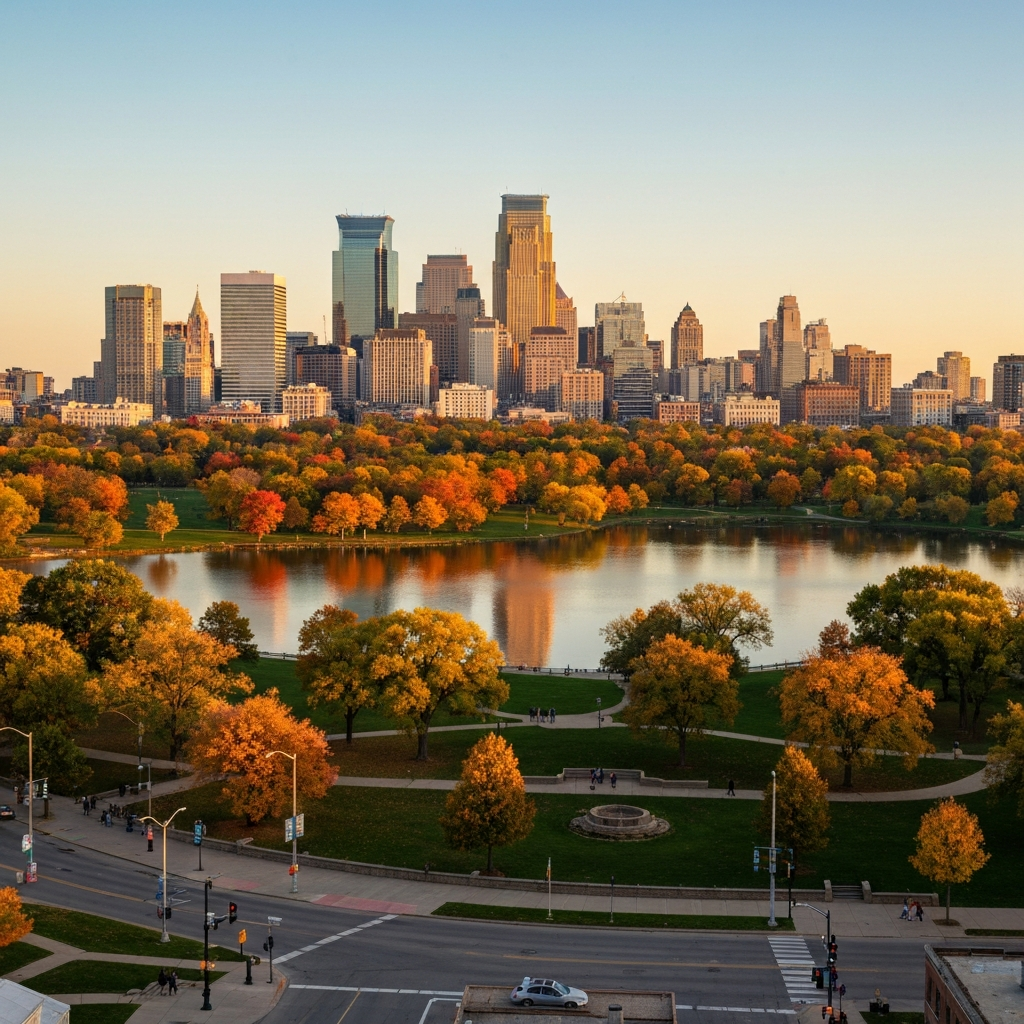
Minneapolis experiences a diverse range of weather conditions throughout the year, characterized by four distinct seasons. This variability offers residents and visitors a unique experience each season, but also presents challenges, especially as climate patterns evolve.
Winter: Late November to Mid-March
Winters in Minneapolis are notably cold, with temperatures often remaining below freezing for extended periods. January typically stands as the coldest month, with average highs around 23°F (-5°C) and lows near 7°F (-14°C). Snowfall is common, contributing to the city’s picturesque winter landscape. However, the season’s severity can pose challenges for transportation and daily activities.
Spring: Mid-March to May
Spring brings a gradual warming trend, with temperatures rising from the 30s°F (0-5°C) in March to the 60s°F (15-20°C) by May. This season is marked by melting snow, budding flora, and increased rainfall, rejuvenating the city’s natural beauty.
Summer: June to August
Summers are warm and humid, with average highs in the mid-80s°F (29-30°C). This season is ideal for outdoor activities, with numerous lakes and parks offering recreational opportunities. However, occasional heatwaves and thunderstorms can occur, requiring residents to stay informed about weather conditions.
Fall: September to Late November
Autumn is characterized by cooler temperatures and vibrant foliage. September sees highs in the 70s°F (21-26°C), gradually decreasing to the 40s°F (4-9°C) by November. This season is often considered one of the most beautiful times in Minneapolis, with crisp air and colorful landscapes.
Impact of Climate Change
Recent data indicates that Minnesota’s climate is becoming warmer and wetter. The state has experienced an increase in average temperatures, particularly during winter months, and a rise in the frequency and intensity of heavy rainfall events. These changes can lead to challenges such as flooding, infrastructure strain, and shifts in local ecosystems. The Minnesota Pollution Control Agency notes that these climate shifts are already impacting communities across the state, affecting everything from agriculture to public health. Learn more about climate change impacts in Minnesota.
Understanding these seasonal patterns and the broader climatic trends is essential for residents to adapt and prepare for the changing environment. Staying informed and proactive can help mitigate the challenges posed by these shifts.