

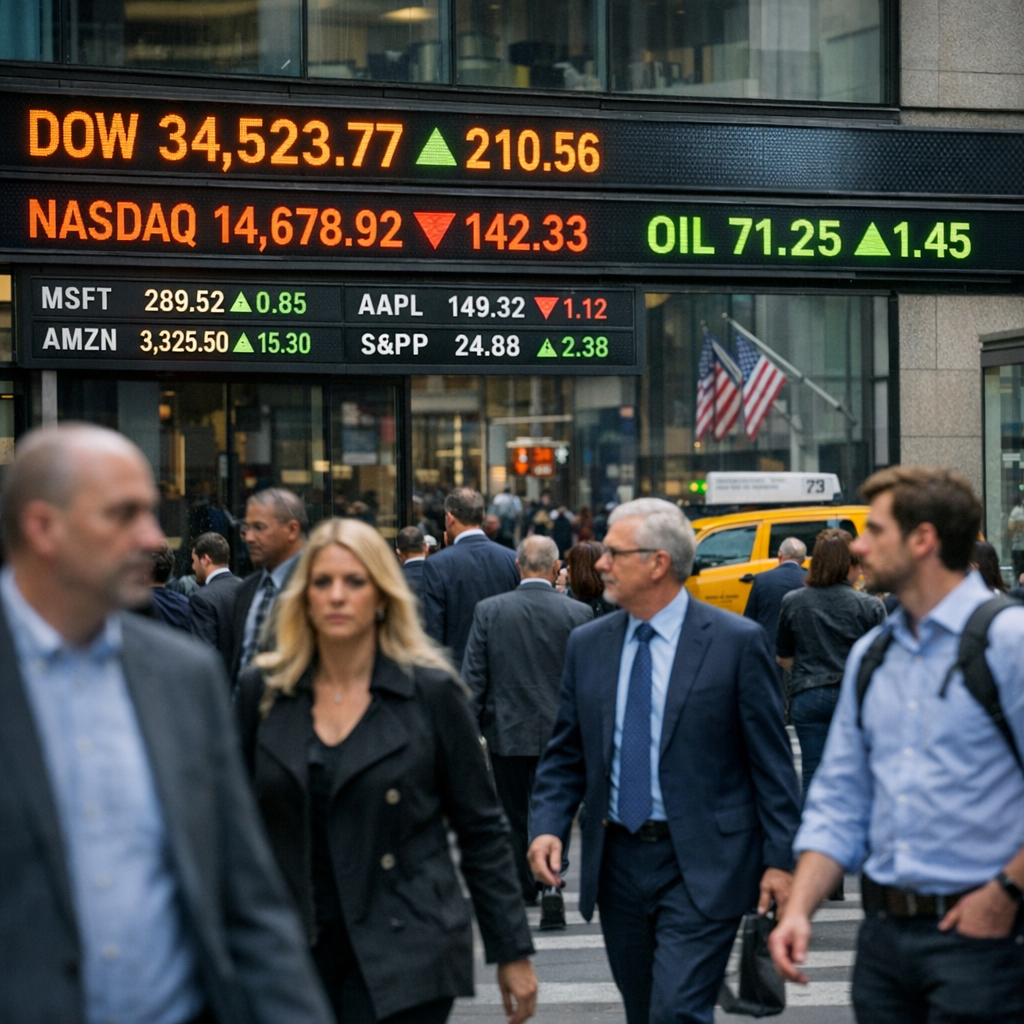
The U.S. economy is a complex and dynamic system influenced by various factors, including consumer behavior, government policies, and global events. Understanding its current state requires examining key economic indicators and recent trends.
Gross Domestic Product (GDP)
Gross Domestic Product (GDP) measures the total value of goods and services produced within a country. In the first quarter of 2026, the U.S. economy grew at an annualized rate of 2%, rebounding from a 0.5% increase in the previous quarter. This growth was supported by increased federal spending and robust investment in sectors like artificial intelligence.
Employment and Unemployment
The labor market is a critical component of economic health. As of April 2026, the unemployment rate stood at 4.3%, reflecting a stable job market. However, job creation has shown variability, with payroll employment increasing by 115,000 jobs in April, following a gain of 185,000 in March.
Inflation and Consumer Prices
Inflation affects purchasing power and cost of living. In March 2026, the Consumer Price Index (CPI) rose by 0.9%, influenced by an energy shock stemming from geopolitical tensions. This increase has raised concerns among policymakers about potential impacts on consumers and the broader economy.
Consumer Spending
Consumer spending drives a significant portion of economic activity. In the first quarter of 2026, personal consumption expenditures increased by 1.6%, indicating cautious consumer behavior amid rising prices and economic uncertainties.
Business Investment
Business investment reflects confidence in the economy’s future. The first quarter of 2026 saw an 8.7% surge in business investment, particularly in the artificial intelligence sector, highlighting the growing importance of technology in economic growth.
Conclusion
The U.S. economy exhibits resilience with steady growth and investment in emerging sectors. However, challenges such as inflation and geopolitical uncertainties necessitate careful monitoring and adaptive policies to sustain economic stability.