

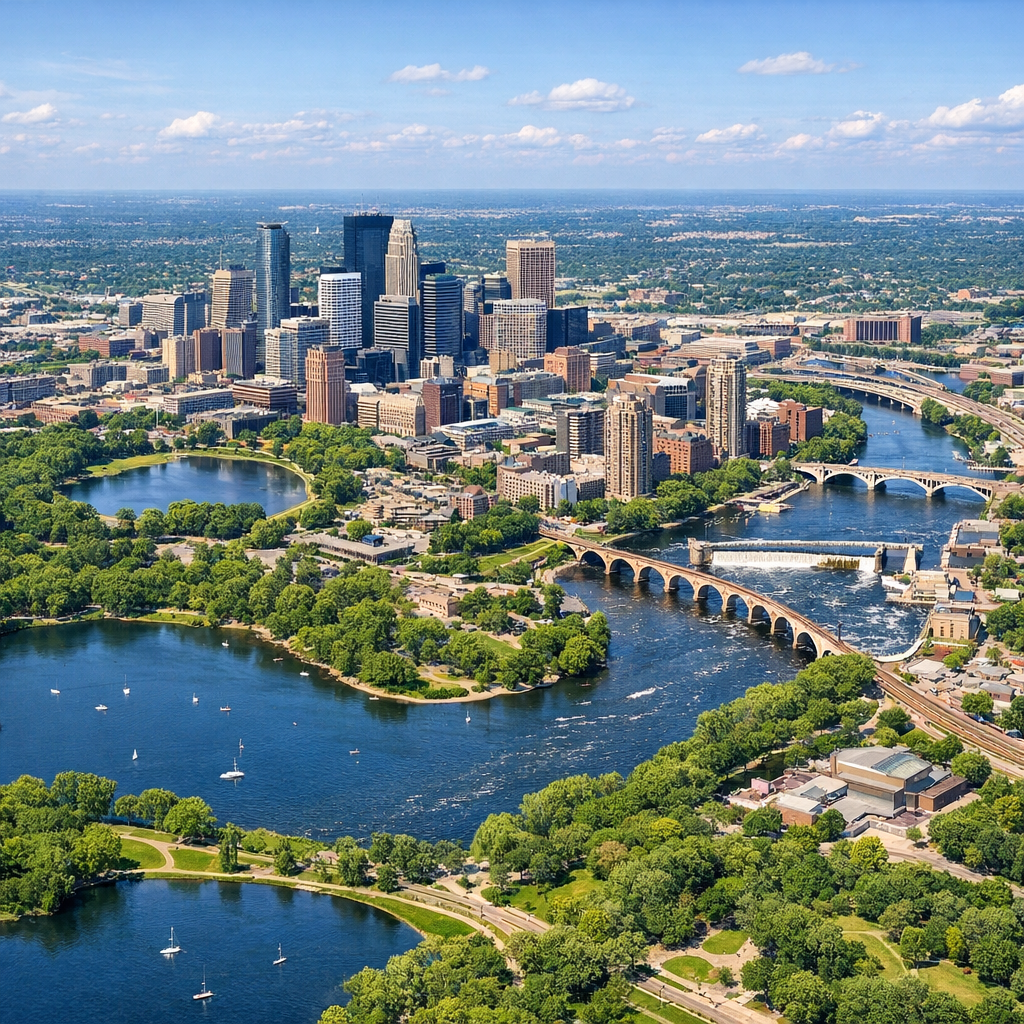
As Minneapolis continues to grow and develop, residents may notice that the city feels warmer than surrounding rural areas. This phenomenon, known as the Urban Heat Island (UHI) effect, occurs when urban environments experience higher temperatures due to human activities and infrastructure.
What Causes the Urban Heat Island Effect?
The UHI effect is primarily caused by the replacement of natural landscapes with materials like asphalt and concrete, which absorb and retain heat more than vegetation. Additionally, buildings and roads can trap heat, and human activities such as transportation and industrial processes release heat into the environment. These factors contribute to higher temperatures in urban areas compared to their rural counterparts.
Impacts on Minneapolis
In Minneapolis, the UHI effect can lead to increased energy consumption for cooling, elevated air pollution levels, and heightened health risks, especially during heatwaves. Vulnerable populations, including the elderly and those with pre-existing health conditions, are particularly at risk. Moreover, the UHI effect can exacerbate existing environmental challenges, such as poor air quality and strained water resources.
Mitigation Efforts
To address the UHI effect, Minneapolis has implemented several strategies:
- Increasing Green Spaces: Planting trees and creating parks can provide shade and promote evaporative cooling, helping to lower urban temperatures.
- Cool Roofs and Pavements: Using reflective materials for roofs and pavements can reduce heat absorption.
- Urban Planning: Designing buildings and streets to enhance airflow can help dissipate heat.
Community involvement is crucial in these efforts. Residents can participate by planting trees, supporting green infrastructure projects, and advocating for policies that promote sustainable urban development.
Looking Ahead
As climate change continues to influence weather patterns, the UHI effect may become more pronounced. Ongoing research and community engagement are essential to develop effective strategies to mitigate its impacts. By understanding and addressing the UHI effect, Minneapolis can work towards a more sustainable and comfortable urban environment for all residents.